

Ever wondered how you can get your hands on those elusive cucumber seeds? Picture this: you’re all set to start your garden, but the missing piece of the puzzle is those precious seeds. Where do you even begin looking?
In this article, you’ll uncover the secrets to obtaining cucumber seeds effortlessly. From understanding the different seed sources to practical tips on harvesting and storing them, you’re in for a treat. By the end, you’ll be equipped with the knowledge to kickstart your cucumber-growing journey successfully. Ready to dive in and unlock the world of cucumber seeds?
Understanding different sources of cucumber seeds
When it comes to obtaining cucumber seeds, there are various sources you can explore, ensuring you find the perfect seeds for your garden. Here are some common places where you can get cucumber seeds:
- Local Nurseries: Visit your nearest nursery to find a wide selection of cucumber seed varieties suited for your local climate.
- Seed Exchanges: Participate in seed exchange programs within your community to acquire unique and locally-adapted cucumber seeds.
- Online Retailers: Explore online platforms that offer a vast array of cucumber seed options, often providing detailed descriptions to help you make an informed choice.
Remember, choosing the right source for your cucumber seeds is key to kickstarting your gardening journey successfully.
Buying cucumber seeds from seed suppliers
When it comes to purchasing cucumber seeds from seed suppliers, there are a few things you should keep in mind to ensure you get the best seeds for your gardening needs.
- Variety: Seed suppliers often offer a wide variety of cucumber seeds, from traditional to exotic options, giving you the chance to experiment with different flavors and textures.
- Quality: Buying from reputable seed suppliers typically guarantees quality seeds that are more likely to germinate successfully, leading to a bountiful harvest.
- Specialty Seeds: Some seed suppliers specialize in unique or heirloom cucumber varieties that you may not find elsewhere, allowing you to add a distinct touch to your garden.
- Bulk Purchases: If you’re planning a large cucumber crop, buying seeds in bulk from seed suppliers can be a cost-effective option, especially when compared to individual seed packets.
- Expert Advice: Seed suppliers are often staffed with knowledgeable employees who can provide expert advice on seed selection, planting techniques, and caring for your cucumber plants.
- Guarantees: Many seed suppliers offer guarantees on their seeds, providing you with peace of mind knowing that you can get replacements if your seeds don’t perform as expected.
Whether you’re a seasoned gardener or new to planting cucumbers, exploring seed suppliers can open up a world of possibilities for your next gardening venture.
Recommended Products
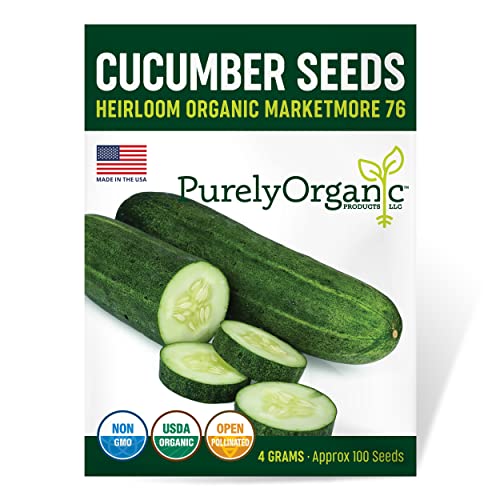
Cucumis Sativus: These finest quality, non-GMO, USDA Organic Marketmore Cucumber seeds produce hefty dark green, smooth fruits 8-9 inches long with a sweet and mild flavor ideal for slicing, salads, sandwiches and soups.

Cucumber Seeds - Armenian Cucumber seeds will grow a behemoth fruit that measures about 1 yard long. The fruits are often harvested around 12 to 18 inches long however.

Fast Harvest: Armenian cucumber seeds for planting mature in about 65 days and produce long white slicers, best picked at 12-18" for sweet, crisp texture.
Saving seeds from your own cucumbers
Once you’ve grown your delicious cucumbers, consider saving seeds for future plantings. It’s a cost-effective way to sustain your cucumber supply. Here’s how:
- Choose a Ripe Cucumber: Select a mature, fully grown cucumber from your harvest.
- Extract Seeds: Scoop out the seeds from the cucumber’s center and place them in a strainer.
- Rinse and Dry: Rinse the seeds under running water, removing any cucumber residue. Next, spread them out to dry for a few days in a cool, dry place.
- Store Properly: Once completely dry, store the seeds in a cool, dark, and dry location in an airtight container.
By saving seeds from your own cucumbers, you have a sustainable source for future plantings and can enjoy a continuous supply of homegrown produce.
| Key Point | Value |
|---|---|
| Cost Savings | Save money by reusing your own cucumber seeds. |
| Sustainability | Create a self-sustaining cycle in your garden. |
| Quality Control | Ensure the quality of your future cucumber crops. |
Recommended Products

Large Capacity & Durable Design - With 4 layers and a load capacity of 2.2 lbs per layer, this herb drying rack is perfect for drying herbs, flowers, tea, fruits, and vegetables. Made from high-quality polyester with built-in steel wire rings, it provides strong support and resists deformation.

This set includes 2 herb drying racks that can be stacked to create a 2-tier pasta drying rack. Each tier stands on 3 tall supports, providing stability. The racks also fold flat for easy storage.

A mesh netting rack designed to preserve plant material by promoting even drying and curing.
Harvesting cucumber seeds from the garden
To harvest cucumber seeds from your garden, follow these simple steps:
- Let the cucumbers ripen on the vine until they turn yellow and the skin hardens.
- Cut the cucumber lengthwise to reveal the seeds nestled inside the core.
- Scoop out the seeds with a spoon and place them in a bowl.
Next, ferment the seeds to remove any germination inhibitors:
- Add water to the bowl with the seeds and let it sit for a few days.
- Scrape off any mold that forms on the surface.
- Rinse the seeds until they are clean and free of any remaining debris.
After fermenting, it’s time to dry and store the seeds for future use:
- Spread the seeds out on a paper towel or a screen to dry completely.
- Store the dried seeds in a cool, dry place in a labeled envelope or container.
- Keep the seeds away from moisture to maintain their viability.
By following these steps, you can successfully harvest and store cucumber seeds from your garden for the next planting season.
Storing cucumber seeds for future use
When it comes to storing cucumber seeds for future planting, it’s essential to ensure their longevity and viability. Here are some tips to help you preserve your seeds effectively:
- Dry Seeds Thoroughly: Before storing your cucumber seeds, make sure they are completely dry to prevent mold or mildew growth.
- Choose the Right Containers: Opt for airtight containers or sealed envelopes to protect your seeds from moisture and pests.
- Label and Date: Properly label your containers with the seed variety and the date they were harvested. This will help you keep track of their age.
- Store in a Cool, Dry Place: Find a cool and dark location to store your cucumber seeds, such as a pantry or a refrigerator. Avoid areas with fluctuating temperatures.
- Maintain Consistent Conditions: Ensure the storage area has low humidity levels to prevent seeds from deteriorating prematurely.
- Check Regularly: Periodically inspect your stored cucumber seeds for any signs of damage or moisture. Discard any compromised seeds to maintain the quality of the batch.
By following these storage tips, you can extend the life of your cucumber seeds and be prepared for the next planting season.
Recommended Products

UNCOMPROMISING SEED SECURITY - Your precious seed collection deserves more than a plastic container. Our upgraded dual safety locks create a fortress against moisture, curious kids, and pests. The light-proof, coated metal walls maintain seed viability, so your heirloom tomatoes and rare peppers are always ready for the next season.

Store deli meats, cheeses, and more with airtight freshness: The ProKeeper Mini Deli Keeper stores your deli meats, cheeses, sausages, fruits, and more. Keep your food fresh longer with the airtight silicone seal lid, preventing leaks and blocking moisture.

Packaging content: Includes 2 sizes of seed storage boxes, measuring 14 x 4.2 x 4.7 inches and 11.8 x 3.7 x 3.7 inches respectively. It can accommodate around 100 or 70 standard sized seed packs respectively (the quantity may vary depending on the thickness of different seed packs).
Conclusion
You’ve now learned the essential steps for harvesting and storing cucumber seeds to guarantee a bountiful supply for your future gardening endeavors. By following the outlined methods of seed extraction, fermentation, drying, and proper storage, you can ensure the longevity and viability of your cucumber seeds. Remember to label your seeds, store them in a cool, dark place with low humidity, and regularly check for any signs of damage. These simple yet crucial practices will help you maintain a healthy seed stock for successful planting seasons ahead. Happy gardening and enjoy the fruits of your labor!
Frequently Asked Questions
How do I harvest cucumber seeds from my garden?
To harvest cucumber seeds, allow the cucumbers to ripen fully on the vine until they turn yellow and soft. Cut the cucumber lengthwise, scoop out the seeds, and place them in a container to ferment for 2-4 days. Rinse the seeds in water to remove any remaining pulp and debris.
How should I dry and store cucumber seeds?
After rinsing, spread the seeds in a single layer on a paper towel or screen to dry completely for 1-2 weeks. Store the dried cucumber seeds in airtight containers labeled with variety and harvest date. Keep the containers in a cool, dark place with low humidity to maintain seed viability.
Why is proper seed storage important?
Proper storage of cucumber seeds helps extend their longevity and viability for future planting seasons. By drying the seeds thoroughly and storing them in ideal conditions, you can ensure a continuous supply of high-quality seeds for successful cucumber cultivation. Regular inspection for damage can also help maintain seed quality.
