

Ever wondered why your broccoli plants aren’t thriving as you hoped? Maybe it’s time to dig deeper into the world of fertilization. Picture this: you’re eagerly waiting for your broccoli to flourish, but it’s just not reaching its full potential. What if a simple tweak in your fertilizing routine could make all the difference? In this article, you’ll uncover the secrets to fertilizing broccoli like a pro.
Are you ready to unlock the key to bountiful broccoli harvests? By understanding the ins and outs of fertilization, you can give your plants the boost they need to thrive. Say goodbye to lackluster broccoli and hello to a garden brimming with vibrant greens. It’s time to dive into the world of fertilizing broccoli and watch your garden transform before your eyes.
Importance of Fertilizing Broccoli
- Nutrient Boost: Fertilizers provide essential nutrients like nitrogen, phosphorus, and potassium that broccoli needs.
- Healthy Development: Adequate fertilization supports strong root systems and robust plant growth.
- Maximizing Yields: Proper fertilization enhances broccoli’s yield and quality.
- Resilience: Well-fertilized plants are more resistant to diseases and environmental stress.
- Balanced Nutrients: Using the right fertilizers ensures a well-balanced nutrient uptake for your broccoli.
Remember, the key to successful broccoli cultivation lies in understanding and mastering the art of fertilization.
Types of Fertilizers for Broccoli
When it comes to fertilizing your broccoli plants, choosing the right type of fertilizer is crucial for their development. Here are some common types to consider:
- Organic Fertilizers:
- Compost: Rich in organic matter, provides a slow and steady release of nutrients.
- Manure: Adds essential nutrients and improves soil structure.
- Fish Emulsion: Offers a quick nitrogen boost for rapid growth.
- Synthetic Fertilizers:
- Nitrogen-Phosphorus-Potassium (NPK) Blends: Provides a balanced mix of essential nutrients.
- Water-Soluble Fertilizers: Quickly absorbed by plants for immediate benefits.
- Slow-Release Fertilizers:
- Granular Formulas: Release nutrients gradually over an extended period.
- Controlled-Release Pellets: Deliver nutrients consistently to the plants.
Experiment with different types to find what works best for your broccoli plants.
Recommended Products

OSMOCOTE’S HIGHEST TOTAL NUTRIENT FORMULA: 14-14-14 NPK - favored for seasonal vegetables and perennials; use this plant food outdoors to promote strong roots as well as vigorous and bountiful above-ground growth.

🌿 Balanced 10-10-10 Granular Fertilizer for Outdoor & Indoor Plants: All-purpose plant food with 10% Nitrogen, 10% Phosphorus, and 10% Potassium. Perfect for outdoor vegetable gardens, fruit trees, evergreens, shrubs, lawns, and flowers. Also great for potted plants and indoor gardening. One solution for all your plant needs!

🌿 Balanced 10-10-10 Granular Fertilizer for Outdoor & Indoor Plants: All-purpose plant food with 10% Nitrogen, 10% Phosphorus, and 10% Potassium. Perfect for outdoor vegetable gardens, fruit trees, evergreens, shrubs, lawns, and flowers. Also great for potted plants and indoor gardening. One solution for all your plant needs!
When to Fertilize Broccoli
- Start: Fertilize when transplanting seedlings into the garden.
- First Weeks: Apply a balanced fertilizer 2-3 weeks after planting.
- Heads Forming: As broccoli heads start forming, provide a boost with a nitrogen-rich fertilizer.
- Throughout Growth: Continue to fertilize every 3-4 weeks for optimal growth.
| Timing | Fertilization Frequency |
|---|---|
| Transplanting | Once |
| 2-3 weeks after planting | Once |
| Heads forming | Once |
| Every 3-4 weeks | Regularly |
Recommended Products

Made for Nitrogen Support – Formulated to supply nitrogen for essential plant nutrition.
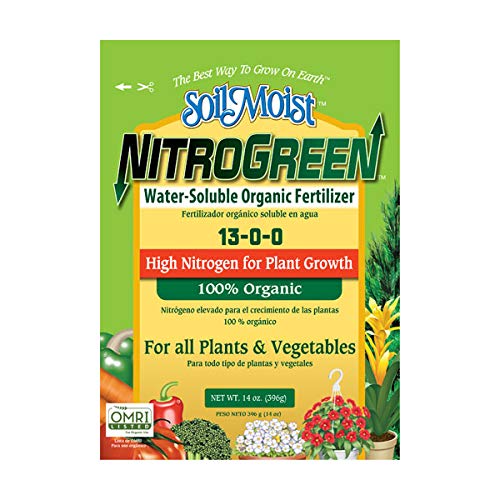
High nitrogen formula (13-0-0)

Feeds the Leaves, Fuels the Harvest: Yardi Brassica & Greens delivers a targeted NPK 8-3-3 high nitrogen formula with essential micronutrients designed to drive lush leafy growth, rich vibrant color, and vigorous development across vegetables, herbs, and leafy plants all season long.
How to Apply Fertilizer to Broccoli
When it comes to fertilizing broccoli, it’s essential to apply the right nutrients at the right times for optimal growth. Here’s a simple guide to help you nourish your broccoli plants effectively:
- Transplanting Seedlings: Fertilize your soil with a balanced fertilizer when transplanting your broccoli seedlings to provide them with the necessary nutrients to establish strong roots.
- 2-3 Weeks After Planting: Around 2-3 weeks after planting, apply a balanced fertilizer once again. This will support the plant as it starts its growth phase.
- As Heads Form: Once the broccoli heads start to form, consider boosting your plants with a nitrogen-rich fertilizer. This extra boost will help promote healthy head development.
- Ongoing Maintenance: Continue fertilizing your broccoli plants every 3-4 weeks to ensure they have a steady supply of nutrients for sustained growth.
By following these fertilization guidelines, you can set your broccoli plants up for success and enjoy a bountiful harvest of fresh, nutrient-rich produce.
Monitoring Broccoli Growth and Adjusting Fertilization
To ensure healthy broccoli plants, it’s crucial to monitor their growth regularly and make adjustments to the fertilization schedule as needed. Here are some tips for effectively managing the growth of your broccoli crop:
- Observation: Keep a close eye on the growth of your broccoli plants. Look for any signs of yellowing leaves or stunted growth, which could indicate a nutrient deficiency.
- Soil Testing: Conduct soil tests periodically to determine the nutrient levels in your soil. This will help you make informed decisions about the type and amount of fertilizer to apply.
- Adjusting Fertilization: Based on your observations and soil test results, adjust your fertilization schedule as needed. If you notice any deficiencies, consider supplementing with a specific nutrient fertilizer.
- Timing: Timing is key when it comes to fertilizing broccoli. Be sure to follow the recommended schedule for fertilization during different growth stages to support optimal development.
By staying vigilant and proactive in monitoring your broccoli plants’ growth and adjusting your fertilization practices accordingly, you can help maximize their potential and ensure a bountiful harvest of nutrient-rich broccoli.
Conclusion
Keep a close eye on your broccoli plants’ growth and adjust your fertilization routine as necessary. Look out for any signs of nutrient deficiencies, like yellowing leaves or stunted growth. Conduct soil tests to guide your fertilizer choices and tweak your fertilization schedule based on your observations and test results. Providing the right nutrients at the right times is key to promoting healthy broccoli development. By actively managing your broccoli plants’ growth and adapting your fertilization practices accordingly, you’ll set yourself up for a bountiful harvest of nutrient-packed broccoli.
Frequently Asked Questions
Why is monitoring the growth of broccoli plants important?
Regular monitoring allows growers to identify nutrient deficiencies, adjust fertilization, and ensure optimal growth for a successful harvest of healthy broccoli.
How can I recognize signs of nutrient deficiencies in broccoli plants?
Look out for yellowing leaves, stunted growth, and other abnormal symptoms that indicate a lack of essential nutrients in the plants.
Why is conducting soil tests recommended for managing broccoli plant growth?
Soil tests provide valuable information about nutrient levels in the soil, helping growers make informed decisions about fertilization practices.
How should I adjust the fertilization schedule based on observations and soil test results?
Modify the fertilizer application based on the specific nutrient deficiencies identified through observations and soil test reports.
Why is timely fertilization crucial during different growth stages of broccoli plants?
Applying fertilizers at the right growth stages ensures that the plants receive the necessary nutrients for healthy development and optimal yields.
