

Have you ever harvested your leaf lettuce only to find it wilting away shortly after? You’re not alone. Many gardeners face the challenge of keeping their greens thriving after a cut.
Key Takeaways
- Understand Growth Patterns: Leaf lettuce thrives with proper harvesting techniques; recognize its life cycle from germination to harvest for effective growth management.
- Optimal Growing Conditions: Maintain a cool environment (60°F to 70°F), well-draining soil enriched with organic matter, and ensure adequate sunlight (6 to 8 hours daily) for optimal lettuce growth.
- Proper Cutting Techniques: Use sharp tools to cut leaves about an inch above the crown and prioritize harvesting outer leaves to promote new growth from the center.
- Water and Feed Regularly: Provide consistent moisture (1 inch per week) and apply a balanced fertilizer every 4 to 6 weeks to support robust regrowth of leaf lettuce.
- Avoid Common Mistakes: Prevent overcutting and always use clean, sterilized tools to minimize the risk of pests and diseases affecting your crop.
Understanding Leaf Lettuce Growth
Understanding the growth patterns of leaf lettuce helps you harvest effectively while encouraging new growth. Leaf lettuce, known for its tender leaves, can thrive with proper care during and after harvesting.
Life Cycle of Leaf Lettuce
Leaf lettuce undergoes several stages from seed to harvest. You start with germination, where seeds sprout in 7 to 14 days. Once seedlings develop, they enter the vegetative stage, focusing on leaf production. This phase lasts 3 to 6 weeks, depending on the variety and conditions. Afterward, the plant matures, allowing for the first harvest. Continuous harvesting encourages further leaf production, as long as you leave at least 1 to 2 inches of growth.
Optimal Conditions for Growth
Creating optimal conditions promotes healthy growth. Leaf lettuce thrives in cool temperatures, ideally between 60°F and 70°F. Ensure you provide well-draining soil rich in organic matter. Regular watering, about 1 inch per week, keeps the soil evenly moist but not soggy. Adequate sunlight, around 6 to 8 hours daily, also boosts growth. You can enhance your outdoor garden or indoor setup with natural or artificial light sources. When conditions are right, your lettuce grows rapidly and stays healthy for continuous harvesting.
Techniques for Cutting Leaf Lettuce
Cutting leaf lettuce correctly promotes regrowth and keeps your plants healthy. Here are essential techniques to follow.
Recommended Products

Multifunction: The VIBIRIT herb scissors set provides a pair of herb shears, a herb stripper, and a peeler with three different blades. They can help you easily handle a large number of kitchen tasks, such as cutting meat, turkey, and poultry bones. You can not only use it to cut various vegetables, herbs, fruits, cut noodles and even pizza, but also peel potatoes, carrots, zucchini, cucumbers, apples, and avocados. No chopping boards and choppers are needed, bringing more convenience to your kitchen work.
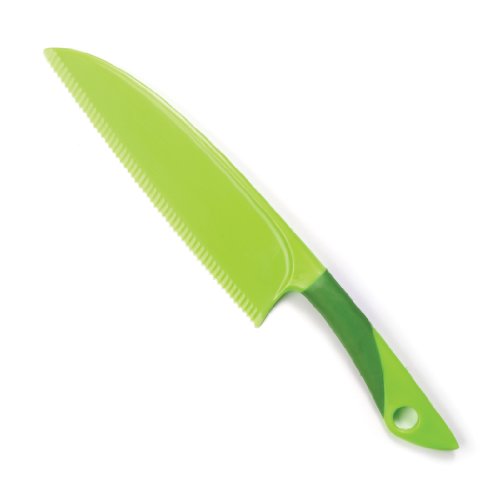
Non-slip, soft grip handle
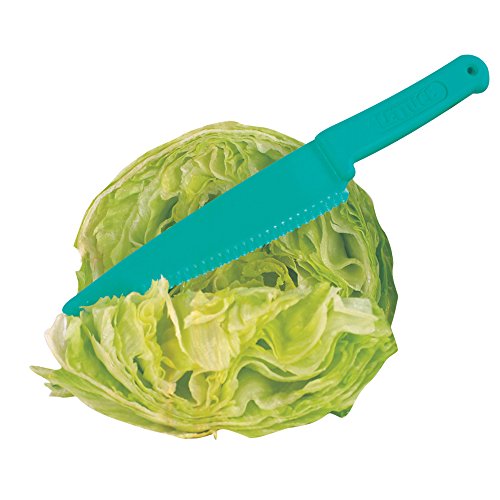
DURABLE DESIGN: Constructed from long-lasting and heat-resistant polystyrene plastic.
Tools You Need
- Sharp Knife or Scissors: Ensure tools are clean and sharp to make clean cuts. Dull tools can damage plants.
- Cutting Board: Use a stable surface to avoid accidents and provide a clean work area.
- Container: Select a bowl or basket for freshly cut lettuce to keep it organized and clean.
- Cut Above the Crown: Always cut leaves about one inch above the base. This method allows the plant to regenerate from the center.
- Harvest Outer Leaves First: Start with the oldest or outermost leaves. This approach encourages new growth from the center.
- Avoid Tearing: Make smooth cuts without tearing leaves. Tearing can damage the plant and slow its regrowth.
- Do Not Overharvest: Limit yourself to about one-third of the plant at a time. This practice ensures the lettuce remains healthy and continues producing.
- Check for Pests: Inspect leaves during cutting. Remove any pests to maintain plant health and prevent damage.
Implementing these techniques fosters ongoing growth and provides fresh lettuce for your meals.
Tips for Encouraging Regrowth
Encouraging regrowth in leaf lettuce requires careful attention to its needs. Focusing on watering, feeding, and light will keep your plants thriving.
Recommended Products

🥬 CRAFTED FOR ALL LETTUCE VARIETIES – Gardenera LIQUID POWER Lettuce Fertilizer is specially formulated to support rapid leaf development, crisp texture, and vibrant green color in romaine, butterhead, iceberg, red leaf, and loose-leaf lettuces.

High Nitrogen for Leafy Growth – Supports lush foliage and strong vegetative stages.

LEAFY GREENS FORMULA 8-15-36 POWDER — Engineered specifically for lettuce, kale, spinach, microgreens, and all leafy vegetables; very high potassium (36%) promotes crisp texture and extended shelf life while moderate nitrogen (8%) prevents leggy, weak growth
Watering and Feeding
Water leaf lettuce regularly to maintain consistent moisture. Aim for about 1 inch of water per week. Adjust watering based on weather conditions; increased heat may require more water. It’s vital to avoid waterlogging, which can lead to root rot.
Feed your lettuce with a balanced fertilizer every four to six weeks. Use a liquid fertilizer high in nitrogen, as it promotes leafy growth. For organic options, consider compost tea or fish emulsion. Applying these feeds during the active growing season supports robust regrowth.
Light Requirements
Provide at least 12 to 14 hours of light daily for optimal growth. If natural sunlight is insufficient, consider using grow lights. Position the lights about 6 to 12 inches above the plants. Monitor the greens; if they become leggy, increase the light intensity or duration.
Rotate your lettuce periodically to ensure even light exposure. This practice helps all leaves receive adequate sunlight, promoting uniform growth and health.
Common Mistakes to Avoid
Avoiding mistakes during the harvesting of leaf lettuce can significantly enhance regrowth. Here are key areas to focus on:
Overcutting
Overcutting causes stress to the plant and inhibits regrowth. Always cut only one-third of the leaves during each harvest. Prioritize the outer leaves first, allowing the inner leaves to continue growing. This method ensures the lettuce has enough leaf surface to photosynthesize and thrive.
Poor Hygiene Practices
Poor hygiene increases the risk of pests and disease in your garden. Always use clean and sterilized cutting tools to prevent contamination. Clean garden surfaces before and after harvesting. This simple practice minimizes the chances of transmitting pathogens to your lettuce, promoting healthy regrowth and a thriving crop.
Conclusion
With the right techniques and care you can enjoy a continuous harvest of fresh leaf lettuce. By cutting wisely and understanding the plant’s growth patterns you’re setting yourself up for success. Remember to keep your tools clean and sharp and always prioritize the outer leaves for cutting.
Pay attention to watering feeding and light to create the best conditions for your lettuce to thrive. Avoid overharvesting and practice good hygiene in your garden to keep pests and diseases at bay.
With these tips in mind you’ll not only keep your lettuce growing but also savor the satisfaction of fresh greens right from your garden. Happy gardening!
Frequently Asked Questions
Why does my leaf lettuce wilt after harvesting?
Leaf lettuce wilts after harvesting due to lack of moisture and stress from cutting. Proper care, such as immediate cooling and maintaining humidity, can mitigate wilting.
What are the best conditions for growing leaf lettuce?
Leaf lettuce thrives in cool temperatures, well-draining soil rich in organic matter, regular watering, and at least 12-14 hours of sunlight a day.
How do I cut leaf lettuce for regrowth?
To encourage regrowth, cut outer leaves first and above the crown. Use clean, sharp tools and avoid tearing leaves to minimize damage.
How often should I water leaf lettuce?
Water leaf lettuce regularly, aiming for about 1 inch of water per week. Consistent moisture is crucial while avoiding waterlogged conditions.
How can I promote regrowth in harvested leaf lettuce?
Feed with a balanced fertilizer high in nitrogen every four to six weeks and ensure adequate light. Regular watering also promotes robust regrowth.
What mistakes should I avoid when harvesting leaf lettuce?
Avoid overcutting by harvesting only one-third of the leaves at a time. Maintain hygiene with clean tools and surfaces to prevent pests and diseases.
