

Are you eager to grow your own fresh lettuce but unsure when to plant it in Massachusetts? You’re not alone. Many gardeners face the challenge of timing their crops just right to enjoy a bountiful harvest.
Key Takeaways
- Understand Growth Cycles: Lettuce has specific growth cycles; knowing them helps you plant at the optimal time for better yields.
- Choose the Right Variety: Popular types include Leaf, Romaine, Butterhead, and Crisphead, each with unique growth timelines and uses.
- Ideal Planting Temperatures: Lettuce thrives at temperatures between 60°F and 70°F; ensure appropriate soil temperature (at least 45°F) before planting.
- Spring and Fall Planting Schedules: For spring planting, start seeds in late March to early April; for fall, sow seeds by mid to late July to ensure harvest before frost.
- Monitor Soil Conditions and Frost Dates: Keep track of soil temperature and local frost dates to avoid detrimental planting mistakes.
- Focus on Soil Preparation and Pest Management: Proper soil preparation, fertility management, and pest control are critical for successful lettuce cultivation.
Understanding Lettuce Growth Cycles
Lettuce has specific growth cycles that influence when you should plant it. Understanding these cycles helps you time your planting for optimal yields.
Types of Lettuce Varieties
Lettuce includes several varieties, each with unique growth characteristics. Here are some common types:
- Leaf Lettuce: This variety grows quickly, typically maturing in 30 to 50 days. It’s best for multiple harvests, as you can snip leaves without uprooting the plant.
- Romaine Lettuce: Romaine takes longer to mature, usually around 70 to 80 days. Its tall, sturdy leaves make it ideal for salads and sandwiches.
- Butterhead Lettuce: Butterhead matures in 55 to 75 days. Its tender leaves form loose heads that are perfect for a delicate texture in dishes.
- Crisphead Lettuce: This variety, commonly known as Iceberg, requires 80 to 90 days for full maturity. It produces tight, crunchy heads suitable for traditional salads.
Choosing the right variety depends on your intended uses and the growing season.
Optimal Temperature Ranges
Lettuce thrives in cooler temperatures. The ideal range is between 60°F and 70°F. Planting in these conditions promotes rapid growth and enhances flavor.
- Spring Planting: Start seeds indoors 4 to 6 weeks before the last frost date or direct sow as soon as the soil temperature reaches 45°F. Late March to early April is typically a good window.
- Fall Planting: For a fall harvest, sow seeds in mid to late summer. Aim to have the plants mature before the first frost, generally by early September in Massachusetts.
Consider using row covers to protect your seedlings from unexpected cold and pests. Monitoring soil temperature can also prevent planting too early or too late.
Best Planting Seasons in Massachusetts
Understanding the best planting seasons for lettuce in Massachusetts ensures a fruitful garden. Timing plays a crucial role in achieving optimal growth and flavor.
Spring Planting Timelines
For spring planting, start indoors 4 to 6 weeks before the last expected frost date, typically around late March to early April in Massachusetts. Transplant seedlings outdoors when soil temperatures reach 45°F, which usually happens in mid-April. If you prefer direct sowing, wait until the soil warms up. Aim for late April to early May for the best results. Lettuces thrive in the cool temperatures of spring, so monitor nighttime temperatures, ensuring those remain between 60°F and 70°F for optimal growth.
Fall Planting Timelines
For fall planting, aim to sow seeds from mid to late July. This timing allows enough growth before the first frost, which usually occurs in late September to early October. Choose fast-maturing varieties, such as Leaf or Butterhead, that can yield harvestable crops within 50 to 60 days. Consider using row covers to shield your plants from unexpected cold snaps as the season transitions. Monitor frost dates to ensure you harvest before the weather becomes too harsh.
By aligning your planting schedule with these timelines, you’ll enjoy a bountiful harvest of fresh lettuce.
Factors Affecting Planting Decisions
Gardening success in Massachusetts hinges on several key factors that influence when to plant lettuce. You must consider soil temperature and local frost dates to optimize your planting schedule.
Recommended Products
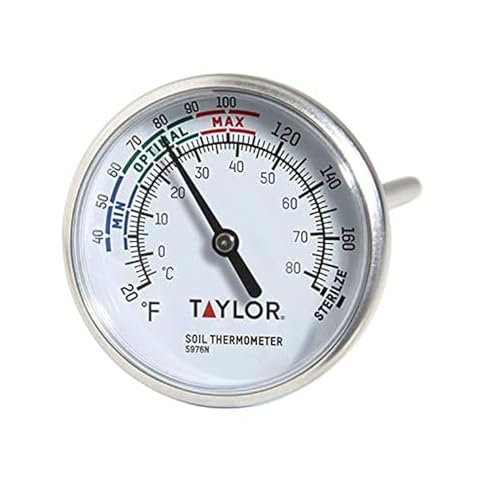
PRECISE SOIL TEMPERATURE READINGS: Measures soil temperatures from 20 degrees F to 180 degrees F (0 degrees C to 80 degrees C) with a large, easy-to-read analog dial face - no batteries or digital screens needed for reliable results every time
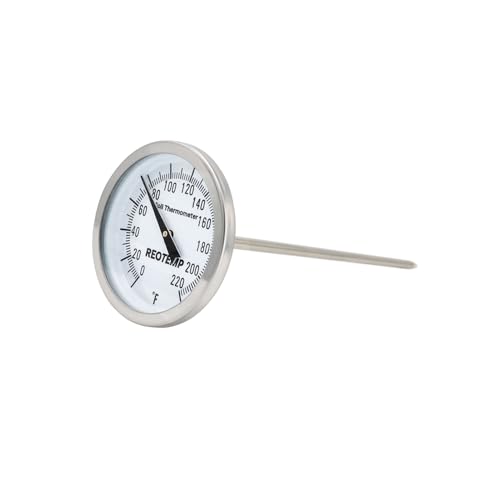
Corrosion Resistant 304 Stainless Steel Case, Bezel and 5" Stem

Easy-to-read green, yellow, and red tick marks for easy monitoring
Soil Temperature Considerations
Soil temperature plays a crucial role in lettuce growth. Lettuce thrives best when soil temperatures range between 45°F and 70°F. To ensure optimal conditions, use a soil thermometer to check temperatures before planting.
- Test Soil: Conduct soil temperature tests a few inches below the surface.
- Wait for Ideal Temps: If soil temperatures are below 45°F, delay planting. Lettuce may not germinate or thrive in cooler conditions.
- Monitor Conditions: Periodically check soil temperature throughout the planting season.
For spring planting, aim to transplant seedlings outdoors when the soil reaches at least 45°F.
Frost Dates in Massachusetts
Understanding frost dates is vital for successful lettuce planting. Spring frosts usually occur around mid-April to late April, while fall frosts tend to happen in late September to early October.
- Know Your Zone: Massachusetts has various USDA hardiness zones. Check your zone for specific frost dates.
- Plan Planting: For spring planting, start seeds indoors 4 to 6 weeks before the last frost date. For fall planting, sow seeds by mid to late July.
- Use Tools: Employ row covers to shield young plants from unexpected late frosts in spring or early frosts in fall.
By considering soil temperature and frost dates, you can make informed planting decisions for your lettuce garden in Massachusetts.
Tips for Successful Lettuce Cultivation
Successful lettuce cultivation requires attention to detail in soil preparation and pest management. Focusing on these elements ensures healthy plants and a satisfying harvest.
Recommended Products
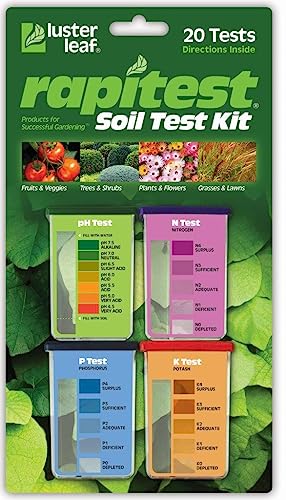
Quick, at home results for Soil pH, Nitrogen, Phosphorous and Potash Innovative and inexpensive soil test kit features an easy-to-use capsule system and patented color comparators

KNOW BEFORE YOU GROW | Grow the healthiest, sustainable lawn and garden with the most accurate and easy to use professional soil test kit on the market

Kindly NOTE: This soil tester can not be applied to test pH value of any other liquid. If the soil is too dry the indicator will not move, and water it before testing.
Soil Preparation Techniques
- Test Soil pH: Aim for a pH between 6.0 and 7.0 for optimal growth. Use a soil test kit to determine your soil’s pH level. Amend soil with lime to raise pH or sulfur to lower it, if needed.
- Add Organic Matter: Incorporate compost into your soil. Adding 2 to 4 inches of well-rotted compost improves soil structure, nutrient content, and moisture retention.
- Ensure Good Drainage: Lettuce prefers well-drained soil. If your garden area has heavy clay, consider creating raised beds. Raised beds facilitate drainage and root health, promoting stronger growth.
- Clear Debris and Weeds: Remove rocks, old plants, and weeds before planting. Clean soil minimizes competition for nutrients and helps prevent disease.
- Fertility Management: Use a balanced fertilizer with an N-P-K ratio around 10-10-10. Apply it according to package instructions, usually before planting and again halfway through the growing season.
- Practice Crop Rotation: Rotate lettuce with different plant families each season. This breaks pest cycles and reduces the likelihood of disease. For example, follow lettuce with beans or carrots.
- Monitor for Pests: Regularly check your lettuce for pests, such as aphids or slugs. Early detection prevents significant damage and makes control easier.
- Encourage Beneficial Insects: Attract beneficial insects like ladybugs and lacewings by planting flowers nearby, such as marigolds or calendula. These insects help control harmful pests naturally.
- Use Physical Barriers: Install row covers to shield lettuce from flying insects. Row covers also provide light frost protection, extending your growing season.
- Introduce Organic Pest Control: Use neem oil or insecticidal soap if pests appear. Apply according to product directions to minimize damage while protecting beneficial insects.
By following these tips, you can cultivate healthy lettuce and enhance your gardening experience.
Conclusion
Getting your timing right for planting lettuce in Massachusetts can make all the difference in your garden. By understanding the growth cycles and temperature preferences of different lettuce varieties you can set yourself up for a bountiful harvest.
Whether you’re starting seeds indoors or sowing directly in the ground being mindful of local frost dates is key. Remember to monitor soil conditions and prepare your garden properly to ensure your lettuce thrives.
With a little planning and care you’ll be enjoying fresh, crisp lettuce from your own garden in no time. Happy gardening!
Frequently Asked Questions
When is the best time to plant lettuce in Massachusetts?
For spring planting, start seeds indoors 4 to 6 weeks before the last frost, typically late March to early April. Transplant seedlings outdoors when soil temperatures reach 45°F, around mid-April. For fall planting, sow seeds from mid to late July to ensure maturity before the first frost in late September to early October.
What temperature range is ideal for growing lettuce?
Lettuce thrives best in temperatures between 60°F and 70°F. It’s crucial to ensure that soil temperatures are also within this range for optimal growth, which typically means checking soil with a thermometer before planting.
How do I know if my soil is ready for planting lettuce?
Check the soil temperature using a thermometer. It should be at least 45°F for lettuce planting. Additionally, testing soil pH is recommended, aiming for levels between 6.0 and 7.0, ensuring good conditions for growth.
What are the different varieties of lettuce suitable for planting?
Popular lettuce varieties include Leaf, Romaine, Butterhead, and Crisphead. Each variety has unique growth characteristics and maturation times. For quicker harvests, Leaf and Butterhead are excellent choices.
How can I protect my lettuce from cold weather?
Using row covers can effectively protect your lettuce from unexpected cold snaps. Additionally, ensuring proper timing for planting in spring and fall will help manage exposure to frost conditions.
What soil preparation tips should I follow for growing lettuce?
Prepare soil by testing pH, aiming for 6.0 to 7.0. Add organic matter like compost, ensure good drainage, and clear any debris or weeds to support healthy growth. Crop rotation and balanced fertilization are also beneficial.
How do I manage pests while growing lettuce?
Monitor for pests regularly and attract beneficial insects to your garden. Consider using physical barriers like row covers, and explore organic pest control methods for effective management without harsh chemicals.
