

Have you ever wondered when the best time is to collect lettuce seeds? Timing can make all the difference between a successful harvest and a disappointing yield. If you’ve grown lettuce in your garden, you know that saving seeds can be a rewarding way to ensure a steady supply for future planting.
Key Takeaways
- Timing is Crucial: Collect lettuce seeds when the seed heads turn brown but before they shatter to ensure viability.
- Monitor Growing Conditions: Temperature, moisture, and soil quality significantly affect seed maturity; ensure optimal conditions for healthy plants.
- Identify Readiness: Look for visual signs like dry, brown seed heads and feel for firmness to determine if seeds are ready for harvesting.
- Ideal Weather for Collection: Choose dry, sunny days for harvesting to prevent moisture-related issues and enhance seed quality.
- Use Proper Equipment: Essential tools like pruning shears, paper bags, and labels can streamline the seed collection process and ensure organization.
- Storage Best Practices: Store seeds in cool, dark, and dry places using breathable containers, and periodically test germination to maintain seed viability.
Understanding Lettuce Seed Collection
Collecting lettuce seeds at the right time boosts your chances of a successful harvest. Knowing when and how to collect these seeds makes the process more rewarding.
Importance of Timing
Timing plays a crucial role in seed collection. Harvesting too early leads to immature seeds, which may not germinate well. Conversely, waiting too long can result in seeds that drop from the plant, leaving you with little to collect. Aim for a window when the seed heads turn brown but before they shatter. This ensures you gather viable seeds.
Factors Influencing Seed Maturity
Several factors affect when lettuce seeds mature:
- Temperature: Warm temperatures speed up growth. Lettuce thrives between 60°F and 70°F. Extreme heat can cause seed heads to bolt earlier.
- Moisture: Consistent watering encourages healthy plant growth. Drought stress can affect seed production. Keep the soil moist but not soggy.
- Variety: Different lettuce varieties mature at different rates. Head lettuces take longer than loose-leaf types. Check seed packets for specific maturity timelines.
- Growing Conditions: Sunlight and soil quality play vital roles. Lettuce needs full sun and well-draining soil to develop strong seeds.
By monitoring these factors, you can time your seed collection for maximum effectiveness.
Signs That Lettuce Seeds Are Ready
Identifying when lettuce seeds are ready for harvest is crucial for ensuring seed viability. Look for several signs to determine the right moment for collection.
Recommended Products

4 Popular Heirloom Lettuce Varieties: Includes Red Romaine, Bibb Butterhead, Black Seeded Simpson, and Green Ice lettuce seeds to grow crisp, tender, and colorful salad greens with balanced flavor, texture, and visual appeal.

Black Seeded Simpson is a classic heirloom loose leaf lettuce with large, tender green leaves and a mild, sweet flavor. Harvest fresh leaves for salads, sandwiches, wraps, and other homegrown meals.

YEAR-ROUND GARDEN FAVORITE – Dependable butterhead lettuce that thrives in cool or moderate weather for consistent harvests from spring through fall, even under cover in winter
Visual Indicators
Check for brown seed heads. Lettuce flowers develop into seed heads, which will turn from green to brown when ripe. The seeds will appear small and hard, typically a dark tan or brown color. Observe if the seed pods are dry and brittle. When they’re easily crushed or break apart, it’s time to collect. In some varieties, seeds may start to scatter if disturbed, indicating overload.
Feel and Texture
Gently squeeze the seed heads. Ripe seeds feel firm and solid, indicating they’ve fully matured inside the pods. If the heads feel spongy or soft, they’re not ready. Additionally, check for dryness. The pods should feel dry to the touch; any moisture can affect seed quality.
Optimal Conditions for Collecting Seeds
Collecting lettuce seeds requires specific conditions to ensure viability and quality. Understanding both weather conditions and having the right equipment significantly influences your success in harvesting seeds.
Weather Conditions
Ideal weather for collecting lettuce seeds includes dry and warm days. Aim to collect seeds on sunny days when humidity is low. This helps ensure that the seeds are dry, preventing mold or decay during storage. Monitor the long-term forecast; avoid harvesting before or during rain, as excess moisture can damage the seeds. Additionally, temperatures should be stable and not fluctuate drastically, as sudden changes can affect seed maturity.
Equipment Needed
Gathering the right tools simplifies the seed collection process. Here’s what you need:
- Pruning Shears: Use these to cut the seed heads off the plants cleanly. Ensure they are sharp for a smooth cut.
- Paper Bags or Envelopes: These help store the collected seeds. Avoid plastic bags, as they can trap moisture.
- Labels: Label your storage containers with the variety and date collected. This step prevents confusion later.
- Gloves: Wear gloves to protect your hands, especially if you’re working with plants that may have thorns or irritants.
Collecting lettuce seeds with the right conditions and tools ensures a successful harvest for future planting. By paying attention to these factors, you enhance the quality and viability of your seeds.
Step-by-Step Guide to Collecting Lettuce Seeds
Collecting lettuce seeds requires proper timing and technique. Follow these steps to ensure success.
Recommended Products

SUITABLE SIZE: The size of these seed envelopes is 3.15 "x 4.72", small and lightweight, easy to carry with you every day, you can put them in your pocket, travel bag, or drawer easily. We have a total of 156 seed packets envelopes for you, enough to meet your needs and share them with your family and friends.

【Resealable】: With a built-in Zip Lock seal, you can easily open and close each envelope to keep your seeds secure. The resealable closure prevents spills and helps maintain seed freshness over time.
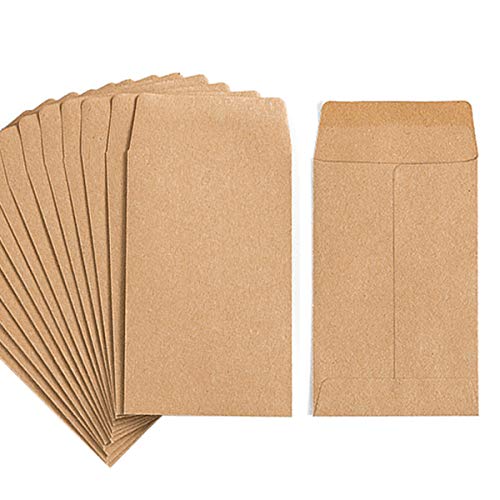
Package Includes: It contains 100 pack self-adhesive small parts packets envelopes for storage of coin, seed, stamps or other small parts things that are easy to lose.
Preparing for Collection
- Choose the Right Time: Wait until the lettuce flowers have dried and turned brown. Inspect the seed heads closely.
- Gather Your Supplies: You’ll need pruning shears, paper bags or envelopes, labels, and gloves. These tools enhance the efficiency and organization of your seed collection.
- Assess Weather Conditions: Plan your collection for a dry, sunny day. Low humidity reduces the risk of mold during storage, ensuring better seed quality.
Harvesting Techniques
- Cut Seed Heads: Use pruning shears to snip off the dried seed heads. Aim for a clean cut to minimize damage.
- Collect Seeds: Place the seed heads directly into your storage bags or envelopes. Avoid crushing them during collection.
- Check for Ripe Seeds: Ripe seeds will feel firm when you squeeze them. If they easily crush, they’re too immature or overly dried.
- Dry Seeds: Spread the collected seed heads on a paper towel for additional drying. This step prevents moisture buildup, which can spoil the seeds.
- Remove Debris: Gently rub the seed heads to release the seeds and separate them from chaff. This process enhances seed purity.
- Store Properly: Place the cleaned seeds in labeled envelopes or containers. Store them in a cool, dark place. This environment helps maintain seed viability for future planting.
Following these steps ensures you collect high-quality lettuce seeds, ready for successful planting in the next growing season.
Storage and Preservation of Lettuce Seeds
Proper storage and preservation techniques are essential for maintaining the viability of your collected lettuce seeds. Follow these guidelines to ensure your seeds remain in top condition for future planting.
Recommended Products

Keep your produce fresh for longer: The PrepSolutions Lettuce Keeper keeps your produce fresh with an adjustable air vent and water reservoir, creating the ideal environment for fresh fruits and vegetables. Item measures 12.5" W x 7.25" D x 5.25" H and weighs 1.14 lbs.

Packaging content: Includes 2 sizes of seed storage boxes, measuring 14 x 4.2 x 4.7 inches and 11.8 x 3.7 x 3.7 inches respectively. It can accommodate around 100 or 70 standard sized seed packs respectively (the quantity may vary depending on the thickness of different seed packs).

KEEP PRODUCE FRESHER LONGER: Rubbermaid FreshWorks Produce Saver uses FreshVent technology to regulate airflow, so your produce stays fresher longer
Best Practices for Storage
- Use Dry Containers: Opt for glass jars, paper envelopes, or seed-saving bags. These materials allow airflow while keeping moisture out.
- Label Clearly: Write the seed variety and collection date on each container. This practice helps you track the seed’s age and type.
- Choose a Cool, Dark Location: Store your containers in a cool, dry, and dark place, like a basement or a climate-controlled area. Heat and light can degrade seed quality.
- Avoid Humidity: Keep seeds away from damp areas like kitchens or bathrooms. Humidity can promote mold growth and reduce seed viability.
- Include Desiccants: Consider adding silica gel packets to your storage containers. These packets absorb excess moisture, further protecting your seeds.
Shelf Life of Lettuce Seeds
Lettuce seeds typically maintain their viability for 4 to 6 years if stored properly. Viability decreases over time, so check your seeds periodically:
- Test Germination: To check seed viability, place a few seeds on a damp paper towel and keep them in a warm spot. After about a week, check for sprouting. If most seeds germinate, they’re still good to plant.
- Rotate Older Seeds First: Use older seeds in your next planting to reduce waste and ensure freshness. Keeping track of seed age supports efficient planting schedules.
By following these storage and preservation techniques, you enhance the chances of a successful harvest in the next growing season.
Conclusion
Collecting lettuce seeds is a rewarding journey that can enhance your gardening experience. By paying attention to the right timing and conditions you can ensure your seeds are viable for future planting. Remember to watch for those visual cues like brown seed heads and dry pods to know when it’s time to harvest.
Taking the time to store your seeds properly will keep them fresh for years to come. With a little patience and care you’ll be well on your way to enjoying a bountiful lettuce crop season after season. Happy gardening and may your lettuce seeds thrive!
Frequently Asked Questions
When is the best time to collect lettuce seeds?
The best time to collect lettuce seeds is when the seed heads have turned brown and dry, indicating they are fully mature. Harvesting should occur on dry, sunny days with low humidity to ensure optimal seed quality.
How can I tell if my lettuce seeds are ready for harvest?
You can tell lettuce seeds are ready for harvest when the seed heads are brown and brittle, and the seeds inside feel firm and solid. Check for visual indicators, such as dark tan or brown seeds, to confirm ripeness.
What are the optimal conditions for collecting lettuce seeds?
The optimal conditions include dry, warm weather, preferably during sunny days with low humidity. Avoid harvesting during or right before rain, as moisture can lead to mold and affect the seeds’ viability.
What supplies do I need for collecting lettuce seeds?
You will need pruning shears for cutting seed heads, paper bags or envelopes for storage, labels for organization, and gloves for protection. These tools help ensure a smooth harvesting process and proper storage.
How should I store collected lettuce seeds?
Store collected lettuce seeds in dry containers, labeled clearly, and placed in a cool, dark location to prevent degradation. Including desiccants like silica gel packets can help protect seeds from moisture, extending their shelf life.
How long do lettuce seeds remain viable?
Lettuce seeds can remain viable for 4 to 6 years when stored properly. To ensure freshness, regularly test germination rates and rotate older seeds for planting in the next growing season.
