

Ever found yourself staring at a whole head of iceberg lettuce, unsure how to cut it? You’re not alone. Many people struggle with this simple task, often ending up with uneven pieces or a messy kitchen.
Key Takeaways
- Essential Tools: Use a sharp chef’s knife (8 inches or more) and a sturdy cutting board for efficient cutting of iceberg lettuce.
- Proper Preparation: Thoroughly wash the lettuce and remove any damaged outer leaves to ensure freshness and cleanliness.
- Effective Cutting Techniques: Halve the lettuce for stability, then slice the halves into bite-sized pieces for uniform salad preparation.
- Storage Tips: Store cut lettuce in an airtight container with a paper towel to absorb moisture, and use within three to five days for optimal freshness.
- Avoid Common Mistakes: Don’t cut the lettuce too early to prevent wilting, and always use a sharp knife to avoid uneven cuts and preserve lettuce quality.
Tools You Will Need
Cutting iceberg lettuce requires a few essential tools for neat and efficient results. Having the right equipment enhances the experience and keeps your kitchen tidy.
Recommended Products
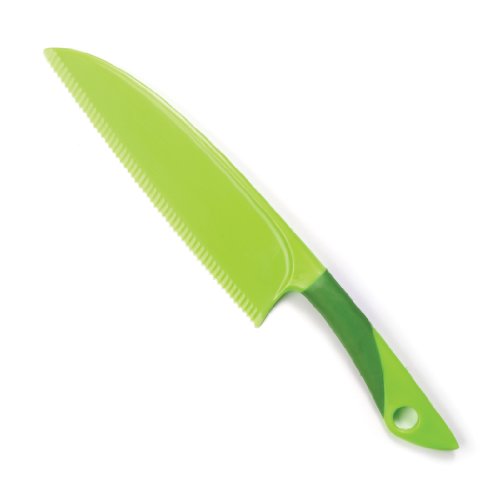
Non-slip, soft grip handle

NON-TOXIC & BPA FREE - Constructed from long-lasting and heat-resistant polystyrene plastic. No BPA material, tasteless, non-toxic, dishwasher safe lettuce cutting knife with serrated edges to prevent from turning brown.

Cat Cora Lettuce Knife With Herb Stripper: Serrated edge chops leafy greens cleanly; minimizes browning to maintain freshness, texture, and nutrients
Knife Selection
Choose a sharp chef’s knife for cutting iceberg lettuce. A blade at least 8 inches long handles the task well. Avoid dull knives, as they tear the leaves instead of slicing them cleanly. Some people find a serrated knife helpful for more delicate cuts. Test different knives to see which you prefer; comfort is key.
Cutting Board
Select a sturdy cutting board that’s large enough for the head of lettuce. A wooden or plastic board works best, as they provide stability while cutting. Make sure it’s clean and dry to prevent slipping. A non-slip mat underneath can help keep the board from moving during use.
Preparing the Lettuce
Preparing iceberg lettuce involves key steps to ensure freshness and cleanliness before cutting. Follow these guidelines to get started effectively.
Washing the Lettuce
Washing iceberg lettuce properly removes dirt and any pesticide residues. Start by removing the head of lettuce from its packaging. Rinse it under cold running water for about 30 seconds. Gently rub the leaves with your hands to eliminate any stubborn dirt. For additional safety, consider soaking the lettuce in a bowl of cold water for a few minutes, then rinsing again. Shake off excess water or use a salad spinner to dry it.
Removing Outer Leaves
Removing the outer leaves enhances the lettuce’s presentation and freshness. Inspect the head for any wilted or damaged leaves. Gently peel away these outer layers, discarding them into compost or the trash. Aim to remove around 1-3 layers depending on the condition of the leaves. The inner leaves will be crisp and ideal for salads or sandwiches.
Cutting Techniques
Effective cutting techniques make handling iceberg lettuce simple and efficient. Using the right methods ensures evenness and minimizes mess while preparing your salad or sandwich.
Recommended Products

No more throwing out lettuce because of browning

NON-TOXIC & BPA FREE - Constructed from long-lasting and heat-resistant polystyrene plastic. No BPA material, tasteless, non-toxic, dishwasher safe lettuce cutting knife to prevent turning brown.
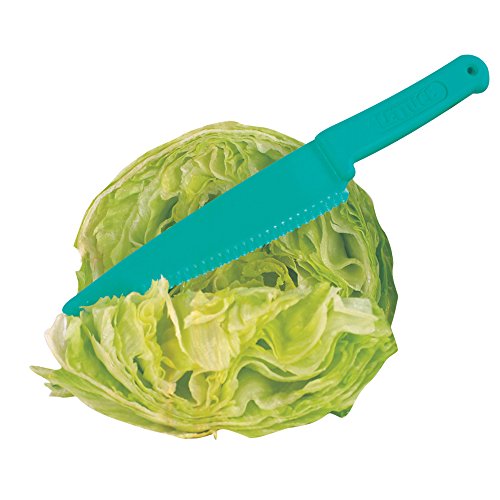
DURABLE DESIGN: Constructed from long-lasting and heat-resistant polystyrene plastic.
Halving the Lettuce
Start by placing the lettuce head on the cutting board, stem side up.
- Hold the lettuce firmly with one hand.
- Use your sharp chef’s knife to slice down the center from top to bottom.
- Apply even pressure for a clean cut.
- You’ll create two equal halves, which are easy to manage for further cutting.
This halving process stabilizes the lettuce and allows for more controlled slicing.
Slicing for Salad
Once halved, you can cut the lettuce into smaller pieces.
- Lay the cut side down on the board for stability.
- Make horizontal cuts across each half, about 1-inch apart, depending on your preferred size.
- Turn the halved pieces 90 degrees and make vertical cuts to create bite-sized pieces.
Aim for uniform cuts to promote even distribution in your salad. For a finer chop, repeat the vertical cuts until you reach the desired size.
These techniques enhance the visual appeal of your dish while ensuring a consistent texture.
Tips for Freshness
Freshness is key to enjoying iceberg lettuce. Follow these tips to keep your cut lettuce crisp and flavorful.
Storing Cut Lettuce
Store cut lettuce in an airtight container. Place a paper towel inside to absorb excess moisture. This helps prevent sogginess. Refrigerate it at a temperature between 32°F and 36°F. Use it within three to five days for the best taste and texture. If you notice any wilting, trim the edges or discard those parts before using.
Preventing Browning
To prevent browning, add a spritz of lemon juice or vinegar to the cut lettuce. The acidity slows down oxidation. Another option is to keep the cut lettuce submerged in cold water until ready to use. Change the water regularly for optimal results. Always rinse the lettuce again before serving to maintain freshness.
Common Mistakes
Cutting iceberg lettuce seems simple, yet common mistakes often lead to frustration. Avoiding these errors can improve your efficiency and presentation in food preparation.
Cutting Too Early
Cutting iceberg lettuce too early can lead to wilting and loss of crispness. It’s important to only cut the lettuce right before serving or using it. If you cut it too far in advance, the exposed edges will start to brown and degrade the quality. Instead, wait until you’re ready to incorporate it into your dish for the freshest taste and texture.
Using Dull Knives
Using dull knives results in uneven cuts and damaged leaves. A sharp knife produces clean slices, preserving the lettuce’s structure and freshness. Invest in a high-quality chef’s knife that maintains its sharpness. Regularly hone and sharpen your knives to ensure they remain effective. This practice makes cutting easier and enhances the overall appearance of your salads or sandwiches.
Conclusion
Cutting iceberg lettuce doesn’t have to be a hassle. With the right tools and techniques you can achieve clean and even pieces every time. Remember to prepare your lettuce properly and use a sharp knife for the best results.
By following these simple steps you’ll not only enhance your salads and sandwiches but also enjoy the satisfaction of a tidy kitchen. Keep your cut lettuce fresh and crisp with a few easy storage tips and you’ll always have delicious greens on hand. Happy chopping!
Frequently Asked Questions
How do I effectively cut iceberg lettuce?
To cut iceberg lettuce effectively, wash it first and remove any outer leaves. Then, halve the head stem side up on a sturdy cutting board with a sharp chef’s knife. Lay the halved head cut-side down, and make horizontal cuts about 1 inch apart, followed by vertical cuts to create even pieces. This technique promotes better presentation and texture in your dishes.
What tools do I need for cutting iceberg lettuce?
For cutting iceberg lettuce, use a sharp chef’s knife that is at least 8 inches long. A serrated knife can be useful for delicate tasks. Additionally, choose a sturdy cutting board, either wooden or plastic, and consider using a non-slip mat for better stability while cutting.
How should I store cut iceberg lettuce?
Store cut iceberg lettuce in an airtight container with a paper towel to absorb excess moisture. Refrigerate it between 32°F and 36°F, and aim to use it within three to five days for the best taste and texture. To prevent browning, add a spritz of lemon juice or vinegar, or keep it submerged in cold water.
What common mistakes should I avoid when cutting iceberg lettuce?
Avoid cutting iceberg lettuce too early, as this can cause wilting and browning; wait until just before serving. Always use a sharp knife to prevent uneven cuts and damaged leaves. Regularly hone and sharpen your knife for more efficient and visually appealing results.
How do I clean iceberg lettuce before cutting?
To clean iceberg lettuce, rinse it under cold running water while gently rubbing the leaves to remove dirt and pesticides. For extra safety, soak the head in cold water, then rinse again. This ensures that the lettuce is fresh and ready for cutting, enhancing the quality of your salads and sandwiches.
