

Are you excited to grow your own fresh lettuce but unsure how deep to plant it in containers? You’re not alone! Many beginners face this common question, and getting it right can make all the difference in your gardening success.
Key Takeaways
- Container Selection Matters: Choose appropriate container types for lettuce, such as plastic, clay, wooden, or grow bags, to ensure proper aeration and moisture retention.
- Optimal Container Size: Use containers that are at least 6-12 inches deep for single plants and 12-18 inches deep for multiple plants, with a minimum width of 12-18 inches for effective growth.
- Soil Quality is Key: Utilize a high-quality potting mix that combines loamy soil, organic matter, and perlite/vermiculite, and ensure a pH level of 6.0 to 7.0 for optimal nutrient absorption.
- Correct Planting Depth: Plant lettuce seeds at a depth of 1/4 to 1/2 inch, adjusting according to lettuce variety, container type, and environmental conditions to promote healthy germination.
- Consistent Watering: Maintain consistent moisture in the soil without waterlogging, checking the top inch of soil regularly to determine watering needs, especially in warm conditions.
- Routine Fertilization: Use balanced, slow-release fertilizers at planting and apply diluted liquid fertilizer every four to six weeks to provide essential nutrients for healthy lettuce growth.
Choosing The Right Container
Selecting the right container enhances your lettuce planting experience. The container not only needs to support growth but also provides adequate depth for root development.
Recommended Products

Thickened Nonwoven Fabric: Crafted from 300G thickened breathable nonwoven fabric, these grow bags for plants provide moderate permeability for root respiration; BPA-free material ensures food safety for organic vegetables

SPACE-SAVING SHAPE – Don't let the slim profile fool you. With filled dimensions of 3.9"L x 3"W x 12"H, these plant nursery bags hold approx. 140 cubic inches of soil, The narrow rectangular-oval footprint allows you to pack more seedlings into a smaller tray or greenhouse footprint compared to round pots.
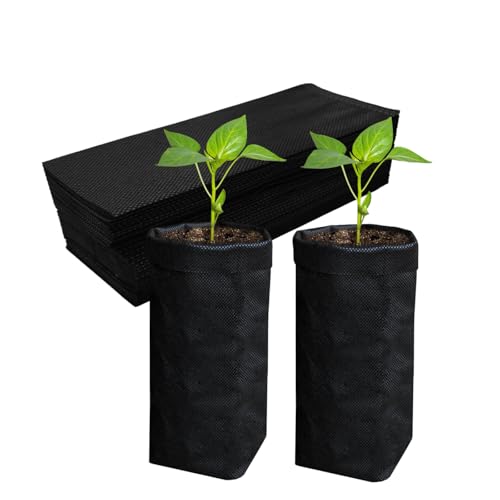
【Planting Bags Material】Made of thick non-woven fabric, sturdy and lightweight, it can be directly planted on the ground and in gardens.
Container Types
You can choose various types of containers for growing lettuce. Consider these popular options:
- Plastic Containers: Lightweight and inexpensive, plastic containers retain moisture well. Ensure they have drainage holes.
- Clay Pots: Clay pots offer good aeration, but they dry out quickly. Water more often when using clay.
- Wooden Planters: Sturdy and aesthetic, wooden planters provide insulation for roots. Consider lining the inside to extend their lifespan.
- Grow Bags: Flexible and breathable, grow bags are great for small spaces. They allow for easy movement and drainage.
Container Size
Container size plays a crucial role in lettuce growth. Follow these size guidelines:
- Minimum Depth: Use containers at least 6-12 inches deep for optimal root growth. Shallow containers may restrict development.
- Width: A wider container allows for more lettuce plants. A minimum of 12-18 inches across suits multiple plants well.
- Single Plant: If planting a single lettuce plant, choose a container that’s at least 6 inches deep and 8 inches wide.
- Multiple Plants: For planting several lettuce types together, opt for a container at least 12-18 inches deep and 24-36 inches wide.
Choosing the right container, both in type and size, ensures your lettuce thrives in its environment.
Soil Preparation
Preparing the right soil for planting lettuce in containers is vital for healthy growth. Ensuring a nutrient-rich and well-draining mix sets the foundation for your lettuce plants.
Soil Composition
Use a high-quality potting mix that contains a balanced blend of loamy soil, organic matter, and perlite or vermiculite. These components provide essential nutrients and improve aeration and drainage. You can also consider adding compost, which enriches the soil with beneficial microorganisms. Aim for a soil pH of 6.0 to 7.0, as this range promotes optimal nutrient uptake for lettuce.
Drainage Considerations
Ensure your containers have adequate drainage holes. Poor drainage can lead to waterlogged soil, which causes root rot and other issues. Fill the bottom of your pots with small stones or coarse gravel to improve drainage further. When you water your lettuce, excess water should flow out easily. Monitor the moisture level consistently; letting the soil dry out slightly between waterings encourages strong root development.
Planting Depth Guidelines
When planting lettuce in containers, proper depth is vital for healthy growth. Follow these guidelines for optimal results.
Recommended Products

Keep your produce fresh for longer: The PrepSolutions Lettuce Keeper keeps your produce fresh with an adjustable air vent and water reservoir, creating the ideal environment for fresh fruits and vegetables. Item measures 12.5" W x 7.25" D x 5.25" H and weighs 1.14 lbs.

𝐊𝐞𝐞𝐩𝐬 𝐕𝐞𝐠𝐞𝐭𝐚𝐛𝐥𝐞𝐬 𝐅𝐫𝐞𝐬𝐡 𝐋𝐨𝐧𝐠𝐞𝐫: The Home-X salad keeper for refrigerator is designed to preserve the freshness of lettuce, broccoli, cauliflower, and more. It creates an ideal cold, moist storage environment to help your vegetables stay crisp and fresh for longer periods.

EASIER SEED STARTING: Our Burpee SuperSeed tray with 8 extra-large flexible pop-out cells is designed to simplify indoor seed starting. Just add seed starting mix, seeds, water and light to get growing! Perfectly sized for starting seeds in the windowsill: 11.5" x 5-3/16" x 2-1/4". Rows are labeled alphanumerically for seedling identification with included Plant-o-Gram diagram.
General Recommendations
Plant lettuce seeds at a depth of 1/4 to 1/2 inch. This depth ensures good seed-to-soil contact while allowing sufficient light for germination. If transplanting young lettuce seedlings, place them at the same depth as they grew in their original containers. Maintain spacing of 6 to 12 inches between seedlings, depending on the lettuce variety. This distance promotes airflow and prevents overcrowding.
Factors Affecting Depth
Several factors influence the optimal planting depth for lettuce:
- Variety of Lettuce: Leaf varieties, such as loose-leaf or butterhead, prefer shallow planting, while head types, like romaine, need a bit more depth.
- Container Type: Containers with better drainage hold moisture differently. If using fabric pots, the soil dries faster, so you might plant slightly deeper.
- Soil Quality: High-quality potting mixes retain moisture well. Adjust planting depth accordingly based on your soil’s drainage properties.
- Environmental Conditions: In warmer climates, deeper planting can help protect roots from heat. Cooler environments might favor shallower depths to encourage quicker germination.
By following these guidelines and considering the factors that affect depth, you set the stage for a successful lettuce-growing experience in containers.
Maintaining Lettuce Growth
Maintaining healthy growth for lettuce in containers involves specific practices that ensure your plants thrive.
Watering Practices
Watering plays a crucial role in lettuce health. Aim to keep the soil consistently moist but not soggy. Monitor moisture levels regularly, especially in warm weather when containers can dry out quickly. A good rule of thumb is to check the top inch of soil; if it’s dry, it’s time to water. Water deeply to encourage deep root growth, allowing water to seep out of the drainage holes. Avoid letting the soil become completely dry, as this can stress the plants.
Consider using a drip irrigation system or self-watering containers to simplify the process. These methods provide a steady water supply and help prevent over-watering.
Fertilization Tips
Fertilizing your lettuce provides essential nutrients for optimal growth. Start with a balanced, slow-release fertilizer. Apply it according to the package instructions at planting time to give your plants a nutrient boost. Every four to six weeks, apply a diluted liquid fertilizer to sustain growth, especially if your plants show signs of nutrient deficiency, like yellowing leaves.
Choose fertilizers high in nitrogen to promote leaf growth, which is vital for leafy greens like lettuce. Additionally, organic options, like compost or fish emulsion, provide gradual nutrient release and improve soil health.
By following these watering and fertilization practices, you’ll support strong, healthy lettuce growth in your containers, setting the stage for a bountiful harvest.
Conclusion
Growing lettuce in containers can be a rewarding experience when you get the details right. By ensuring you plant at the right depth and choose the right container you set the stage for vibrant growth. Remember to keep an eye on moisture levels and provide the nutrients your plants need.
With a little care and attention your lettuce will thrive and provide you with fresh greens right from your own space. So grab your containers and get started on your lettuce-growing adventure. You’ll be enjoying delicious salads in no time!
Frequently Asked Questions
What is the best container depth for planting lettuce?
For optimal root growth, choose a container with a minimum depth of 6 to 12 inches. This allows enough room for the roots to expand, ensuring healthy plant development.
What types of containers are suitable for growing lettuce?
Lettuce can be grown in various containers, including plastic containers, clay pots, wooden planters, and grow bags. Each type has its own benefits, such as drainage and insulation, which support healthy growth.
How deep should I plant lettuce seeds?
Plant lettuce seeds at a depth of 1/4 to 1/2 inch. This depth helps ensure good seed-to-soil contact and allows adequate light for germination.
What kind of soil should I use for container lettuce?
Use a high-quality potting mix that includes loamy soil, organic matter, and perlite or vermiculite. This mix provides nutrients and proper drainage, crucial for healthy lettuce growth.
How often should I water lettuce in containers?
Keep the soil consistently moist but not soggy. Check moisture levels regularly, especially in warm weather, to promote robust root development and overall plant health.
What fertilizer is best for growing lettuce in containers?
A balanced, slow-release fertilizer is recommended at planting time. Follow up with a diluted liquid fertilizer every four to six weeks, preferably one high in nitrogen, to support leaf growth.
How far apart should lettuce seedlings be spaced?
Space seedlings 6 to 12 inches apart, depending on the variety. Proper spacing allows adequate airflow and reduces competition for nutrients and water.
What factors affect the planting depth of lettuce?
Factors influencing planting depth include the type of lettuce variety, container, soil quality, and environmental conditions. Understanding these elements can help maximize your lettuce-growing success.
