

Ever found yourself with a bunch of romaine lettuce that you just can’t finish? You’re not alone. It’s frustrating to watch fresh greens wilt away in the fridge when you had plans for salads all week. But what if you could preserve that crispness and flavor for later use?
Key Takeaways
- Nutritional Benefits: Romaine lettuce is low in calories and rich in vitamins A, K, and C, as well as essential minerals like calcium and potassium, making it a healthy addition to your diet.
- Best Uses for Frozen Romaine: While frozen romaine isn’t ideal for salads, it can enhance soups, stir-fries, smoothies, and casseroles, allowing you to minimize food waste.
- Preparation Techniques: Properly wash, dry, cut, and portion romaine lettuce before freezing to maintain its quality. Ensuring the leaves are completely dry is crucial to prevent ice crystal formation.
- Freezing Methods: You can freeze romaine without blanching for convenience, or blanch it briefly to preserve color and flavor. Both methods effectively maintain nutritional value.
- Storage Tips: Freeze romaine at 0°F (-18°C) or lower, using vacuum-sealed bags for best results. Label packages with the freeze date and recipes to help track freshness and usage.
- Maximizing Freshness: Regularly check and rotate your frozen inventory to ensure you use older packages first, preventing waste and maintaining quality.
Understanding Romaine Lettuce
Romaine lettuce is a popular salad green known for its crisp texture and slightly sweet flavor. It’s packed with essential nutrients, making it a great choice for a healthy diet.
Nutritional Benefits
Romaine lettuce offers several health benefits, including:
- Low Caloric Content: With only about 15 calories per cup, it’s a smart option for weight management.
- Vitamins: High in vitamin A, K, and C, romaine supports vision, bone health, and immune function.
- Minerals: Contains calcium and potassium, which aid in bone strength and blood pressure regulation.
- Fiber: Provides dietary fiber, promoting digestive health and regularity.
Including romaine in your diet enhances nutrient intake while keeping calories low.
Best Uses for Frozen Romaine Lettuce
Frozen romaine lettuce may not maintain its crispness for salads, but it serves well in cooked dishes. Consider these uses:
- Soups: Add frozen lettuce to vegetable or chicken soups for extra nutrition and flavor.
- Stir-Fries: Incorporate it into stir-fries as a nutritious vegetable component.
- Smoothies: Blend frozen romaine into smoothies for an added nutritional boost without altering flavor.
- Casseroles: Mix frozen leaves into casseroles for extra texture and nutrients.
Utilizing frozen romaine in these ways ensures you maximize its value while minimizing waste.
Preparing Romaine Lettuce for Freezing
Preparing romaine lettuce for freezing involves several steps. Proper preparation helps maintain quality and texture.
Recommended Products

Maximum drying power: One-handed pump spins lettuce, herbs or fruit fast with minimal effort. Dry greens quickly with no plugs or cords needed.

One-Touch OXO Salad Spinner: Did you know that OXO invented the one-touch salad spinner? Its one-handed pump gives you maximum drying of lettuce with minimum effort

COMPACT SALAD SPINNER, BIG PERFORMANCE — Small salad spinner packs full-size drying power in a space-saving design. One-hand pump spins lettuce, herbs & greens dry in seconds. Best rated by thousands. Perfect for apartments, couples & small kitchens.
Washing and Drying
Wash romaine lettuce thoroughly under cold water to remove dirt and debris. Ensure every leaf is clean. Use a salad spinner or a clean kitchen towel to dry the leaves completely. Wet lettuce can develop ice crystals during freezing, which affects texture and flavor. Aim for completely dry leaves before proceeding.
Cutting and Portioning
Cut romaine lettuce into desired sizes. You can chop it into bite-sized pieces or leave the leaves whole depending on your preferences. Portion the lettuce based on your typical serving size. Use freezer-safe bags or airtight containers to store the lettuce, removing as much air as possible. Label the containers with the date to track freshness.
Freezing Methods for Romaine Lettuce
Freezing romaine lettuce can preserve its nutritional benefits and reduce waste. Explore these methods to maximize flavor and texture.
Recommended Products

Dishwasher Safe & Easy to Clean: These reusable storage bags are easy to clean—simply turn them inside out and place them on your dishwasher’s top rack. They come out fresh and ready to use again. To extend their lifespan, please avoid high-temperature dishwasher settings such as heated drying

Color Options: Multiple shades of green available

Food Grade Safe: Made of extra thick food-grade PE material and passed certified test to ensure the reusable slider bags are PVC, BPA, Chloride, and Lead free. They can be used as flat bags or stand up bags thanks to the special foldable bottom design, and are much more lightweight & portable than silicone food storage bags. Perfect reusable food storage bags in home & kitchen or on the go.
Blanching Before Freezing
Blanching helps maintain color, flavor, and nutritional value. Follow these steps:
- Prepare a Pot of Water: Bring a large pot of water to a rolling boil.
- Wash the Lettuce: Rinse the romaine lettuce under cold water, removing dirt and debris.
- Cut the Lettuce: Slice the lettuce into desired sizes for storage.
- Blanch: Place the lettuce in the boiling water for 1-2 minutes. Use a slotted spoon to ensure even exposure.
- Ice Bath: Immediately transfer the lettuce to a bowl of ice water to stop the cooking process. Soak for the same duration as blanching.
- Drain and Dry: Remove the lettuce from the ice bath, drain excess water, and pat dry with paper towels.
- Store: Use freezer-safe bags or airtight containers, remove air, and label with the date.
Freezing Without Blanching
If you prefer to freeze without blanching, follow these steps:
- Wash the Lettuce: Rinse the romaine thoroughly under cold water.
- Cut into Portions: Chop the lettuce into the desired size for easy use later.
- Dry Completely: Use a salad spinner or paper towels to remove moisture thoroughly.
- Package: Place the lettuce in freezer-safe bags or airtight containers. Squeeze out as much air as possible.
- Label: Write the date on containers to keep track of freshness.
Both methods effectively preserve your romaine lettuce for future use. While frozen lettuce isn’t ideal for salads, it works well in cooked dishes, smoothies, and soups.
Storing Frozen Romaine Lettuce
Storing frozen romaine lettuce properly maintains its quality and ensures maximum freshness for future use.
Recommended Products

Keep your produce fresh for longer: The PrepSolutions Lettuce Keeper keeps your produce fresh with an adjustable air vent and water reservoir, creating the ideal environment for fresh fruits and vegetables. Item measures 12.5" W x 7.25" D x 5.25" H and weighs 1.14 lbs.

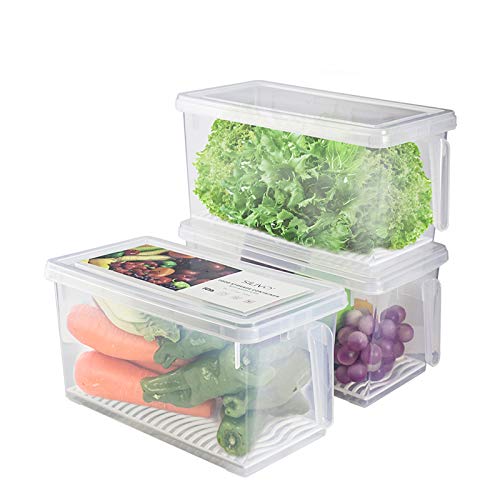
Keep Produce Fresh Longer: Produce saver containers for refrigerator helps prevent spoilage, keep fruits and vegetables crisp and stay longer.
Ideal Freezing Conditions
Store frozen romaine lettuce in a freezer set to 0°F (-18°C) or lower. The colder the environment, the better the preservation of its flavor and texture. Use a vacuum sealer for optimal results, as it removes excess air and prevents freezer burn. If a vacuum sealer isn’t available, ensure to expel as much air as possible from freezer bags before sealing. Place bags flat in the freezer for effective stacking and quicker freezing. Keep the bags in a designated area to avoid unnecessary openings that may affect temperature stability.
Labeling and Tracking
Label each package with the contents and freezing date. Use a permanent marker or a label maker for clear readability. Tracking dates helps you utilize your frozen lettuce within six to twelve months for best quality. A handy tip is to write down recipes on the label that use romaine, making it easy to incorporate it into meals. Regularly check your frozen inventory, rotating older packages to the front to use first. This practice prevents waste and ensures your greens stay fresh for future dishes.
Conclusion
Freezing romaine lettuce is a fantastic way to extend its life and reduce waste. By following the simple steps outlined, you can enjoy the benefits of this nutritious green long after you’ve bought it. Whether you choose to blanch or freeze it raw, you’ll find that it can add a delightful touch to your cooked meals.
Remember to store your frozen romaine properly to keep it fresh and flavorful. With a little planning and care, you can have delicious greens ready for soups, stir-fries, and smoothies anytime you need them. So go ahead and give freezing a try—you’ll be glad you did!
Frequently Asked Questions
How can I prevent romaine lettuce from spoiling quickly?
To prevent romaine lettuce from spoiling, store it in a cool, dry place and keep it in a breathable container. Wrapping it in paper towels can also help absorb moisture. Consider using it in salads soon after purchase or freezing any excess to extend its freshness.
What are the nutritional benefits of romaine lettuce?
Romaine lettuce is low in calories and packed with vitamins A, K, and C. It also provides essential minerals and dietary fiber, making it a nutritious choice for salads and other dishes.
Can you freeze romaine lettuce?
Yes, you can freeze romaine lettuce. While it may lose its crispness, it remains great for cooked dishes like soups and stir-fries. Proper preparation and storage are key to preserving its flavor and nutrients.
What is the best way to freeze romaine lettuce?
To freeze romaine lettuce, wash it thoroughly, dry it completely, cut it into desired sizes, and store it in freezer-safe bags or airtight containers. You can either blanch it first or freeze it directly after preparation.
Should I blanch romaine lettuce before freezing?
Blanching romaine lettuce is recommended but not required. Blanching helps maintain its color, flavor, and nutrients. If you choose not to blanch, ensure the lettuce is washed, dried, and stored properly to minimize freezer burn.
What should I do with frozen romaine lettuce?
Frozen romaine lettuce is best used in cooked dishes such as soups, stir-fries, smoothies, or casseroles. Avoid using it in fresh salads, as freezing can affect its texture and crispness.
How do I store frozen romaine lettuce?
Store frozen romaine lettuce in airtight containers or freezer-safe bags, removing as much air as possible. Keep your freezer at 0°F (-18°C) or lower, and label the containers with the date for easy tracking.
How often should I check my frozen romaine lettuce?
Regularly check your frozen romaine lettuce for freshness and quality. It’s recommended to rotate your inventory and use older items first to prevent waste and maintain texture and flavor.
