

Ever wondered how to save money on buying cucumber seeds each year? Imagine having an endless supply of seeds right from your own garden. Picture this: it’s harvest time, and you’re already planning next year’s cucumber patch without spending a dime on seeds. Exciting, isn’t it?
In this article, you’ll discover the simple yet rewarding art of collecting cucumber seeds. By learning this skill, you’ll not only become more self-sufficient but also deepen your connection to your garden. Get ready to unlock a world of possibilities as you master the art of seed saving.
Understanding Cucumber Seed Collection
When collecting cucumber seeds, it’s crucial to choose fully mature, ripe cucumbers to ensure the seeds inside are mature as well. Ripe cucumbers are typically larger and have a deep color.
- Step 1: Begin by selecting a healthy, mature cucumber from your garden.
- Step 2: Cut the cucumber open and scoop out the seeds into a bowl.
- Step 3: Rinse the seeds thoroughly to remove any excess pulp and debris.
- Step 4: Spread the seeds out on a paper towel and let them air dry for a few days.
- Step 5: Store the dried seeds in a cool, dry place in a labeled envelope or container until you’re ready to plant them.
By collecting and saving cucumber seeds, you’re not only saving money but also gaining a deeper connection to your garden. This practice empowers you to be more self-sufficient and sustainable in your gardening endeavors.
Selecting the Right Cucumbers for Seed Saving
When selecting cucumbers for seed saving, opt for open-pollinated varieties rather than hybrids. These varieties will produce seeds that remain true to the parent plant. Look for ripe cucumbers with vibrant color, firm texture, and mature seeds.
Choose cucumbers that have been on the vine for a while, as they are more likely to have fully developed seeds. Avoid overripe cucumbers, as they may have moldy or damaged seeds.
Additionally, organic cucumbers are preferable for seed saving to ensure that the seeds are free from chemical residues. Check for certified organic or chemical-free labels when possible.
Recommended Products

COMPACT SPACE-SAVING PLANTS – Dwarf bush cucumbers grow just 2–3 feet long, perfect for container gardening and small outdoor spaces

One Full Packet of “Japanese Long” Early Long Cucumber Seeds. Each cucumber is thin-skinned with a small to non-existent seed cavity when picked at 12 inches long. Each packet should yield over 100 pounds of cucumber over the average USA growing season.
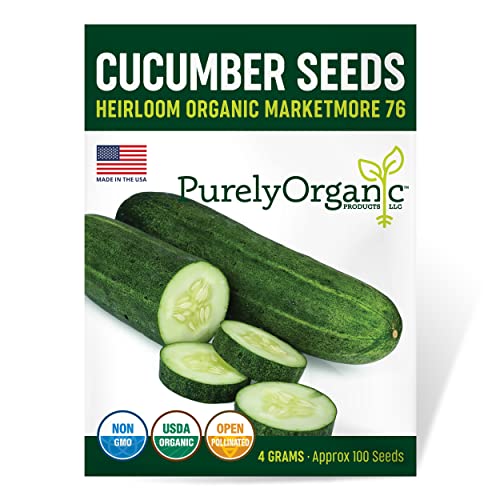
Cucumis Sativus: These finest quality, non-GMO, USDA Organic Marketmore Cucumber seeds produce hefty dark green, smooth fruits 8-9 inches long with a sweet and mild flavor ideal for slicing, salads, sandwiches and soups.
Harvesting Cucumber Seeds
When it comes to Harvesting Cucumber Seeds, there are a few key steps to follow to ensure success. Here are some essential tips to help you collect and save cucumber seeds effectively:
- Selecting Mature Cucumbers: Look for healthy, fully ripened cucumbers with well-developed seeds.
- Preparing the Cucumbers: Cut the cucumbers open and scrape out the seeds into a bowl or container.
- Separating Seeds from Pulp: Rinse the seeds in a sieve under cool water to remove any remaining pulp.
- Drying the Seeds: Spread the seeds out on a paper towel or tray in a well-ventilated area away from direct sunlight.
- Storing the Seeds: Once completely dry, store the seeds in a cool, dark place in a labeled envelope or container for future planting.
By following these steps, you can effectively harvest and store cucumber seeds for future planting. Remember, proper storage is crucial to ensure the seeds remain viable for the next growing season.
Recommended Products
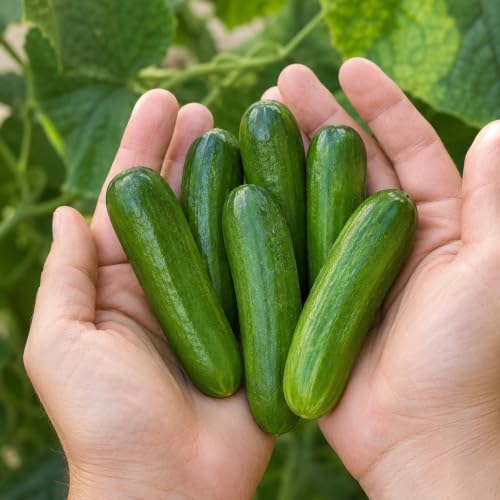
COMPACT & SPACE-SAVING VARIETY: Mini-Me cucumbers are bred for smaller gardens, containers, and raised beds without sacrificing productivity. Enjoy fresh vegetables even if you have limited outdoor space.

BURPLESS AND LOW ACID – Smooth-skinned cucumbers with no bitterness, ideal for easy digestion, fresh eating, or quick-pickling snacks

A specially bred for growing indoors self-pollinated cucumber to grow in containers on your windowsill or in the greenhouses
Cleaning and Storing Cucumber Seeds
When cleaning cucumber seeds, you’ll want to ensure they are free of any residue to prevent mold growth. Here are some essential steps to follow:
- Remove any remaining pulp from the seeds by rinsing them in water.
- Spread the seeds out on a flat surface to dry. Ensure they are not touching to prevent sticking.
For proper storage of cucumber seeds, keep these tips in mind:
- Store the seeds in a cool and dark place to maintain their viability.
- Use airtight containers to protect the seeds from moisture and pests.
Maintaining the quality of your cucumber seeds through effective cleaning and proper storage is crucial for successful planting in the future.
Benefits of Saving Cucumber Seeds
Saving cucumber seeds doesn’t just save you money. It gives you control over the quality of your produce. Here are some key benefits:
- Preserve Desirable Traits: Save seeds from your best cucumbers to cultivate plants with superior taste and texture.
- Cost-Efficiency: Avoid buying seeds every season by collecting and storing your own for future plantings.
- Self-Sustainability: Become more self-sufficient by relying on your own seed stock year after year.
- Genetic Diversity: By saving seeds, you contribute to maintaining genetic diversity in plant varieties.
- Adaptation: Over time, saved seeds adapt to your local growing conditions, leading to stronger, healthier plants.
- Environmental Impact: Reduce waste and lower your carbon footprint by reusing seeds instead of buying new ones each year.
Remember, saving cucumber seeds not only benefits your garden now but also lays the groundwork for successful harvests in the future.
Conclusion
You now understand the numerous benefits of collecting cucumber seeds. By preserving desirable traits, promoting self-sustainability, and contributing to genetic diversity, you’re not only saving money but also ensuring successful future harvests. Remember, saving cucumber seeds is a simple yet impactful way to support your garden and the environment. Happy seed saving!
Frequently Asked Questions
Why should I save cucumber seeds?
Saving cucumber seeds provides many benefits such as preserving desirable traits, ensuring self-sustainability, contributing to genetic diversity, promoting adaptation to local conditions, and reducing environmental impact. It also offers cost savings and sets the stage for successful future harvests.
How do I save cucumber seeds?
To save cucumber seeds, let a few fruits fully ripen on the vine until the skin turns yellow and soft. Scoop out the seeds, rinse them, and let them air dry completely. Store in a cool, dry place in a labeled container for future planting.
Can I use seeds from store-bought cucumbers?
It is possible to save seeds from store-bought cucumbers, but some may be hybrids and may not grow true to the parent plant. For best results, use seeds from open-pollinated or heirloom cucumber varieties.
