

Have you ever dreamed of plucking fresh, crisp cucumbers straight from your own garden? Picture this: it’s a warm summer day, and you step outside to harvest your very own homegrown cucumbers for a refreshing salad. Sounds delightful, doesn’t it?
But wait, are your cucumber plants not yielding the juicy fruits you envisioned? Don’t worry, you’re not alone. Many aspiring gardeners face challenges when it comes to growing cucumbers successfully.
Selecting the Right Cucumber Variety
When choosing the best cucumber variety for your garden,consider the following factors:
- Gherkins: Ideal for pickling due to their smaller size and firm texture.
- Slicers: Perfect for fresh consumption with a crisp and juicy taste.
- Kirbys: Known for their bumpy exterior, great for both pickling and eating fresh.
Remember to select a cucumber variety based on your preferences and intended use, whether for salads, pickling, or snacking straight from the vine.
Recommended Products

Heirloom, early-maturing favorite: Heirloom favorite boston cucumber seeds mature in 55-60 days, producing sweet, crunchy 2-6 inch picklers on vigorous vines with high yields for your vegetable garden and home garden seed collection.
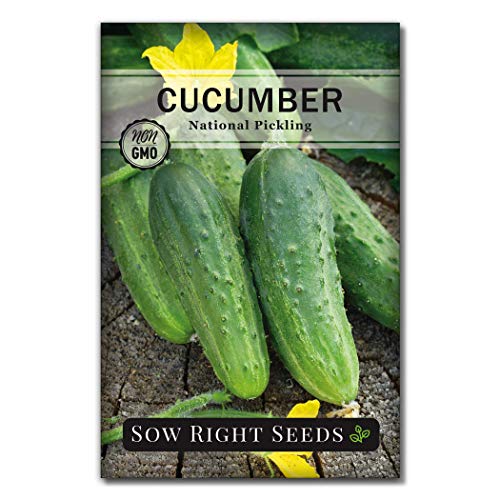
Beautiful - Full-color packet of National Pickling Cucumber seeds (Cucumis Sativus), a heavy producing self-pollinating variety that is burpless and wonderful for pickles or eating fresh. Sweet skins do not need to be peeled. Minimum of 1g per packet (about 39 seeds).

Heirloom, early-maturing favorite: Heirloom favorite boston cucumber seeds mature in 55-60 days, producing sweet, crunchy 2-6 inch picklers on vigorous vines with high yields for your vegetable garden and home garden seed collection.
Providing Adequate Sunlight and Water
To grow cucumbers successfully, remember that they love sunlight. Aim for at least 6-8 hours of direct sunlight each day for optimal growth. Ensure your cucumber plants receive consistent watering, particularly during dry spells.
To prevent issues like bitter taste in cucumbers, maintain consistent moisture levels in the soil. Consider mulching around the plants to retain soil moisture and reduce water evaporation.
When deciding on a watering schedule, pay attention to the weather conditions and soil moisture. Adjust your watering frequency as needed to keep the soil consistently moist but not waterlogged.
Remember, cucumbers are thirsty plants, so don’t wait for them to show signs of wilting before watering. A regular watering routine will help ensure healthy growth and abundant harvests.
Proper drainage is also crucial for cucumber plants. Make sure your soil is well-draining to prevent issues such as root rot.
Ultimately, by providing adequate sunlight and proper watering, you set the foundation for thriving cucumber plants in your garden.
Recommended Products

✔️Accurate - A helpful tool of water meter for indoor plants which senses the moisture in the soil around plants. No more guess if the plant needs more or less water
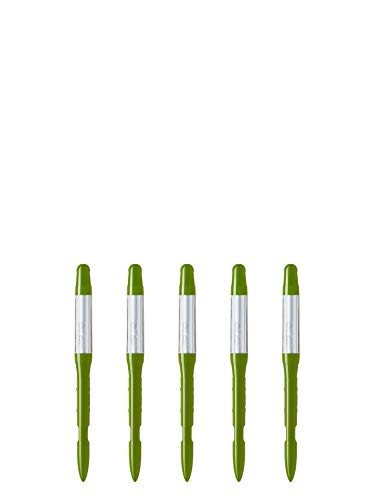
Dimensions: 0.4 x 0.3 x 4.7 inches (small) - Intended for pot sizes of 2, 2.5, and 3 - Ideal for small succulents
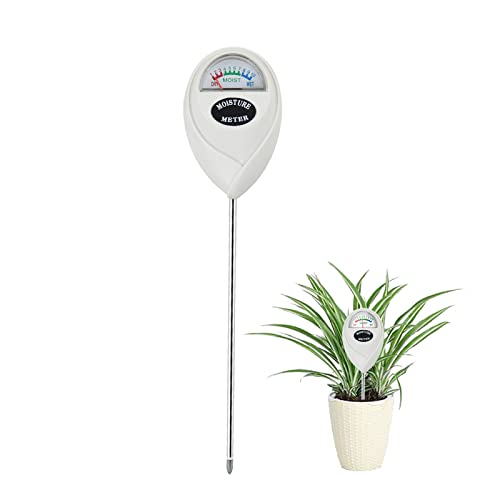
【SAVE YOUR PLANTS】: Over watering can cause problems with your plants or even kill them. This soil moisture meter helps you know the soil is dry, moist or wet.No more over watering!
Maintaining Soil Quality
To ensure optimal growth of your cucumber plants, it’s crucial to pay attention to the quality of the soil. Here are some essential tips to help you maintain soil quality effectively:
- Testing the Soil: Begin by testing your soil’s pH levels. Cucumbers thrive in slightly acidic soil, so aim for a pH range between 6.0 and 6.8. Adjust pH levels as needed based on the test results.
- Adding Organic Matter: Enhance soil fertility by incorporating compost or well-rotted manure into the soil. Organic matter improves soil structure, retains moisture, and provides essential nutrients for healthy cucumber growth.
- Mulching: Apply a layer of organic mulch around cucumber plants to suppress weed growth, conserve soil moisture, and maintain a consistent soil temperature. Mulching also helps prevent soil erosion and nutrient leaching.
- Avoiding Compaction: Steer clear of walking or compacting the soil around cucumber plants excessively. Soil compaction can hinder root growth, water infiltration, and nutrient absorption, impacting the overall health of the plants.
- Crop Rotation: Implement a crop rotation plan to prevent soil depletion and minimize the buildup of pests and diseases. Rotating cucumbers with other crops helps maintain soil health and promotes a more balanced ecosystem in your garden.
| Optimal Soil pH | 6.0-6.8 |
|---|
Managing Pests and Diseases
- Inspect your cucumber plants regularly. Look for signs of pests such as holes in leaves, chewed stems, or discoloration.
- Practice crop rotation. Avoid planting cucumbers in the same spot each year to minimize the risk of disease buildup in the soil.
- Encourage natural predators. Beneficial insects like ladybugs and spiders can help control pest populations in your garden.
- Remove affected leaves and plants promptly. Prune and discard any infected parts to prevent diseases from spreading.
- Use natural remedies. Consider Neem oil or diatomaceous earth to deter pests without harsh chemicals.
| Pest/Disease | Symptoms | Prevention and Treatment |
|---|---|---|
| Aphids | Sticky residue on leaves, stunted growth | Spray plants with a strong stream of water to remove aphids. |
| Powdery Mildew | White powdery spots on leaves | Ensure good air circulation and avoid overhead watering. |
| Cucumber Beetles | Yellowish beetles on plants | Handpick beetles or use row covers to protect plants. |
| Downy Mildew | Yellow patches on leaves | Apply fungicides early in the season to prevent spread. |
Recommended Products

3-IN-1 PLANT CARE: 3-In-1 Insect, Disease & Mite Control is insect control, disease control, and plant mite control all in on; Delivers protection for up to 14 days


Harvesting and Enjoying Your Cucumbers
When it comes to harvesting cucumbers, timing is crucial. Pick them when they are still firm and have a bright green color. Overripe cucumbers can be bitter and have a yellow hue. Here’s what you need to know about harvesting and enjoying your cucumbers:
- Regular Harvesting: Pick cucumbers every 2-3 days to encourage more fruit production.
- Using Pruning Shears: To harvest, use pruning shears and cut the stems about a quarter-inch above the cucumber to avoid damaging the vine.
- Enjoy Fresh: Enjoy the crispness of freshly picked cucumbers in salads, sandwiches, or as a refreshing snack.
- Preservation: If you have a surplus of cucumbers, try pickling them to enjoy the harvest throughout the year.
Nutritional Benefits: Cucumbers are rich in water content, making them a hydrating snack during hot summer days. They are also a good source of vitamin K and potassium.
Cucumber Recipe Ideas
- Cucumber Salad: Mix sliced cucumbers with tomatoes, onions, feta cheese, and a drizzle of olive oil for a refreshing salad.
- Cucumber Water: Add cucumber slices to water for a hint of freshness.
- Tzatziki Sauce: Blend cucumbers with yogurt, garlic, and dill for a delicious dip or sauce.
Interesting Fact
Did you know that cucumbers belong to the same family as pumpkins and watermelons?
| Nutrient | Amount per 100g |
|---|---|
| Vitamin K | 16.4 µg |
| Potassium | 147 mg |
| Water | 95% |
Conclusion
Growing cucumbers can be a rewarding experience that offers not only delicious cucumbers but also nutritional benefits. Remember to harvest them at the right time for optimal taste and texture. Enjoy fresh cucumbers in salads, infused in water, or as a tasty dip like tzatziki sauce. With their high water content and essential nutrients, cucumbers make a healthy addition to your diet. Don’t forget that cucumbers are versatile and can be preserved through pickling for future enjoyment. Keep in mind that cucumbers are part of the same family as pumpkins and watermelons, adding a fun twist to your gardening knowledge. Happy cucumber growing!
Frequently Asked Questions
1. When is the best time to harvest cucumbers?
Harvest cucumbers when they are firm and bright green, every 2-3 days for optimal freshness.
2. How should I harvest cucumbers from the vine?
Use pruning shears to carefully cut the cucumbers from the vine to avoid damaging the plant.
3. What are the nutritional benefits of cucumbers?
Cucumbers are rich in water, vitamin K, and potassium, making them a healthy addition to your diet.
4. How can I enjoy cucumbers in my meals?
You can eat cucumbers fresh in salads, infuse them in water, or make creamy tzatziki sauce with them.
5. Can cucumbers be preserved?
Yes, cucumbers can be preserved through pickling to enjoy their crispness and flavor for a longer duration.
6. Which other vegetables belong to the same family as cucumbers?
Cucumbers belong to the same family as pumpkins and watermelons, sharing some genetic similarities.
