

Ever wondered how tall those vibrant beets in your garden can actually grow? Picture this: you’re tending to your vegetable patch, and as the beets shoot up, you start to question just how high they’ll reach. Well, you’re in for a treat because we’re about to uncover the fascinating growth potential of these root veggies!
Exploring Beet Growth
Exploring Beet Growth
When considering the height of beets, it’s essential to understand their growth patterns. Beets typically grow between 1 to 3 feet tall, with the actual height varying depending on the specific variety and growing conditions.
The growth process of beets can be divided into distinct stages:
- Germination: After planting, beet seeds usually germinate within 5 to 14 days, emerging as small seedlings.
- Vegetative Growth: During this stage, the beet plant develops its leaves and establishes a strong root system.
- Bulb Formation: As the plant matures, it focuses its energy on bulb development underground, which contributes to its ultimate height.
Factors that influence the height of beets include:
- Variety: Different beet varieties have varying growth habits and heights.
- Soil Quality: Nutrient-rich, well-draining soil can promote healthy beet growth.
- Spacing: Proper spacing between beet plants allows each to access adequate sunlight and nutrients.
- Planting Depth: Sow beet seeds about half an inch deep in loose soil for best results.
- Watering: Keep the soil consistently moist but not waterlogged to support healthy growth.
- Thinning: Thinning seedlings to the recommended spacing prevents overcrowding and promotes better growth.
Factors Affecting Beet Height
Growing beets to their optimal height requires attention to various factors that influence their development. Understanding these key elements can help you cultivate robust and flourishing beet plants. Here are some factors to consider:
- Variety: Different beet varieties have varying growth characteristics, including height potential. Choose a variety that aligns with your desired beet size.
- Soil Quality: Ensure the soil is loose, well-draining, and rich in nutrients to support healthy root development, allowing beets to reach their full height.
- Spacing: Proper spacing between beet plants is crucial to prevent overcrowding, which can stunt their growth. Follow recommended spacing guidelines for optimal results.
- Planting Depth: Planting beets at the correct depth is essential for their growth. Shallow planting may limit their height potential, while planting too deep can hinder germination.
- Watering: Consistent and adequate watering is vital for beet growth. Failure to provide sufficient moisture can impede their development and restrict height.
- Thinning: Thinning overcrowded beet seedlings is necessary to ensure each plant has enough room to grow and reach its maximum height. Avoid overcrowding to promote healthy growth.
By paying close attention to these influencing factors, you can nurture your beet plants effectively and encourage them to achieve their full height potential.
Ideal Conditions for Tall Beets
When aiming for maximum height in your beet plants, there are key factors to consider that can significantly influence their growth. Here’s what you need to create the ideal conditions for tall beets:
- Soil Quality: Ensure your soil is loose, well-draining, and rich in organic matter to support healthy root development.
- Sunlight Exposure: Pick a spot with full sun where your beets can receive at least 6-8 hours of sunlight daily for optimal growth.
- Watering: Beets prefer consistently moist but not waterlogged soil. Keep the soil evenly moist by watering regularly.
- Thinning: Adequate spacing between plants (about 3-4 inches) allows beets to grow without competition, promoting vertical growth.
- Fertilization: Use a balanced fertilizer or organic compost to provide essential nutrients for healthy beet growth.
- Pest & Disease Management: Monitor your plants regularly for pests and diseases, addressing any issues promptly to prevent stunted growth.
By creating these ideal conditions, you’ll give your beets the best chance to thrive and reach impressive heights in your garden.
Recommended Products

NUTRIENT-RICH, NATURAL, AND ORGANIC SOIL: Grow a bountiful garden in your home with the Back to the Roots All-Purpose Natural and Organic Peat-Free 3-in-1 Seed Starting Mix, packed with the nutrients needed for your plants, flowers, and vegetables to thrive

Miracle-Gro Indoor Potting Mix for Seed Starting grows stronger roots for seeding success (vs unfed when used as directed)

CONTAINS: This organic Seed Stating soil mix is a rich blend of sphagnum peat moss & perlite with yucca extract and lime to ensure correct pH.
Tips for Maximizing Beet Growth
- Ensure adequate sunlight for your beets.
- Water consistently but avoid overwatering.
- Implement proper thinning to allow sufficient spacing.
- Use quality fertilizers as needed.
- Monitor for pests and diseases regularly.
| Fact | Data |
|---|---|
| Optimal height | 1-2 feet |
| Water needs | 1-2 inches per week |
| Sunlight | 6-8 hours daily |
Recommended Products

PRECISE SOIL TEMPERATURE READINGS: Measures soil temperatures from 20 degrees F to 180 degrees F (0 degrees C to 80 degrees C) with a large, easy-to-read analog dial face - no batteries or digital screens needed for reliable results every time

Easy-to-read green, yellow, and red tick marks for easy monitoring
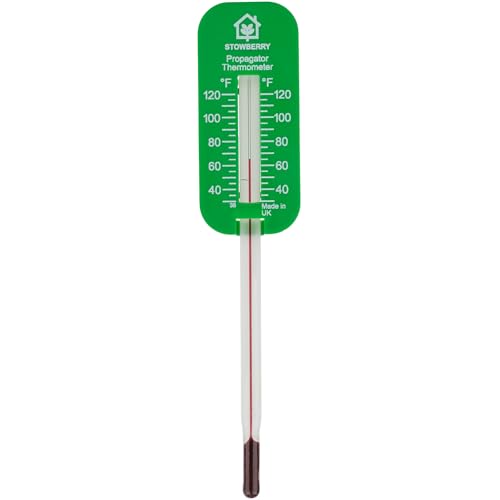
ACCURATE SOIL TEMPERATURE READINGS – Ensure the perfect growing environment for seeds and plants with this greenhouse soil thermometer, designed to give reliable and precise temperature measurements.
Conclusion
So, there you have it – the key factors to consider for growing tall and healthy beets. Remember to give your beets plenty of sunlight, water them just right, space them out properly, feed them well, and keep an eye out for any unwanted guests. By following these guidelines, you’ll be on your way to cultivating beets that reach their full potential in no time. Happy growing!
Frequently Asked Questions
What are the key factors for maximizing beet growth?
To maximize beet growth, ensure they receive 6-8 hours of sunlight daily, maintain consistent watering of 1-2 inches per week, properly space and thin them, provide quality fertilizers, and monitor for pests and diseases regularly.
How tall should beets grow ideally?
Beets should ideally reach a height of 1-2 feet for optimal growth.
How much water do beets need per week?
Beets require 1-2 inches of water per week to thrive and develop properly.
How many hours of sunlight do beets need daily?
Beets need 6-8 hours of sunlight daily to facilitate photosynthesis and promote healthy growth.
