Close Menu
    Veggie Knowledge
    • Home
    • Grow Vegetables
      • Carrots
      • Cucumbers
      • Broccoli
      • Green Beans
      • Beets
    • Gardening Advice
    • Tools
    • Free eBook
    • About
      • Contact
      • Privacy Policy
    Veggie Knowledge
    Home»Broccoli»Optimal Broccoli Fertilization Schedule: Timing and Tips
    Broccoli

    Optimal Broccoli Fertilization Schedule: Timing and Tips

    Lucy StoneBy Lucy StoneApril 19, 20245 Mins Read
    Share Facebook Pinterest
    Share
    Facebook Pinterest

    Ever wondered why your broccoli plants aren’t thriving as you hoped? Are you struggling to figure out the right balance for fertilizing them? Picture this: you’ve put in the effort to grow your own broccoli, but it’s not reaching its full potential due to a lack of proper nourishment.

    Contents show
    1 Importance of Fertilizing Broccoli
    1.1 Ensuring Proper Nutrient Absorption
    1.2 Boosting Plant Health
    1.3 Maximizing Yields
    2 Understanding Broccoli Nutrient Needs
    3 Signs of Under or Overfertilization
    4 Best Timing for Fertilizing Broccoli
    5 Conclusion
    6 Frequently Asked Questions
    6.1 What are the signs of underfertilization in broccoli plants?
    6.2 How can I recognize overfertilization symptoms in broccoli plants?
    6.3 When is the best time to fertilize broccoli plants for optimal growth?
    6.4 Why is it essential to avoid overfertilizing broccoli plants?

    In this article, you’ll uncover the secrets to fertilizing your broccoli at the perfect intervals. By understanding how often to fertilize, you’ll be able to give your broccoli the nutrients it needs to flourish. Stay tuned to learn how you can achieve the broccoli garden of your dreams with just the right amount of fertilizer.

    Importance of Fertilizing Broccoli

    Fertilizing your broccoli plants is crucial for their growth and development. Skipping this step could result in stunted plants with poor yields.

    Ensuring Proper Nutrient Absorption

    Fertilizing at the right times ensures your broccoli gets the nutrients it needs.

    Boosting Plant Health

    Regular fertilization helps strengthen your plants, making them more resilient to pests and diseases.

    Maximizing Yields

    Proper fertilization can lead to higher yields of nutrient-rich broccoli heads.

    • Remember to follow specific guidelines for broccoli fertilization to achieve the best results.
    • Monitor your plants for any signs of deficiency and adjust your fertilization schedule accordingly.
    Important data
    Optimal frequency:Every 3-4 weeks
    Best fertilizer type:Balanced NPK fertilizers
    Ideal time:Early morning or late afternoon

    Understanding Broccoli Nutrient Needs

    Fertilizing your broccoli plants is crucial to provide them with essential nutrients for optimal growth and development. Broccoli has specific nutrient requirements that must be met to ensure healthy plant growth and high yields.

    • Nitrogen (N), phosphorus (P), and potassium (K) are the primary nutrients that broccoli plants need in balanced amounts.
    • Nitrogen is essential for leafy green growth and overall plant vigor.
    • Phosphorus aids in root development and flower production.
    • Potassium helps in disease resistance and overall plant health.
    MUST READ:  How to Successfully Grow Broccoli in Texas: Essential Care Tips for a Bountiful Harvest

    Broccoli plants require regular feeding to meet these nutrient needs throughout their growth cycle. By adhering to a fertilization schedule, you can ensure that your plants receive the right nutrients at the right time.

    • Fertilize your broccoli every 3-4 weeks with a balanced NPK fertilizer to promote healthy growth.
    • Apply fertilizer early in the morning or late in the afternoon to avoid stressing the plants during the heat of the day.

    Remember to monitor your plants for any signs of nutrient deficiency, such as yellowing leaves or stunted growth. Adjust your fertilization routine as needed to address any deficiencies promptly.

    By understanding and meeting your broccoli plants’ nutrient needs, you can support their growth and increase your chances of a bountiful harvest.

    Recommended Products

    All Purpose NPK Fertilizer – Complete Liquid Plant Food for Balanced Nutrition, Vigorous Growth & Strong Root Development, 8 oz
    All Purpose NPK Fertilizer – Complete Liquid Plant Food for Balanced Nutrition, Vigorous Growth & Strong Root Development, 8 oz

    Balanced All Purpose NPK Fertilizer – Complete NPK fertilizer designed to deliver essential nutrients for overall plant health and development.
    VIEW LATEST PRICE

    As an affiliate, we earn on qualifying purchases.

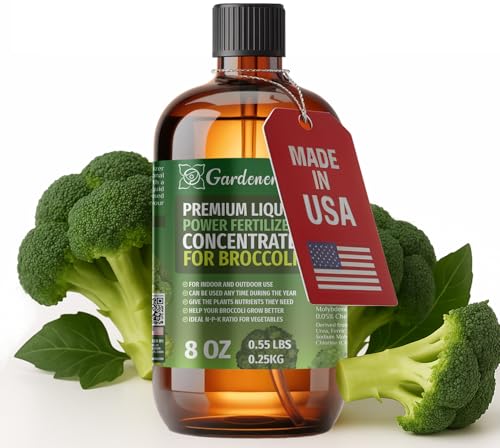
    Liquid Power Broccoli Fertilizer - Professional Liquid Plant Food for Broccoli - Fast-Acting Concentrate for Growth, Strong Roots & High-Yield Harvest - 8 oz - Indoor & Outdoor Use
    Liquid Power Broccoli Fertilizer - Professional Liquid Plant Food for Broccoli - Fast-Acting Concentrate for Growth, Strong Roots & High-Yield Harvest - 8 oz - Indoor & Outdoor Use

    🥦 CUSTOMIZED FOR BROCCOLI DEVELOPMENT – Gardenera LIQUID POWER Broccoli Fertilizer is specially formulated to promote vigorous growth, tight crown formation, and bold green heads across all broccoli types including Calabrese, Romanesco, and sprouting varieties.

    VIEW LATEST PRICE

    As an affiliate, we earn on qualifying purchases.

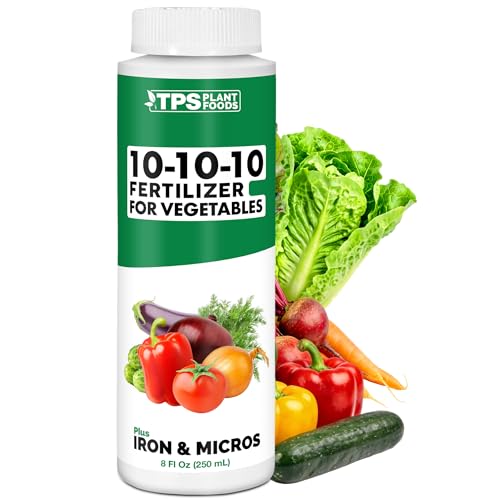
    10-10-10 Fertilizer for Trees & Shrubs, Balanced NPK + Iron & Micros, 32 oz
    10-10-10 Fertilizer for Trees & Shrubs, Balanced NPK + Iron & Micros, 32 oz

    Supports Roots, Foliage & Structure – Helps encourage strong roots and steady plant development.

    VIEW LATEST PRICE

    As an affiliate, we earn on qualifying purchases.

    Signs of Under or Overfertilization

    Underfertilization:

    • Stunted growth.
    • Yellowing leaves.
    • Thin stems.
    • Delayed maturity.

    Overfertilization:

    • Leaf burn.
    • Excessive foliage at the expense of flowers and broccoli heads.
    • Reduced yield.
    • Soil acidity imbalance.
    • Regularly monitor your plants for signs of nutrient deficiency or excess.
    • Adjust your fertilization schedule accordingly based on the observed symptoms.
    • Use a soil test kit to determine nutrient levels and pH balance.
    • Follow the recommended dosages on the fertilizer package to prevent overapplication.
    • Maintain a consistent fertilization routine to provide steady nutrition without overwhelming the plants.
    MUST READ:  When Does Broccoli Grow Best: A Guide to Timing & Harvesting

    Remember, finding the right balance in fertilization is key to promoting healthy growth and maximizing your broccoli harvest.

    Recommended Products

    MySoil Soil Test Kit, Unlock Your Lawn & Garden Potential, Complete & Accurate Nutrient and pH Analysis with Recommendations Tailored to Your Soil and Plant Needs
    MySoil Soil Test Kit, Unlock Your Lawn & Garden Potential, Complete & Accurate Nutrient and pH Analysis with Recommendations Tailored to Your Soil and Plant Needs

    KNOW BEFORE YOU GROW | Grow the healthiest, sustainable lawn and garden with the most accurate and easy to use professional soil test kit on the market

    VIEW LATEST PRICE

    As an affiliate, we earn on qualifying purchases.

    Rapitest Soil Test Kit for Gardens, Vegetables, Flowers and Lawns. USA designed and assembled soil tester completely, quickly and accurately measures/analyzes soil pH acidity and garden nutrients.
    Rapitest Soil Test Kit for Gardens, Vegetables, Flowers and Lawns. USA designed and assembled soil tester completely, quickly and accurately measures/analyzes soil pH acidity and garden nutrients.

    Quick, at home results for Soil pH, Nitrogen, Phosphorous and Potash Innovative and inexpensive soil test kit features an easy-to-use capsule system and patented color comparators

    VIEW LATEST PRICE

    As an affiliate, we earn on qualifying purchases.

    Soil Test Kit – 100 Soil pH Test Strips (3.5–9 Range) for Garden, Lawn & Indoor Plants – Easy At-Home Soil Testing
    Soil Test Kit – 100 Soil pH Test Strips (3.5–9 Range) for Garden, Lawn & Indoor Plants – Easy At-Home Soil Testing

    Accurate Soil pH Testing: Dewildetradingco Soil pH Test Strips offer measurements of soil pH levels (pH 3.5-9). As an essential tool for every gardener and grower, these test strips help determine the optimal pH for various plants, such as outdoor plants, indoor plants, gardens, grass lawns, fruit trees, flowers, vegetables, and forest shrubs.

    VIEW LATEST PRICE

    As an affiliate, we earn on qualifying purchases.

    Best Timing for Fertilizing Broccoli

    When it comes to fertilizing broccoli, timing is key. Here are some essential tips to help you determine the best timing for fertilizing your broccoli plants:

    • Early Stage: In the early stages of growth, broccoli seedlings are developing their root system, making it crucial to provide them with nutrients.
    • After Transplanting: After transplanting your seedlings, it’s important to wait about 3-4 weeks before applying fertilizer.
    • Mid-Growth: During the mid-growth stage, when your broccoli plants are developing heads, consider fertilizing with a nitrogen-rich fertilizer to support healthy leaf and head growth.
    • Avoid Overfertilization: Be cautious not to overfertilize, as this can lead to nutrient imbalances and affect the overall health of your broccoli plants.
    MUST READ:  How to Harvest and Store Broccoli Microgreens: A Comprehensive Guide

    Recommended Products

    True Organic Blood Meal – High-Nitrogen Organic Fertilizer for Rapid Vegetative Growth – 3lb Bag Covers 104 Sq. Ft.
    True Organic Blood Meal – High-Nitrogen Organic Fertilizer for Rapid Vegetative Growth – 3lb Bag Covers 104 Sq. Ft.

    Encourages Rapid Growth: True Organic Blood Meal is perfect for heavy feeders like corn, spinach, broccoli, and leafy greens, promoting vigorous vegetative growth.
    VIEW LATEST PRICE

    As an affiliate, we earn on qualifying purchases.

    Burpee Organic Blood Meal Fertilizer | Add to Potting Soil | Excellent Natural Source of Nitrogen | for Tomatoes, Spinach, Broccoli, Leafy Greens | 3 lb, 1-Pack
    Burpee Organic Blood Meal Fertilizer | Add to Potting Soil | Excellent Natural Source of Nitrogen | for Tomatoes, Spinach, Broccoli, Leafy Greens | 3 lb, 1-Pack

    GROW STRONGER PLANTS: Blood meal is an effective starter fertilizer and excellent source of nitrogen for green garden vegetables and colorful flower blooms. This natural soil amendment helps to promote bountiful growth and yield throughout your growing season.

    VIEW LATEST PRICE

    As an affiliate, we earn on qualifying purchases.

    Nitrogen for Plants – Liquid Fertilizer for Deep Green Growth, 8 oz
    Nitrogen for Plants – Liquid Fertilizer for Deep Green Growth, 8 oz

    Made for Nitrogen Support – Formulated to supply nitrogen for essential plant nutrition.

    VIEW LATEST PRICE

    As an affiliate, we earn on qualifying purchases.

    Conclusion

    Remember, proper fertilization is key to ensuring your broccoli plants thrive. By being attentive to signs of under or overfertilization, adjusting your fertilization schedule accordingly, and timing your fertilization correctly, you can support healthy root, leaf, and head growth in your broccoli plants. Avoid overfertilizing to prevent nutrient imbalances that may harm your plants. With these tips in mind, you’ll be on your way to growing robust and nutritious broccoli in your garden. Happy gardening!

    Frequently Asked Questions

    What are the signs of underfertilization in broccoli plants?

    Underfertilization signs in broccoli include slow growth, pale leaves, and sparse heads. Adjust by applying a balanced fertilizer to promote healthy development.

    How can I recognize overfertilization symptoms in broccoli plants?

    Overfertilization symptoms in broccoli may include burnt leaf edges, stunted growth, and nutrient deficiencies. Be cautious and maintain a proper fertilization schedule.

    When is the best time to fertilize broccoli plants for optimal growth?

    Fertilize broccoli plants early for root development, after transplanting to avoid transplant shock, and during mid-growth with a nitrogen-rich fertilizer.

    Why is it essential to avoid overfertilizing broccoli plants?

    Overfertilizing can lead to nutrient imbalances, affecting plant health and growth. Balance fertilizer application to prevent harm to broccoli plants.

    Share. Facebook Twitter Pinterest LinkedIn Tumblr WhatsApp Email
    Previous ArticleAre Lemon Cucumber Water Health Benefits Worth Trying? Discover the Nutritional Power
    Next Article Optimize Carrot Growth: Maximizing Sunlight Exposure for Bountiful Harvests
    lucy stone
    Lucy Stone

      Hi, I'm Lucy! As a passionate gardener and writer for Veggie Knowledge, I've dedicated my life to exploring the secrets of successful vegetable growing. My love for gardening blossomed in my grandmother's backyard, where I learned how much joy a single plant can bring. I aim to share that joy through practical tips and insightful advice, helping you cultivate your own thriving garden

      Related Posts

      When and How to Harvest Broccoli

      August 28, 2026

      Why Broccoli Is Not Forming Heads

      August 28, 2026

      Why Broccoli Bolts and How to Prevent It

      August 28, 2026

      Common Broccoli Pests and How to Manage Them

      August 28, 2026
      Leave A Reply Cancel Reply

      Affiliate Disclosure

      As an Amazon Associate, I earn from qualifying purchases.

      Recommended Reading

      Seasonal Vegetable Planting Guide

      Tips and Advice

      Vegetable Companion Planting Guide

      Tips and Advice

      Raised Bed Gardening Guide

      Tips and Advice

      Vegetable Garden Watering Guide

      Tips and Advice

      Vegetable Garden Soil Guide

      Tips and Advice

      How to Diagnose Common Vegetable Plant Problems

      Tips and Advice

      How to Plan a Vegetable Garden

      Tips and Advice

      Complete Beginner’s Guide to Vegetable Gardening

      Tips and Advice
      Veggie Knowledge
      • Grow
        • Carrots
        • Cucumbers
        • Broccoli
        • Green Beans
        • Beets
      • Veggie Knowledge
        • Editorial Policy
        • Corrections Policy
        • About
        • Contact
        • Advertising Disclosure
        • Privacy
        • Terms
        • AI & Technology Policy
      • Learn
        • Beginner Vegetable Gardening
        • Garden Planning
        • Soil
        • Watering
        • Raised Beds
        • Troubleshooting
      • Tools
        • Raised Bed Soil Calculator
        • Vegetable Plant Spacing Calculator
      © 2026 Veggie Knowledge

      Type above and press Enter to search. Press Esc to cancel.