

Ever wondered why your cucumber plants aren’t thriving as expected? How often should you water those green beauties to ensure a bountiful harvest? Picture this: you diligently care for your cucumber plants, but they seem to be struggling despite your efforts. Fret not, as we’re here to guide you on the perfect watering routine for your cucumber patch.
Understanding a Cucumber Plant’s Water Needs
To achieve a successful cucumber harvest, it’s crucial to grasp your plant’s water requirements. Here’s what you need to know:
- Cucumbers need consistent watering to thrive. Inconsistent watering can lead to issues like bitter tasting fruit and poor growth.
- Factors influencing watering frequency include soil type, weather conditions, and plant size. Hotter weather and sandy soils may require more frequent watering.
- Check the soil moisture regularly by feeling the soil. If it’s dry about an inch below the surface, it’s time to water.
- Early morning is the best time to water your cucumber plants. This allows for optimal absorption before the heat of the day.
Tips for Watering Cucumber Plants
- Water deeply, ensuring the soil is moist down to 6 inches to encourage healthy root growth.
- Avoid overhead watering to prevent fungal diseases. Instead, use a soaker hose or deliver water at the base of the plant.
- Mulch around your plants to retain moisture and reduce water evaporation from the soil.
| Important Facts | Data |
|---|---|
| Cucumbers require consistent watering | 1-1.5 inches per week |
| Best time to water | Early morning |
| Moisture depth for watering | 6 inches |
By understanding and meeting your cucumber plant’s water needs, you can ensure a bountiful harvest.
Recommended Products
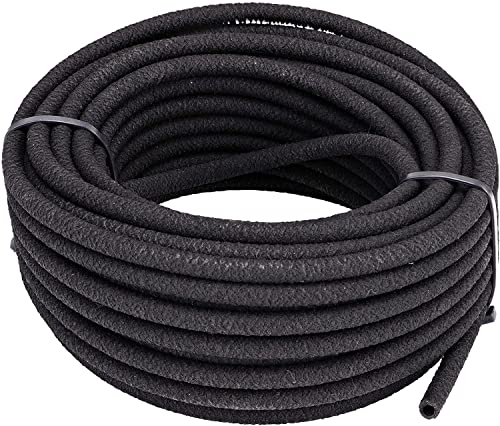
Slowly waters the soil around your plants for complete root zone hydration; Ideal for short runs on flat surfaces, such as vegetable gardens, borders, and around small plants
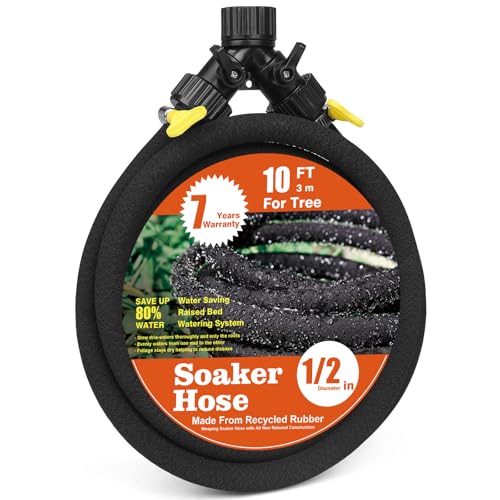
Tree soaker hose 10 FT Length with Extra Clamps and Washers.

1/2 Inch Lightweight & Eco-Conscious Design - Engineered with a 1/2 inch diameter to deliver consistent, gentle water output, tailored for efficient irrigation across small to large outdoor spaces. Its lightweight design ensures easy handling, while its eco-conscious structure prioritizes root proximity—laying the groundwork for minimal water loss and aligning with sustainable gardening practices from the start.
Factors Affecting Watering Frequency for Cucumber Plants
To determine how often you should water cucumber plants, it’s essential to consider several key factors that can influence their watering needs. Here are some important aspects to keep in mind:
- Weather Conditions: Hot and dry weather increases the rate of evaporation, requiring more frequent watering to keep the soil consistently moist.
- Soil Type: Well-draining soil allows for better water absorption and prevents waterlogging, which can lead to root rot.
- Plant Growth Stage: Young plants and those in bloom may require more frequent watering compared to mature plants.
- Container Size: Cucumber plants in smaller containers may dry out faster and need more regular watering.
- Mulching: Applying mulch helps retain soil moisture and reduces the frequency of watering.
By understanding these factors, you can tailor your watering schedule to meet the specific needs of your cucumber plants and ensure healthy growth and a bountiful harvest.
Signs of Overwatering and Underwatering Cucumber Plants
When it comes to overwatering your cucumber plants, yellowing leaves, mold growth, or a foul smell are common signs. On the other hand, underwatering may cause wilting leaves, a droopy appearance, or dry, crispy leaves.
Ensure the soil is moist but not waterlogged for healthy cucumber plants. You can stick your finger into the soil to check for dampness.
Remember, consistency in watering is key to maintaining the health of your cucumber plants.
Recommended Products

Accurate Soil Moisture Detection: The XLUX Soil Moisture Meter can tell you if the soil deep inside your pot or garden is dry, moist or wet; whereas your eyes and fingers can only determine the moisture level of the soil surface. The probe is 5.5 inches (14 cm) longer than regular styles, allowing it to measure the soil moisture at the bottom of larger and deeper flower pots.
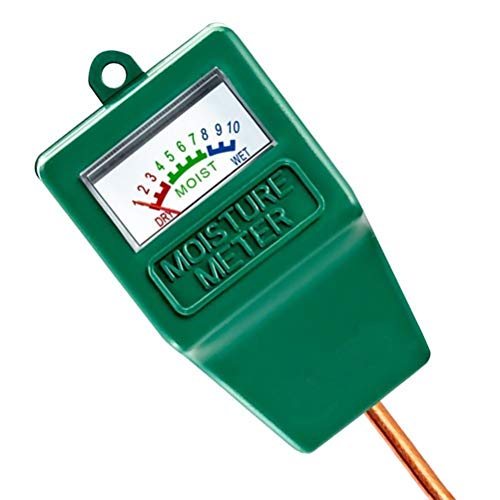
Soil Moisture Meter: This single probe soil moisture meter is specially designed for testing the moisture level in the soil, helps you decide whether the plants need water or not, helps to keep plants alive.

✔️Accurate - A helpful tool of water meter for indoor plants which senses the moisture in the soil around plants. No more guess if the plant needs more or less water
Best Practices for Watering Cucumber Plants
When it comes to watering cucumber plants, following some best practices can ensure they thrive. Here are a few tips to keep in mind:
- Consistency: Water your plants regularly to maintain soil moisture without waterlogging.
- Morning Watering: It’s best to water your cucumber plants in the morning to allow leaves to dry off during the day.
- Root Zone: Direct water to the base of the plants to reach the root zone effectively.
- Deep Watering: Ensure the water penetrates deeply into the soil to promote healthy root growth.
- Mulching: Consider mulching around plants to retain moisture and reduce water evaporation.
- Established Plants: Once cucumber plants are established, ensure they receive about 1-1.5 inches of water per week.
- Signs of Overwatering: Watch out for wilting leaves or yellowing as signs of overwatering.
- Signs of Underwatering: Conversely, wilted leaves and dry soil may indicate underwatering.
Remember, knowing how often to water your cucumber plants is crucial for their growth and productivity.
Recommended Products

【Adjustable valve】 The flow rate can be controlled. The plant watering Device with control valve can control the dripping speed of 0-62 s/drip, and the sustained drip lasts for 1-12 days, The bigger the bottle of water, the longer they water your plants; Water discharge is approx Only adjust the valve to Meet your needs without complicated setup steps.

🌱 Adjustable Water Flow Control: Easily regulate the watering speed to meet each plant's specific needs – twist outward for faster flow (up to 30 drops/min), twist inward for slower drip rate (as low as 2 drops/min). Customize the watering for succulents, ferns, herbs, and more.

Adjustable Valve: The flow rate can be controlled. The plant watering Device with control valve can control the dripping speed of 0-60 s/drip, and the sustained drip lasts for 1-15 days. Only adjust the valve to Meet your needs
Conclusion
Remember, watering your cucumber plants consistently and correctly is key to their health and productivity. By following the tips mentioned in this article, such as watering in the morning, focusing on the root zone, deep watering, mulching, and providing the right amount of water per week, you can ensure your plants thrive. Keep an eye out for signs of overwatering and underwatering to adjust your watering schedule accordingly. By understanding and meeting the watering needs of your cucumber plants, you’ll set them up for success and enjoy a bountiful harvest. Happy gardening!
Frequently Asked Questions
How often should I water my cucumber plants?
Consistently water cucumber plants, preferably in the morning, to keep the soil consistently moist but not waterlogged. Watering frequency may vary depending on weather conditions and soil type, but aim for providing 1-1.5 inches of water per week for established plants.
Where should I direct the water when watering cucumber plants?
When watering cucumber plants, direct the water towards the root zone at the base of the plant. Avoid overhead watering, as it can lead to foliage diseases. Deep watering encourages healthy root growth and helps the plants establish a strong foundation.
How can I prevent overwatering or underwatering my cucumber plants?
To prevent overwatering, monitor the soil moisture level regularly and look out for signs of wilting leaves and yellowing. For underwatering, check the soil moisture by sticking your finger into the soil. Wilted leaves and dry soil are indications of underwatering. Adjust watering based on the plant’s needs and environmental conditions.
Why is mulching important for watering cucumber plants?
Mulching around cucumber plants helps retain soil moisture by reducing evaporation, regulating soil temperature, and suppressing weed growth. Organic mulches like straw or compost also enrich the soil as they decompose, promoting healthier plant growth and productivity.
