

Are you wondering how often you should water your lettuce to keep it fresh and crisp? You’re not alone. Many gardeners struggle with finding the right balance between too much and too little water, leading to wilted leaves or even root rot.
Key Takeaways
- Consistent Moisture is Key: Lettuce thrives in evenly moist soil; avoid letting it become soggy or too dry.
- Factors Influencing Watering: Temperature, soil type, and growth stage all dictate how often to water your lettuce.
- Ideal Watering Practices: Water deeply, aiming for 1-2 inches per week, and check soil moisture before watering.
- Signs of Overwatering: Look for yellow leaves, wilting, or mushy stems to identify excess moisture issues.
- Signs of Underwatering: Monitor for drooping leaves, crispy edges, and dry soil to prevent dehydration.
- Adjust for Conditions: Tailor your watering frequency based on weather patterns and your lettuce’s specific variety.
Understanding Lettuce Watering Needs
Lettuce requires consistent moisture to thrive. This leafy green prefers soil that remains evenly moist but not soggy. Watering frequency depends on several factors, including weather, soil type, and growth stage.
Recommended Products

Trusted Since 2015: Become one of the many plant lovers who rely on the proven accuracy of XLUX. Established in 2015, our soil moisture meter has earned over 60,000+ verified ratings for its consistent performance. While many many newer brands come and go, we provide the long-term reliability and quality that American households have trusted for over a decade.

【SAVE YOUR PLANTS】: Over watering can cause problems with your plants or even kill them. This soil moisture meter helps you know the soil is dry, moist or wet.No more over watering!

Soil Moisture Meter: This single probe soil moisture meter is specially designed for testing the moisture level in the soil, helps you decide whether the plants need water or not, helps to keep plants alive.
Factors Influencing Watering Frequency
- Temperature: In hot weather, you may need to water daily. Lettuce absorbs more moisture under intense sunlight.
- Soil Type: Sandy soils drain quickly, necessitating more frequent watering. Clay soils hold moisture longer, reducing the need for regular watering.
- Growth Stage: Young lettuce plants require more water as they establish their root systems. Mature plants can tolerate slightly drier conditions.
Ideal Watering Practices
- Check Soil Moisture: Stick your finger about an inch into the soil. If it feels dry, it’s time to water.
- Water Deeply: Aim for about one to two inches of water per week, adjusting based on rainfall and temperature.
- Water in the Morning: Watering early allows plants to absorb moisture before the heat of the day.
- Overwatering: Look for yellow leaves or wilting plants. These can indicate root rot.
- Underwatering: Watch for drooping leaves or a dry, cracked surface. This shows your lettuce is thirsty and may result in bitterness.
By considering these factors and practices, you can effectively meet your lettuce’s watering needs, ensuring a healthy, vibrant crop.
Factors Affecting Watering Frequency
Understanding the factors that influence how often you water your lettuce can help maintain healthy plants. Key elements include soil type, climate conditions, and the specific variety of lettuce.
Soil Type
Soil type plays a crucial role in determining watering frequency. Well-draining soils like sandy loam require more frequent watering since they lose moisture quickly. Conversely, clay soils retain water longer, which may lead to less frequent watering. If you’re unsure about your soil type, conduct a simple test: take a handful of soil, squeeze it, and observe how it holds its shape. Loose, crumbly soil suggests good drainage, while compact, sticky soil indicates a need for reduced watering.
Climate Conditions
Climate conditions significantly impact evaporation rates and plant water needs. In hotter, sunnier climates, daily watering often becomes necessary, especially during peak sunlight hours. Conversely, in cooler or more humid conditions, you can water less frequently. Monitor the weather; hot, dry spells necessitate additional watering, while rainy days may allow you to skip watering altogether. A good rule of thumb is to check the soil moisture every few days, adjusting based on current weather conditions.
Lettuce Variety
Different lettuce varieties exhibit varying water needs. For example, romaine and butterhead types generally require consistent moisture to thrive, while leaf lettuce may tolerate drier conditions once established. Always read up on the specific variety you’re growing. When planting, label your rows or containers to keep track of which varieties require more water, helping you customize your watering routine effectively.
Recommended Watering Schedule
Establishing a watering schedule for your lettuce ensures optimal growth and health. Follow these guidelines to maintain the right moisture level for your plants.
Recommended Products

Accurate Soil Moisture Detection: The XLUX Soil Moisture Meter can tell you if the soil deep inside your pot or garden is dry, moist or wet; whereas your eyes and fingers can only determine the moisture level of the soil surface. The probe is 5.5 inches (14 cm) longer than regular styles, allowing it to measure the soil moisture at the bottom of larger and deeper flower pots.

Accurate Soil Moisture Detection: The XLUX Soil Moisture Meter detects deep soil moisture in pots or gardens (dry/moist/wet), unlike eyes or fingers that only sense surface soil.

Accurate Monitor: Visible window from blue to white as soil moisture decreases. One glance tells you if there's a water shortage.
General Guidelines
- Frequency: Water lettuce every 2-3 days when conditions are moderate. In hot or dry weather, daily watering might be necessary.
- Depth: Aim for about 1 inch of water per week, whether from rainfall or irrigation. Deep watering encourages strong root development.
- Soil Check: Use your finger to check soil moisture. If the top inch feels dry, it’s time to water.
- Temperature: Hot weather increases evaporation rates. During these times, adjust your schedule to water more frequently.
- Humidity: In humid conditions, reduce watering frequency. Lettuce may not require as much water if the air holds moisture.
- Soil Type: Sandy soils, known for quick drainage, need more frequent watering. Conversely, clay soils retain water longer, allowing for less frequent watering.
- Growth Stage: Young lettuce plants need consistent moisture for root establishment. As they mature, they can handle slightly drier soil.
By following this recommended watering schedule, you can effectively nurture your lettuce plants and promote healthy growth.
Signs of Overwatering vs. Underwatering
Identifying whether your lettuce is overwatered or underwatered is crucial for its health. Each condition presents distinct signs.
Recommended Products

✔️Accurate - A helpful tool of water meter for indoor plants which senses the moisture in the soil around plants. No more guess if the plant needs more or less water

Kindly NOTE: This soil tester can not be applied to test pH value of any other liquid. If the soil is too dry the indicator will not move, and water it before testing.
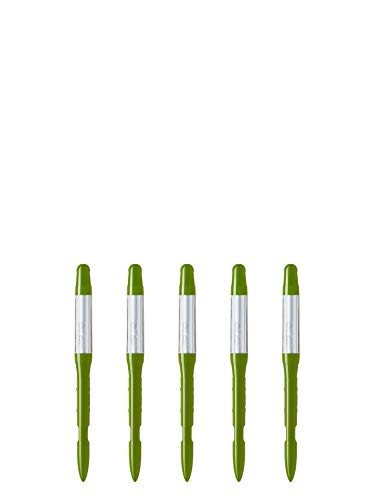
Dimensions: 0.4 x 0.3 x 4.7 inches (small) - Intended for pot sizes of 2, 2.5, and 3 - Ideal for small succulents
Signs of Overwatering
- Yellow Leaves: Look for leaves that are bright yellow instead of vibrant green. This indicates excess moisture.
- Wilting: Even though the soil is wet, wilted leaves signal stress. The roots can’t absorb water properly.
- Mushy Stems: Soft, mushy stems suggest root rot. If you notice these, it’s essential to check the root system.
- Fungal Growth: Mold or mildew on the surface of the soil points to overwatering.
Signs of Underwatering
- Drooping Leaves: Leaves will hang limply if they don’t receive enough moisture. This is a clear sign of dehydration.
- Crispy Edges: Brown, crispy edges on leaves indicate that the plant is lacking water.
- Dry Soil: If the top inch of soil feels dry and crumbly, your lettuce needs a drink.
- Slow Growth: A lack of water causes stunted growth. Measure the rate of growth to gauge watering needs.
Conclusion
Pay attention to these signs to adjust your watering routine. Recognizing early indicators ensures your lettuce thrives.
Conclusion
Finding the right balance in watering your lettuce is key to keeping it fresh and healthy. Pay attention to the signs your plants give you and adjust your routine based on the conditions around you.
Whether it’s daily watering in the heat or every few days in cooler weather consistency is what matters most. Remember to check the soil moisture and adapt your watering schedule to suit your specific garden environment.
With a little care and observation your lettuce will thrive and reward you with crisp delicious leaves. Happy gardening!
Frequently Asked Questions
How often should I water my lettuce?
Lettuce should be watered every 2-3 days under moderate conditions. In hot or dry weather, daily watering may be necessary to keep the soil evenly moist. The specific frequency depends on factors like soil type, temperature, and the growth stage of the plants.
What are the signs of overwatering lettuce?
Signs of overwatering include yellowing leaves, wilting despite wet soil, mushy stems, and the presence of fungal growth. If you notice these indicators, you may need to reduce your watering frequency.
What are the signs of underwatering lettuce?
Underwatering signs consist of drooping leaves, crispy edges, dry soil, and slow growth. If your lettuce shows these symptoms, it’s time to water more frequently.
Does soil type affect how often I water lettuce?
Yes, soil type significantly influences watering frequency. Sandy soils drain quickly, requiring more frequent watering, while clay soils retain moisture longer, needing less frequent attention.
How do climate conditions impact lettuce watering?
Hotter and sunnier weather increases the need for watering. During such conditions, you may need to adjust your routine, often requiring daily watering to keep the plants hydrated.
When is the best time to water lettuce?
The best time to water lettuce is in the morning. This allows for maximum absorption and minimizes evaporation, helping maintain soil moisture throughout the day.
How much water does lettuce need weekly?
Gardeners should aim for about 1 inch of water per week for lettuce. This can be achieved through rainfall, irrigation, or checking soil moisture levels to ensure consistent hydration.
Should the growth stage of lettuce affect watering frequency?
Yes, the growth stage matters. Young lettuce plants require more water to help establish their roots, while mature plants can tolerate drier conditions. Adjust your watering based on their development.
