

Have you ever wondered if your cows can enjoy a leafy treat like romaine lettuce? It’s a question many farmers and pet owners ask, especially when looking to spice up their livestock’s diet. With so much information out there, it can be hard to know what’s safe and beneficial for your cows.
Key Takeaways
- Nutritional Benefits: Romaine lettuce is rich in essential vitamins (A, K) and minerals (calcium, potassium) that enhance cows’ health.
- Dietary Fiber: The high fiber content in romaine lettuce aids digestion, promotes satiety, and supports nutrient absorption in cows.
- Moderation is Key: Introduce romaine lettuce gradually to avoid digestive issues; excessive intake can lead to diarrhea or disrupt nutrient intake.
- Best Feeding Practices: Always wash lettuce thoroughly, feed only fresh produce, and balance with hay, grains, and forages for a complete diet.
- Alternative Vegetables: Cows can also benefit from a variety of other vegetables like carrots, kale, and zucchini, which offer different nutritional profiles.
- Monitoring Health: Observe cows for any signs of discomfort when introducing new foods, and adjust serving sizes based on their reactions.
Nutritional Benefits of Romaine Lettuce
Romaine lettuce offers significant nutritional benefits suitable for a cow’s diet. Understanding these benefits helps in promoting healthy livestock.
Vitamins and Minerals
Romaine lettuce contains essential vitamins and minerals that contribute to overall health. Key nutrients include:
- Vitamin A: Supports vision and immune function.
- Vitamin K: Aids in blood clotting and bone health.
- Calcium: Strengthens bones and teeth.
- Potassium: Regulates fluid balance and muscle function.
These vitamins and minerals can enhance the general health of cows when included in moderation.
Dietary Fiber Content
Romaine lettuce provides dietary fiber, crucial for digestive health in cows. High fiber content promotes:
- Healthy Digestion: Fiber aids in proper rumen function, preventing digestive disorders.
- Satiety: Fiber-rich foods help cows feel fuller, which can assist in weight management.
- Nutrient Absorption: Fiber supports the absorption of other nutrients essential for growth and energy.
Incorporating romaine lettuce into a cow’s diet can boost fiber intake, contributing positively to their overall nutrition.
Health Considerations for Cows
Understanding the health considerations of feeding romaine lettuce to cows is vital for maintaining their well-being. While it offers nutritional benefits, moderation and awareness of their digestive system are crucial.
Recommended Products

For Lactating and Non-Lactating Dairy Cattle

2-in-1 Large Capacity: This livestock hay feeder combines a hay rack and a grain tray in one unit. It holds 56 gallons of hay and 24 gallons of grain, feeding 10 to 12 goats at once. The bottom tray catches loose hay to help keep the feeding area clean

Ultra-Slow Feeding Design: This hay bag features an innovative mesh ultra-slow feeding design , with an upgraded triangular slow-feed net that significantly reduces eating speed,helping to lower the risk of overeating and digestive issues.It promotes healthy eating habits and minimizes forage waste
Digestive System of Cows
Cows possess a complex digestive system with four stomachs: the rumen, reticulum, omasum, and abomasum. This unique setup allows them to break down fibrous plant materials effectively. When introducing romaine lettuce, start with small amounts. The high water content can promote hydration but might also disrupt their digestion if consumed in excess. Monitor for any signs of discomfort, such as bloating or changes in appetite, especially when introducing new foods.
Potential Risks of Feeding Romaine Lettuce
Feeding romaine lettuce to cows can pose potential risks. High water content in lettuce might lead to diarrhea if given in large quantities. Furthermore, lactating cows require specific nutrients, and excessive lettuce can dilute their intake of essential feeds, impacting milk production. Always ensure that romaine lettuce is fresh and free from pesticides or contaminants. For the best results, balance it with a diet rich in hay, grains, and other forages to support overall health and productivity.
Incorporating Romaine Lettuce into Cow Diets
Incorporating romaine lettuce into cow diets can provide valuable nutrients, but it requires careful consideration. Proper management ensures your cows benefit from this leafy green without adverse effects.
Recommended Products

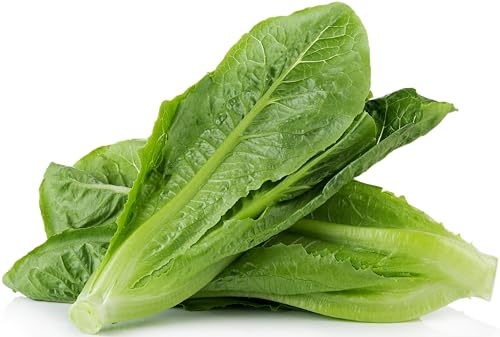
Romaine lettuce is low in carbohydrates, sugar, and fiber

Excellent Source of Vitamins A and K
Recommended Serving Sizes
Introduce romaine lettuce in small amounts. Start with about 1-2 pounds per day per cow, gradually increasing to a maximum of 5 pounds. This approach allows your cows’ digestive systems to adapt without overwhelming them. Monitor their behavior and health, adjusting the portion as needed.
Best Practices for Feeding
Follow these best practices for feeding romaine lettuce:
- Wash Thoroughly: Rinse the lettuce under clean water to remove dirt and contaminants, ensuring it’s safe for your cows.
- Introduce Gradually: Begin by mixing small amounts with their regular feed. This helps prevent digestive issues.
- Feed Fresh: Use fresh romaine lettuce only. Wilted or spoiled lettuce can cause health problems.
- Balance the Diet: Ensure the diet remains diverse. Combine romaine lettuce with hay, grains, and forages for complete nutrition.
- Observe Behaviour: Keep an eye on your cows after introducing lettuce. Look for signs of discomfort or digestive upset, and adjust the feeding approach if necessary.
Using these guidelines, you can safely incorporate romaine lettuce into your cows’ diets, enhancing their nutritional intake while maintaining their health.
Alternative Vegetables for Cows
Cows can benefit from a variety of vegetables besides romaine lettuce. Incorporating a mix of these vegetables can enhance their diet and overall health.
Comparative Nutritional Value
Different vegetables offer unique nutritional benefits. Here’s a comparison of common alternatives:
| Vegetable | Vitamins | Minerals | Fiber Content |
|---|---|---|---|
| Carrots | Vitamin A, Vitamin K | Potassium, Calcium | High |
| Kale | Vitamin A, Vitamin C | Calcium, Iron | Very High |
| Spinach | Vitamin A, Vitamin K | Iron, Magnesium | High |
| Cucumbers | Vitamin K, Vitamin C | Potassium, Magnesium | Moderate |
| Zucchini | Vitamin C, Vitamin A | Manganese, Potassium | Moderate |
Introducing these vegetables can provide cows with essential nutrients that support their health.
Safe Foods for Cows
When selecting vegetables for cows, prioritize safety and nutritional balance. Here are some safe options:
- Carrots: Offer fresh carrots in small amounts. They provide essential vitamins and are enjoyed by cows.
- Kale: Use kale occasionally, as it’s high in nutrients. Too much can lead to digestive issues.
- Spinach: Spinach can be included but should be limited due to high oxalate content.
- Cucumbers: These are hydrating and generally safe. Feed them in moderation.
- Zucchini: Zucchini is nutritious and safe. Cut it into manageable pieces before feeding.
Always wash vegetables thoroughly and introduce them gradually to avoid digestive distress. Maintain a balanced diet by combining veggies with hay and grains. By following these guidelines, you can ensure your cows receive varied and nutritious diets.
Conclusion
Cows can enjoy romaine lettuce as a tasty and nutritious addition to their diet when introduced thoughtfully. By keeping an eye on portion sizes and monitoring their reactions, you can help ensure your cows reap the benefits without any digestive issues.
Remember to wash the lettuce thoroughly and mix it in gradually with their regular feed. This way, you’ll provide a healthy variety that supports their overall well-being. Don’t hesitate to explore other vegetables too to keep their meals exciting and beneficial. Happy feeding!
Frequently Asked Questions
Can cows eat romaine lettuce safely?
Yes, cows can safely eat romaine lettuce in moderation. It offers nutritional benefits like vitamins A and K, calcium, and potassium, which can enhance their overall health.
How much romaine lettuce should I feed my cows?
Start by feeding cows 1-2 pounds of romaine lettuce per day. Gradually increase to a maximum of 5 pounds to allow their digestive systems to adapt comfortably.
What are the benefits of romaine lettuce for cows?
Romaine lettuce provides essential vitamins and minerals, promotes hydration due to its high water content, and offers dietary fiber that aids in digestion and nutrient absorption.
Are there any risks of feeding cows romaine lettuce?
Overconsumption of romaine lettuce can lead to diarrhea and may affect lactating cows’ nutrient intake. Always introduce it gradually to prevent digestive upset.
How should I prepare romaine lettuce for my cows?
Wash the lettuce thoroughly to remove dirt and chemicals. Introduce it gradually alongside their regular feed to ensure cows adapt well to the new addition.
What other vegetables are good for cows?
Alternative vegetables like carrots, kale, spinach, cucumbers, and zucchini can also benefit cows. These options provide unique nutrients and should be introduced similarly in moderation.
Why is a varied diet important for cows?
A varied diet ensures cows receive a balanced intake of vitamins, minerals, and fiber, supporting their overall health and preventing nutrient deficiencies. Always monitor their response to new foods.
