

Have you ever wondered if you can grow fresh lettuce in Florida’s sweltering summer heat? You’re not alone. Many gardeners face the challenge of keeping their greens thriving when temperatures soar.
Key Takeaways
- Variety Selection: Choose heat-resistant lettuce varieties such as Butterhead, Romaine, and Leaf Lettuce for better summer growth in Florida.
- Optimal Conditions: Maintain soil pH between 6.0 and 7.0, provide 4 to 6 hours of sunlight, and keep the soil consistently moist for ideal lettuce growth.
- Timing Matters: Plant lettuce early in the morning or late in the afternoon to reduce heat stress on young plants.
- Pest Management: Regularly monitor for pests like aphids and caterpillars, and use beneficial insects and crop rotation to mitigate issues.
- Alternative Techniques: Utilize shade cloths to protect plants from direct sunlight and consider hydroponics for a soil-free, controlled growing environment.
- Stay Adaptable: Understand the challenges posed by Florida’s heat and humidity, and be prepared to adjust strategies for successful lettuce cultivation.
Understanding Lettuce Growth
Growing lettuce in Florida during summer poses challenges but remains feasible with the right approach. Selecting suitable varieties and ensuring optimal conditions makes a significant difference.
Types of Lettuce Suitable for Florida
Certain lettuce types thrive better in Florida’s summer heat. Consider these varieties:
- Butterhead: Soft, leafy texture; tolerates warmth.
- Romaine: Crisp leaves; does well in heat.
- Iceberg: Crunchy; prefers cooler periods but can be grown with care.
- Leaf Lettuce: Fast-growing; can handle varying temperatures effectively.
Choosing heat-resistant varieties helps ensure a successful harvest.
Key Growing Conditions
Lettuce requires specific conditions for optimal growth. Focus on these factors:
- Temperature: Aim for daytime temperatures between 60°F and 70°F. If temperatures rise above 75°F, consider planting in partial shade.
- Soil: Use well-drained, nutrient-rich soil with a pH of 6.0 to 7.0. Adding organic matter enhances soil quality.
- Watering: Keep the soil consistently moist but not soggy. Aim for about 1 inch of water per week.
- Sunlight: Lettuce needs at least 4 to 6 hours of sunlight daily. Providing afternoon shade helps during peak heat.
Monitoring these conditions supports healthy lettuce growth, even in Florida’s summer.
Challenges of Growing Lettuce in Summer
Growing lettuce in summer poses unique challenges, particularly in Florida’s hot and humid climate. Understanding these challenges helps you prepare and adapt your gardening strategies effectively.
Recommended Products

YEAR-ROUND GARDEN FAVORITE – Dependable butterhead lettuce that thrives in cool or moderate weather for consistent harvests from spring through fall, even under cover in winter

VIBRANT RED LEAF LETTUCE SEEDS – Distinct curly leaves with rich burgundy color and mild, sweet flavor make Lolla Rossa a standout choice for colorful salads and fresh table greens

10 LETTUCE VARIETIES – Lettuce (Lactuca sativa) varieties for your garden, including Buttercrunch, Green Salad Bowl, Iceberg, Lolla Rossa, Oakleaf, Parris Island Romaine, All the Year Round, Black Seeded Simpson, Red Romaine, and Red Salad Bowl
Heat and Humidity Impacts
Heat stress significantly affects lettuce growth, causing wilting and bolting. When temperatures consistently exceed 75°F during the day, lettuce struggles. Aim for early morning or late afternoon planting to avoid the hottest hours. Humidity can lead to excessive moisture, increasing the risk of fungal diseases. To combat this, you can use mulch to regulate soil temperature and moisture.
Pest and Disease Management
Florida’s summer heat attracts various pests that can threaten your lettuce. Aphids and caterpillars are common culprits. Monitor your plants regularly for signs of infestation. Use beneficial insects like ladybugs to control pests naturally. Implement crop rotation to prevent soil-borne diseases. Keep your planting areas clean and remove any debris to minimize disease risk.
Tips for Success
Growing lettuce in Florida during the summer can be challenging, but with the right strategies, you can achieve a healthy harvest. Follow these tips to enhance your gardening success.
Optimal Planting Times
Plant lettuce early in the morning or late in the afternoon to avoid the heat of the day. This timing helps reduce stress on young plants. Aim to start your seeds indoors or use covered trays before transplanting them outside. Consider experimenting with succession planting every couple of weeks to ensure a continuous supply of fresh greens.
Soil Preparation and Care
Prepare your soil well to create a suitable environment for lettuce. Use nutrient-rich, well-drained soil with good organic matter. A mixture of compost or well-rotted manure can enhance soil structure and fertility. Test your soil’s pH and adjust it to between 6.0 and 7.0 for optimal growth. Water regularly to maintain consistent moisture, especially during dry spells. Mulch around your plants to retain soil moisture and keep roots cool.
Alternative Growing Methods
Consider alternative methods to help you successfully grow lettuce in Florida’s summer heat. These techniques can enhance your gardening efforts and improve plant resilience.
Recommended Products

8PCS PP Buckets: Our DWC hydroponic system is equipped with 8 buckets made of high-quality PP material for long-lasting use. Each plant bucket features a 5" basket and can hold up to 5 gallons, large enough to help you grow multiple plants at a time.
8" bucket basket to hold your choice of growing medium

Using Shade Cloths
Using shade cloths provides essential protection against intense sunlight. Shade cloths come in various percentages, blocking 30% to 70% of sunlight. Select a cloth that filters sufficient light while still allowing airflow.
Position the shade cloth over your lettuce plants, particularly during peak sunlight hours. This approach not only cools the plants but also reduces heat stress and minimizes wilting. Additionally, shade cloths help maintain soil moisture by reducing evaporation. Monitor the plants to determine the effectiveness of the shade cloth, adjusting as necessary.
Hydroponics as an Option
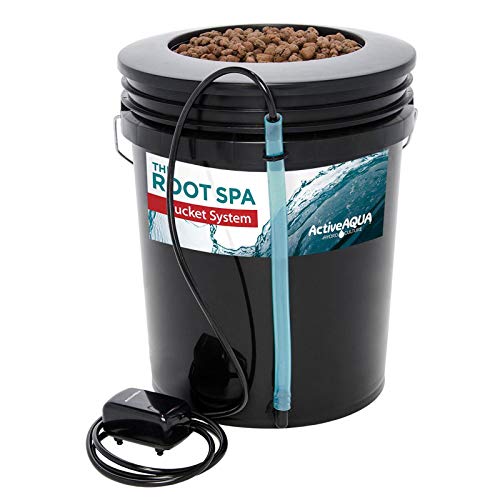
Hydroponics offers a soil-free approach to growing lettuce that thrives in controlled environments. This method involves growing plants in nutrient-rich water, allowing for faster growth and fewer pests.
To start hydroponics, choose a system that suits your space, such as deep water culture or nutrient film technique. Select heat-tolerant lettuce varieties, like Butterhead or Leaf Lettuce, which adapt well to hydroponic conditions.
Monitor water temperature and nutrient levels regularly. Maintain optimal temperatures between 65°F and 75°F for healthy growth. By using hydroponics, you eliminate soil-related issues and make gardening easier during Florida’s summer months.
Conclusion
Growing lettuce in Florida during the summer is definitely a challenge but it’s not impossible. By choosing the right varieties and paying attention to their specific needs you can enjoy fresh greens even in the heat.
Remember to create a suitable environment with proper soil moisture and some shade during the hottest parts of the day. With a little patience and care you can successfully cultivate delicious lettuce all summer long. So get out there and start your gardening adventure—your taste buds will thank you!
Frequently Asked Questions
Can you grow lettuce in Florida during the summer?
Yes, you can grow lettuce in Florida during the summer, but it requires extra care. Choosing heat-tolerant varieties, managing soil conditions, and protecting plants from extreme heat are essential for successful growth.
What lettuce varieties thrive in Florida’s heat?
Varieties like Butterhead, Romaine, Iceberg, and Leaf Lettuce perform well in Florida’s summer heat. These types are more resilient and can withstand higher temperatures compared to other lettuce varieties.
What are the ideal growing conditions for lettuce in hot weather?
For optimal lettuce growth in hot weather, maintain daytime temperatures between 60°F and 70°F, use nutrient-rich well-drained soil, ensure consistent moisture, and provide adequate sunlight with some afternoon shade.
How can I prevent lettuce from bolting in summer heat?
To prevent bolting, plant lettuce during cooler parts of the day, provide mulch for soil temperature regulation, and choose heat-resistant varieties. Monitoring temperatures and providing some shade can also help.
What pests should I look out for when growing lettuce in Florida?
Common pests to watch for include aphids and caterpillars. Regular monitoring, beneficial insects, and crop rotation can help manage these pests and keep your lettuce healthy.
When is the best time to plant lettuce in Florida?
The best time to plant lettuce in Florida is early morning or late afternoon. Planting during these cooler times helps reduce stress on young plants and promotes better growth.
How can I enhance moisture retention for my lettuce?
Using mulch is an effective way to retain soil moisture while regulating temperature. Regular watering and ensuring good drainage in the soil can also improve moisture retention for your lettuce plants.
What role does shade cloth play in growing lettuce?
Shade cloth can block 30% to 70% of sunlight, providing protection against intense heat. It helps reduce stress on plants while maintaining soil moisture, making it a useful tool for growing lettuce in hot climates.
Is hydroponics a good method for growing lettuce in Florida?
Yes, hydroponics is a viable method for growing lettuce in Florida’s heat. It allows for faster growth and minimizes pest issues, but monitoring water temperature and nutrient levels is crucial for success.
How can I ensure continuous lettuce supply throughout the summer?
Practicing succession planting—sowing new seeds every few weeks—allows for a continuous supply of fresh lettuce. Additionally, experimenting with indoor seed starting can help maintain a steady growth cycle.
