

Are you ready to enjoy fresh, crisp lettuce right from your garden? Planting lettuce seeds in a raised bed is one of the easiest ways to kickstart your home gardening journey. If you’ve ever struggled to grow your own greens or felt overwhelmed by the process, you’re not alone.
Key Takeaways
- Choose the Right Variety: Select cool-weather or warm-weather lettuce varieties based on your planting season for optimal growth and harvest timing.
- Prepare the Raised Bed: Ensure sun exposure, well-drained soil, and rich compost mix to create an ideal environment for lettuce growth.
- Planting Techniques: Sow lettuce seeds at the appropriate depth and spacing, with consistent watering and mulching to retain moisture and suppress weeds.
- Ongoing Care: Monitor watering needs, weed, and pest control regularly to maintain healthy lettuce plants throughout the growing season.
- Harvesting Tips: Look for size, color, and firmness to determine harvest readiness, and employ proper techniques to ensure quality and freshness of your greens.
Understanding Lettuce Varieties
Choosing the right lettuce variety ensures a successful harvest. Lettuce varieties can be categorized into cool-weather and warm-weather types.
Cool-Weather Varieties
Cool-weather varieties thrive in spring and fall. These types prefer temperatures between 60°F and 65°F. Fast-growing options include:
- Butterhead Lettuce: Known for its tender leaves and rich flavor, Butterhead matures in about 55 to 75 days.
- Romaine Lettuce: Crispy and crunchy, Romaine is suited for salads and sandwiches. It takes 70 to 75 days to reach full size.
- Looseleaf Lettuce: This variety offers rapid growth and can be harvested multiple times. It matures in around 40 to 50 days.
These lettuces not only taste great but also resist bolting in cooler temperatures.
Warm-Weather Varieties
Warm-weather varieties enjoy temperatures above 70°F and grow well in the summer. Consider these options:
- Crisphead Lettuce: Also called Iceberg, it features a tight head and crisp texture. It typically takes 75 to 85 days to mature.
- Summer Crisp Lettuce: This variety withstands heat and does not bolt easily. It matures in about 60 to 80 days.
- Buttercrunch Lettuce: Similar to Butterhead but more heat-tolerant, Buttercrunch offers a delightful flavor. It matures in 60 to 75 days.
Selecting the right variety based on your planting schedule helps ensure a thriving lettuce garden.
Preparing the Raised Bed
Preparing your raised bed establishes a solid foundation for your lettuce. Focus on two key aspects: choosing the right location and soil preparation.
Recommended Products

100% Organic & Peat-Free: Our compost mix is 100% organic & peat-free. Peat is one of Mother Nature’s most important stores of carbon. Instead of imported peat, the base of our soils is made from upcycled plant matter or wood fines from the United States!

Optimized for Raised Beds: True Organic Raised Bed Food is specially designed to support abundant growth of herbs, flowers, vegetables, and fruits in raised beds and large containers.

Ready to Use, Right from the Bag: No prep required. This raised bed garden soil is packed with organic compost and nutrients, ready to use for quick and easy planting
Choosing the Right Location
Select a sunny spot for your raised bed. Lettuce thrives with at least 6 to 8 hours of sunlight daily. Ensure the site has good drainage to prevent waterlogging. Avoid low areas where water tends to accumulate, as excess moisture can harm the roots. If possible, position the bed away from tall plants or structures that may cast shadows, especially during the hotter months.
Soil Preparation and Amendments
Prepare the soil for optimal lettuce growth. Start by removing any weeds or debris from the raised bed. Loosen the existing soil to a depth of about 12 inches using a garden fork or tiller. This promotes air circulation and drainage.
Incorporate organic matter, such as compost, to enrich the soil. Aim for a mix of 50% existing soil and 50% compost for a nutrient-rich blend. If your soil lacks quick drainage, add perlite or sand to improve texture. For optimal pH, aim for a range of 6.0 to 6.8. Testing kits are available at garden centers to assess pH levels. Adjust with lime to raise pH or sulfur to lower it as needed.
These preparations create a nutrient-dense environment to support your lettuce as it grows.
Planting Lettuce Seeds
Planting lettuce seeds in a raised bed is straightforward and rewarding. Follow these guidelines to ensure a successful harvest.
Recommended Products

500+ iceberg lettuce seeds for planting – heirloom, non-GMO crisphead lettuce with firm, dense heads and mild, refreshing flavor.
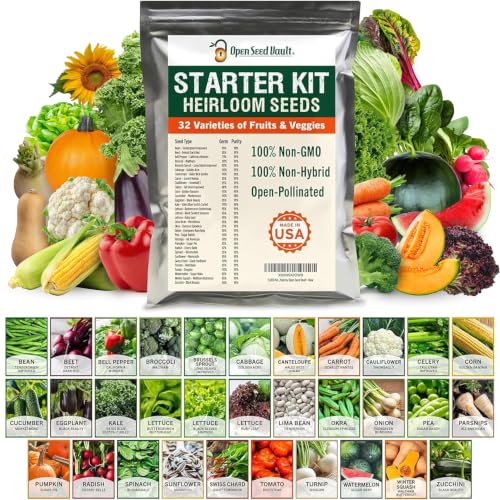
COMPLETE VEGETABLE GARDEN VARIETY PACK – Grow a thriving home garden with 32 popular vegetable seeds including Bean, Beet, Bell Pepper, Broccoli, Brussels Sprout, Cabbage, Cantaloupe, Carrot, Cauliflower, Celery, Corn, Cucumber, Eggplant, Kale, Lettuce (3 types), Lima Bean, Okra, Onion, Pea, Parsnip, Pumpkin, Radish, Spinach, Sunflower, Swiss Chard, Tomato, Turnip, Watermelon, Zucchini. A diverse mix perfect for fresh meals, backyard gardens, and sustainable growing.

When to Plant Lettuce Seeds
Lettuce seeds are best planted based on the variety. For cool-weather types, sow seeds in early spring or late summer. These varieties include Butterhead, Romaine, and Looseleaf. For warm-weather types, such as Crisphead, Summer Crisp, and Buttercrunch, plant seeds after the last frost in late spring or early summer. Monitor your local frost dates to time your planting perfectly.
- Prepare the Soil: Ensure the soil is loose and well-draining. Aim for a depth of 12 inches. Mix in compost to improve fertility.
- Create Rows: Mark rows in the raised bed. Space them 12 inches apart to allow for easy access.
- Sow Seeds: Plant seeds ¼ to ½ inch deep in the soil. Space them 2 to 4 inches apart within the row. For denser growth, thin seedlings later.
- Water Gently: After planting, water the area gently to avoid displacing the seeds. Keep the soil consistently moist but not soggy.
- Mulch: Add a thin layer of mulch to retain moisture and suppress weeds.
- Monitor Growth: Check your lettuce regularly for water needs and signs of pests. Adjust care as necessary.
By following these steps, you’ll create an environment that fosters healthy lettuce growth in your raised bed.
Care and Maintenance
Caring for your lettuce in a raised bed is vital for a healthy harvest. Focus on proper watering and pest control to keep your plants thriving.
Recommended Products

Compact Mini Romaine - Grow Little Gem lettuce with crisp green leaves and tender pale hearts. Its upright heads reach about 6-8 inches tall, a useful size for containers, raised beds and individual salads.

USDA Certified Organic by Oregon Tilth

Black Seeded Simpson is a classic heirloom loose leaf lettuce with large, tender green leaves and a mild, sweet flavor. Harvest fresh leaves for salads, sandwiches, wraps, and other homegrown meals.
Watering Requirements
Watering your lettuce consistently is crucial. Keep the soil evenly moist, aiming for about 1 to 1.5 inches of water per week. Check the top inch of soil; if it feels dry, it’s time to water. Use a gentle shower head or watering can to avoid displacing seeds. Early morning or late afternoon are the best times to water, as this helps reduce evaporation and disease risk.
Weed and Pest Control
Maintaining a weed-free environment enhances lettuce growth. Mulch around your plants with straw or grass clippings to suppress weeds and retain moisture. Regularly check for pests like aphids and slugs. If you spot them, remove by hand or use insecticidal soap. Scouting your plants every few days helps you catch problems early, ensuring your lettuce stays healthy and productive.
Harvesting Lettuce
Harvesting lettuce involves careful observation and timing to ensure the best flavor and texture. Knowing when and how to collect your greens contributes to a successful garden experience.
Signs of Readiness
Check for clear signs that your lettuce is ready for harvest.
- Size: Most lettuce varieties reach their ideal size between 6 to 12 inches tall, depending on the type.
- Leaf Color: Look for vibrant green leaves. Dull or pale colors indicate the need for more nutrients.
- Firmness: Gently squeeze the head or outer leaves. They should feel firm and crisp.
- Flowers: If you see flower stalks starting to grow, harvest immediately. Bolting indicates the lettuce is past its peak flavor.
Techniques for Harvesting
Use specific techniques to ensure a clean harvest.
- Cutting: For head types, use a sharp knife or scissors to cut the lettuce at the base, close to the soil.
- Picking: For looseleaf varieties, gently twist or pull the outer leaves from the base. This method keeps the inner leaves growing.
- Timing: Harvest in the morning when temperatures are cooler. This timing helps maintain the lettuce’s freshness.
- Handling: Handle harvested lettuce delicately to avoid bruising. Place it in a breathable container for transport.
By following these signs and techniques, you can enjoy a bountiful lettuce harvest from your raised bed.
Conclusion
Growing your own lettuce in a raised bed can be a rewarding experience. With a little planning and care you’ll enjoy fresh greens right from your garden. Remember to choose the right variety for your climate and give your plants the attention they need as they grow.
Keep an eye on moisture levels and watch out for pests to ensure a healthy harvest. When it’s time to pick your lettuce be gentle to preserve its freshness and flavor. Enjoy the process and savor the satisfaction of growing your own delicious produce. Happy gardening!
Frequently Asked Questions
What is the best way to grow lettuce in a home garden?
Growing lettuce in a home garden is easiest in a raised bed. Start by selecting the right lettuce variety for your climate, preparing the soil properly, and planting seeds at the appropriate times. Ensure your bed gets enough sunlight, ideally 6 to 8 hours a day, and keep the soil consistently moist for optimal growth.
Which lettuce varieties should I choose for my garden?
Choose cool-weather varieties like Butterhead, Romaine, and Looseleaf for spring and fall. For summer, opt for warm-weather types such as Crisphead, Summer Crisp, and Buttercrunch. Selecting the right varieties will ensure a successful and timely harvest.
How do I prepare my raised bed for planting lettuce?
To prepare your raised bed, choose a sunny location with good drainage. Remove weeds, loosen the soil to about 12 inches deep, and mix in organic matter like compost to create a nutrient-rich soil blend. Aim for a mix of 50% existing soil and 50% compost.
When should I plant lettuce seeds?
Plant cool-weather lettuce seeds in early spring or late summer. For warm-weather varieties, wait until after the last frost, typically in late spring or early summer. Timing plays a crucial role in successful lettuce growth.
What are the best practices for watering lettuce?
Keep the soil evenly moist, aiming for about 1 to 1.5 inches of water weekly. Check the top inch of soil for dryness before watering. Water in the early morning or late afternoon to reduce evaporation and prevent disease.
How can I control pests while growing lettuce?
Regularly inspect your lettuce for pests like aphids and slugs. Hand remove any pests you find, or use insecticidal soap as needed. Scouting your plants every few days allows for early detection, helping to maintain healthy growth.
When is the right time to harvest lettuce?
Harvest lettuce when the leaves are the right size, firm, and have a vibrant color—typically in the morning for optimal freshness. For head-type varieties, cut at the base, and for looseleaf types, pick the outer leaves gently. Avoid bruising for the best quality.
How should I handle harvested lettuce?
Handle harvested lettuce with care to prevent bruising. Store it in a cool place and wash gently just before use. Proper handling ensures your lettuce stays fresh and flavorful until you’re ready to enjoy it.
