Close Menu
    Veggie Knowledge
    • Home
    • Growing Vegetables
      • Beets
      • Broccoli
      • Carrots
      • Cucumber
      • Green Beans
    • Tips and Advice
    • Free eBook
    • About
      • Contact
      • Privacy Policy
    Veggie Knowledge
    Home»Lettuce»How Often Do You Water Lettuce Plants for Healthy Growth and Optimal Yield
    Lettuce

    How Often Do You Water Lettuce Plants for Healthy Growth and Optimal Yield

    Lucy StoneBy Lucy StoneDecember 23, 20248 Mins Read
    Facebook Twitter Pinterest LinkedIn Tumblr WhatsApp VKontakte Email
    Share
    Facebook Twitter LinkedIn Pinterest Email

    Have you ever wondered how often you should water your lettuce plants? If you’ve tried growing lettuce, you know that keeping it healthy can be tricky. Too much water can lead to rot while too little can cause wilting. It’s a fine balance that every gardener faces.

    Contents show
    1 Key Takeaways
    2 Understanding Lettuce Plant Watering Needs
    2.1 Ideal Watering Frequency
    2.2 Signs of Overwatering and Underwatering
    2.3 Tools for Monitoring Soil Moisture
    2.4 Seasonal Adjustments
    3 Factors Affecting Watering Frequency
    3.1 Soil Type
    3.2 Environmental Conditions
    4 Watering Techniques for Lettuce
    4.1 Drip Irrigation
    4.2 Hand Watering
    5 Signs of Underwatering and Overwatering
    5.1 Signs of Underwatering
    5.2 Signs of Overwatering
    5.3 Monitoring Tools
    6 Conclusion
    7 Frequently Asked Questions
    7.1 How often should I water my lettuce plants?
    7.2 What are the signs of overwatering and underwatering lettuce?
    7.3 How can I check the moisture level in the soil?
    7.4 Does the type of soil affect how often I water lettuce?
    7.5 What watering techniques are best for lettuce?
    7.6 How do temperature and humidity impact lettuce watering needs?
    7.7 When is the best time to water lettuce plants?

    Key Takeaways

    • Consistent Moisture is Crucial: Lettuce plants thrive with regular, consistent moisture; aim to keep the top inch of soil moist but not soggy to prevent root rot and wilting.
    • Ideal Watering Frequency: During warm weather, water every 2-3 days, and reduce to once a week in cooler conditions; use a finger test to check soil moisture.
    • Recognize Signs of Stress: Overwatering manifests as yellowing leaves and mushy stems, while underwatering leads to drooping and brown leaf tips; adjust watering accordingly.
    • Adapt to Environmental Factors: Soil type, temperature, humidity, and sunlight exposure impact watering needs; observe these factors to maintain optimal hydration.
    • Effective Watering Techniques: Utilize drip irrigation for efficient watering or hand water for precise control; both methods help ensure your lettuce gets the right moisture without excess.

    Understanding Lettuce Plant Watering Needs

    Lettuce plants require consistent moisture to thrive. You’ll want to check the soil regularly. Keep the top inch of soil moist, but don’t let it become soggy. Overwatering causes root rot, while underwatering leads to wilting and a bitter taste.

    Ideal Watering Frequency

    Water lettuce plants every two to three days during warm weather. In cooler conditions, reduce the frequency to once a week. Use a finger test to gauge soil moisture. Insert your finger about an inch deep. If it feels dry, it’s time to water.

    Signs of Overwatering and Underwatering

    • Overwatering: Yellowing leaves, mushy stems, or a sour smell from the soil indicate excess water. Adjust your watering strategy immediately.
    • Underwatering: Leaves droop, develop a crispy texture, or turn brown. If you notice these signs, increase your watering frequency.

    Tools for Monitoring Soil Moisture

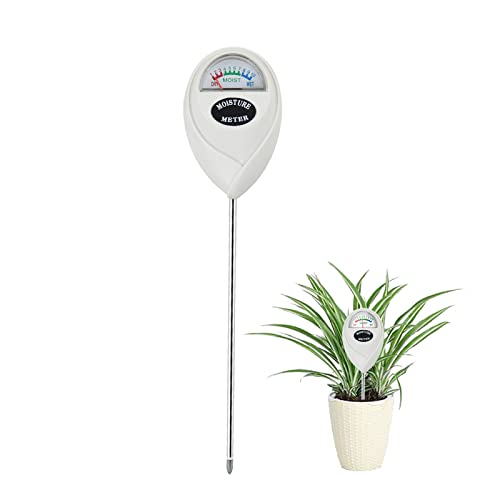
    Consider using a moisture meter for accurate readings. This device provides clear insights on when to water and prevents guesswork. Alternatively, a simple wooden stake can help; inserting it into the soil will show moisture levels based on its color and texture.

    Seasonal Adjustments

    During hot summer months, lettuce plants consume more water. Increase watering to every two days. In fall or spring, consider watering less frequently. Always observe the weather conditions and adjust based on rainfall or temperature changes.

    Following these guidelines ensures your lettuce plants stay healthy and productive, yielding crisp, flavorful leaves.

    Factors Affecting Watering Frequency

    Watering frequency depends on various factors that can influence how much water your lettuce plants need. Understanding these factors helps ensure your plants remain healthy and productive.

    Recommended Products

    XLUX Long Probe Deep Use Soil Moisture Meter, Water Monitor Indicator Sensor, Hygrometer for Outdoor Indoor Large Pot Plants, Flower, Gardening, Farming
    XLUX Long Probe Deep Use Soil Moisture Meter, Water Monitor Indicator Sensor, Hygrometer for Outdoor Indoor Large Pot Plants, Flower, Gardening, Farming

    Accurate Soil Moisture Detection: The XLUX Soil Moisture Meter can tell you if the soil deep inside your pot or garden is dry, moist or wet; whereas your eyes and fingers can only determine the moisture level of the soil surface. The probe is 5.5 inches (14 cm) longer than regular styles, allowing it to measure the soil moisture at the bottom of larger and deeper flower pots.

    MUST READ:  Should You Buy Organic Lettuce: Discover Its Health Benefits and Environmental Impact
    VIEW LATEST PRICE

    As an affiliate, we earn on qualifying purchases.

    Antonki 2 Pack Soil Moisture Meter, Plant Water Meter for Gardening, Farming, Soil Tester Hygrometer Sensor for Indoor Outdoor House Plants, Flower, Lawn - No Battery Required
    Antonki 2 Pack Soil Moisture Meter, Plant Water Meter for Gardening, Farming, Soil Tester Hygrometer Sensor for Indoor Outdoor House Plants, Flower, Lawn - No Battery Required

    【Instant & Accurate Moisture Reading, No More Guesswork】 This plant moisture meter gives precise soil moisture readings in seconds! The responsive pointer instantly tells you if soil is dry, moist, or wet. It helps avoid overwatering & root rot, letting you water plants like a pro with confidence

    VIEW LATEST PRICE

    As an affiliate, we earn on qualifying purchases.

    YAMRON 4-in-1 Soil Moisture Meter, Digital Plant Temperature/Soil Moisture Test & PH Meter/Sunlight Intensity, Backlight LCD Display for Gardening, Farming and Outdoor Plants
    YAMRON 4-in-1 Soil Moisture Meter, Digital Plant Temperature/Soil Moisture Test & PH Meter/Sunlight Intensity, Backlight LCD Display for Gardening, Farming and Outdoor Plants

    【4 in 1 function】This is a 4-in-1 multifunctional soil tester.Our soil tester fastly to measure soil moisture, pH, temperature and sunlight to help you take better care of flowers and plants.You can know when you need to water your soil by measuring moisture and pH & Temperature value of the soil and sunlight level of plants with it.

    VIEW LATEST PRICE

    As an affiliate, we earn on qualifying purchases.

    Soil Type

    Soil type directly impacts how quickly water drains and retains moisture.

    • Sandy Soil: Drains quickly, requiring more frequent watering. Check moisture every day to avoid drying out.
    • Clay Soil: Retains moisture for longer periods but can become waterlogged. Water less frequently; every three to four days may suffice.
    • Loamy Soil: Offers balanced drainage and retention. Typically, watering every two to three days works well.

    Environmental Conditions

    Environmental conditions significantly influence your watering routine.

    • Temperature: In hot weather, lettuce requires more water. Expect to increase watering frequency to every day or two.
    • Humidity: Higher humidity reduces water evaporation, allowing for less frequent watering. You might water every three to four days in such conditions.
    • Sunlight: Direct sunlight increases evaporation. If your lettuce gets full sun, check moisture daily and adjust watering based on observed dryness.

    These factors interact, making it essential to monitor your lettuce plants regularly. Adjust your watering strategy based on your observations to ensure optimal growth and yield.

    Watering Techniques for Lettuce

    Watering techniques affect the health and yield of your lettuce plants. Proper methods ensure they receive the right amount of moisture for optimal growth.

    Recommended Products

    CARPATHEN Drip Irrigation System Kit - Complete Premium Garden Watering System with Adjustable Sprinkler Emitters, 5/16" & 1/4" Tubing and Fittings - Drip Line for Raised Beds, Lawn, Pots, Greenhouse
    CARPATHEN Drip Irrigation System Kit - Complete Premium Garden Watering System with Adjustable Sprinkler Emitters, 5/16" & 1/4" Tubing and Fittings - Drip Line for Raised Beds, Lawn, Pots, Greenhouse

    Be a Gardening Master with the help of our superior and complete Drip Irrigation Kit: 10 Drip Irrigation Emitters Vortex + 20 Drip Emitters Spray + 50ft flexible & durable 5/16 irrigation tubing + 50ft 1/4 inch Drip Irrigation Tubing + 12 tubing coupler + 5 ¼ Tubing Tee Splitter + Tubing End Plugs + Water Connector + 1 x Complete Instructions Guide Hard Copy + 2 Grow your Own Vegetables & Fruits Guide full with pieces of advice and practical tips Digital Format.

    VIEW LATEST PRICE

    As an affiliate, we earn on qualifying purchases.

    MIXC 230FT Quick-Connect Drip Irrigation System Kit, Automatic Garden Watering System with 1/4" & 1/2" Fast-Lock Tubing - Adjustable Nozzles & Sprinklers for Garden, Greenhouse, Lawn, Potted Plants
    MIXC 230FT Quick-Connect Drip Irrigation System Kit, Automatic Garden Watering System with 1/4" & 1/2" Fast-Lock Tubing - Adjustable Nozzles & Sprinklers for Garden, Greenhouse, Lawn, Potted Plants

    ✔Comprehensive Drip Irrigation Kit:MIXC drip irrigation system, equipped with a versatile range of components, caters to all your garden watering needs.Includes essential parts such as 197ft 1/4'' irrigation tube, 33ft 1/2'' irrigation tube, 1/2‘’ Lock Barbed Tee connectors, drip emitter streams, vortex emitters, Blue Mist Nozzles, Quick connection tees, Faucet Connector, and more.

    MUST READ:  Can You Grow Lettuce in a 5 Gallon Bucket: A Complete Guide for Fresh Greens at Home
    VIEW LATEST PRICE

    As an affiliate, we earn on qualifying purchases.

    MIXC 1/4" 100Ft Drip Irrigation System for Garden with 16pcs 360°Adjustable Brass Nozzles & Bendable Rod,Upgraded Watering System Kit for Outdoor Plants,Lawn,Raised Bed,Potted Plant,Yard,Greenhouse
    MIXC 1/4" 100Ft Drip Irrigation System for Garden with 16pcs 360°Adjustable Brass Nozzles & Bendable Rod,Upgraded Watering System Kit for Outdoor Plants,Lawn,Raised Bed,Potted Plant,Yard,Greenhouse

    【Universal 1/4 Inch Size Set】- Designed for US market compatibility,MIXC new drip irrigation system set uses 1/4 inch (6mm) components to address potential mismatches with standard hoses, unlike some 5/16 inch systems. It includes 2-way connectors, tubing, and 3-way connectors to help users set up DIY garden irrigation more conveniently.

    VIEW LATEST PRICE

    As an affiliate, we earn on qualifying purchases.

    Drip Irrigation

    Drip irrigation provides a steady supply of water directly to the plant’s roots. This system delivers moisture slowly, preventing both overwatering and underwatering.

    • Efficiency: Drip irrigation minimizes water waste, targeting specific areas. You save time while reducing irrigation costs.
    • Installation: You can set it up using a series of tubes with emitters. Position it to distribute water evenly across your lettuce beds.
    • Timing: Adjust the timing based on soil moisture. Water early in the morning or late in the evening to reduce evaporation.

    Hand Watering

    Hand watering allows for precise control over your lettuce plants’ watering needs. This method works well for smaller gardens or containers.

    • Technique: Use a watering can or a hose with a gentle spray nozzle. Aim to water at the base of the plants, avoiding wetting the leaves to decrease the risk of disease.
    • Frequency: Water every two to three days during warm weather. Check the soil moisture with your finger; if the top inch feels dry, it’s time to water.
    • Observation: Pay attention to the plants. Adjust your watering schedule if you notice drooping or yellowing leaves.

    By utilizing drip irrigation or hand watering, you can effectively meet your lettuce plants’ hydration needs, ensuring robust growth and healthy yields.

    Signs of Underwatering and Overwatering

    Recognizing the signs of underwatering and overwatering is crucial for maintaining healthy lettuce plants. Both conditions lead to distinct symptoms that can help you assess your plants’ hydration needs.

    Recommended Products

    GROWIT Plant Moisture Meter - Accurately Tells You When to Water Your Plants - 26cm, No Battery Needed
    GROWIT Plant Moisture Meter - Accurately Tells You When to Water Your Plants - 26cm, No Battery Needed

    STOP OVERWATERING - Our soil moisture meter prevents overwatering or under-watering. Your plants will thank you! Total length of this meter 26 cm (10.24 inch) and probe 7 inch (17.8 cm).

    VIEW LATEST PRICE

    As an affiliate, we earn on qualifying purchases.

    Censinda Soil Moisture Meter, Soil Moisture Monitor for House Plants, Soil Hygrometer Moisture Sensor for Indoor & Outdoor, Garden, Farm, Lawn Plant Care, No Battery Needed(White)
    Censinda Soil Moisture Meter, Soil Moisture Monitor for House Plants, Soil Hygrometer Moisture Sensor for Indoor & Outdoor, Garden, Farm, Lawn Plant Care, No Battery Needed(White)

    【SAVE YOUR PLANTS】: Over watering can cause problems with your plants or even kill them. This soil moisture meter helps you know the soil is dry, moist or wet.No more over watering!

    VIEW LATEST PRICE

    As an affiliate, we earn on qualifying purchases.

    Sustee Aquameter, Set of 5, Plant Soil Moisture Sensor (Green, Small)
    Sustee Aquameter, Set of 5, Plant Soil Moisture Sensor (Green, Small)

    Dimensions: 0.4 x 0.3 x 4.7 inches (small) - Intended for pot sizes of 2, 2.5, and 3 - Ideal for small succulents

    VIEW LATEST PRICE

    As an affiliate, we earn on qualifying purchases.

    Signs of Underwatering

    • Drooping Leaves: Lettuce plants often droop when they lack sufficient moisture. This indicates that the roots can’t absorb enough water.
    • Brown Leaf Tips: You may notice browning at the edges or tips of leaves. This browning can spread if the plants remain dehydrated.
    • Dry Soil: When you check the topsoil, it feels dry or cracked. This dryness suggests that the plants haven’t received adequate water.
    MUST READ:  How Does Water Lettuce Spread and Affect Aquatic Ecosystems and Management Strategies

    Signs of Overwatering

    • Yellowing Leaves: Leaves turning yellow, particularly starting from the bottom, often signals too much water. Excess moisture can stress the plant and cause leaf discoloration.
    • Mushy Stems: Stems appearing soft or mushy indicate root rot, a common result of overwatering. Healthy stems should feel firm.
    • Waterlogged Soil: If the soil feels soggy, it’s likely retaining too much water. This condition deprives roots of oxygen and can lead to decay.

    Monitoring Tools

    Using tools can help you monitor moisture levels effectively:

    • Moisture Meter: Insert this tool into the soil to get an accurate reading of moisture levels. Aim for a balance that indicates damp, not wet or dry soil.
    • Wooden Stake Test: Stick a wooden stake into the soil, leave it for a few minutes, and then remove it. If it comes out dry, your plants need water.

    By staying vigilant to these signs, you can adjust your watering schedule accordingly. Proper hydration promotes robust growth in your lettuce plants.

    Conclusion

    Finding the right watering routine for your lettuce plants is key to their success. By keeping an eye on soil moisture and adjusting based on weather conditions you can help your plants thrive. Remember to check for signs of stress like drooping leaves or yellowing to catch any issues early.

    Using tools like moisture meters can make your job easier and more precise. Whether you’re hand watering or using a drip system, consistency is crucial. With a little attention and care your lettuce can flourish and provide you with fresh, delicious greens. Happy gardening!

    Frequently Asked Questions

    How often should I water my lettuce plants?

    Lettuce plants generally need watering every two to three days during warm weather. In cooler conditions, you can water them once a week. Always check the top inch of soil to ensure it’s moist but not soggy.

    What are the signs of overwatering and underwatering lettuce?

    Signs of overwatering include yellowing leaves and mushy stems, while underwatering leads to drooping leaves and brown leaf tips. Regularly inspect your plants to catch these issues early.

    How can I check the moisture level in the soil?

    You can check soil moisture by inserting your finger into the soil about an inch deep. If it feels dry, it’s time to water. Alternatively, use moisture meters or wooden stakes for accurate readings.

    Does the type of soil affect how often I water lettuce?

    Yes, soil type plays a significant role in watering frequency. Sandy soil drains quickly and needs more frequent watering, while clay soil retains moisture longer and may only need watering every three to four days.

    What watering techniques are best for lettuce?

    Drip irrigation is highly effective as it delivers water directly to the roots and minimizes waste. Hand watering can also work well for smaller gardens, ensuring precision at the plant bases while monitoring moisture levels.

    How do temperature and humidity impact lettuce watering needs?

    In hot weather, lettuce may require daily watering due to increased evaporation. Conversely, high humidity can reduce the need to water, allowing for every three to four days, depending on the environment.

    When is the best time to water lettuce plants?

    The best times to water lettuce are early in the morning or late in the evening. This helps reduce water evaporation and allows for better absorption by the plants.

    Share. Facebook Twitter Pinterest LinkedIn Tumblr WhatsApp Email
    Previous ArticleHow to Grow Gem Lettuce for a Fresh and Flavorful Home Garden Harvest
    Next Article When to Transplant Lettuce Seedlings Outdoors for a Successful Harvest
    lucy stone
    Lucy Stone

      Hi, I'm Lucy! As a passionate gardener and writer for Veggie Knowledge, I've dedicated my life to exploring the secrets of successful vegetable growing. My love for gardening blossomed in my grandmother's backyard, where I learned how much joy a single plant can bring. I aim to share that joy through practical tips and insightful advice, helping you cultivate your own thriving garden

      Related Posts

      How to Cut Lettuce Leaves from Garden: Easy Steps for a Fresh and Healthy Harvest

      February 24, 2025

      How to Store Fresh Picked Leaf Lettuce: Tips for Keeping Your Greens Crisp and Delicious

      February 24, 2025

      How Long Can You Keep Romaine Lettuce to Ensure Maximum Freshness and Flavor

      February 23, 2025

      Is Romaine Lettuce Good for Constipation? Discover Its Digestive Benefits and Nutritional Value

      February 23, 2025
      Leave A Reply Cancel Reply

      Affiliate Disclosure

      As an Amazon Associate, I earn from qualifying purchases.

      Recommended Reading

      How to Grow Oregano Brujo in NY: Regional Success Secrets

      Growing Vegetables

      How Tall Do Cherry Tomatoes Grow? Everything You Need to Know

      Growing Vegetables

      How Do You Grow Broccoli Sprouts? Everything You Need to Know

      Growing Vegetables

      How Does Your Garden Grow? (Original Song Meaning and Lyrics)

      Growing Vegetables

      How to Grow Gardens in Africa: Professional Success Guide

      Growing Vegetables

      How Long to Grow Lettuce Indoors? Quick Diagnostic Guide

      Growing Vegetables

      How to Grow Potatoes in a Small Space: Pro Tips for Success

      Growing Vegetables

      How Long Does It Take to Grow Scallions From Seeds? Quick Guide

      Growing Vegetables
      How VeggieKnowledge.com Got Started

      We started this website to share our love of vegetables with the world, and to help people discover the many benefits of growing, cooking, and eating fresh and delicious vegetables.

      Got questions or comments? You can reach us at [email protected].

      Featured Articles

      10 Common Gardening Mistakes (and How to Avoid Them)

      How Much Sun Do Vegetables Really Need?

      Beginner’s Guide to Growing Vegetables: What to Know Before You Start

      Watering 101: How to Keep Your Plants Happy and Healthy

      The Best Vegetables for First-Time Gardeners

      Categories
      • Beets
      • Broccoli
      • Carrots
      • Cucumber
      • Green Beans
      • Tips and Advice
      Veggie Knowledge
      • Home
      • About
      • Contact
      • Privacy Policy
      • Affiliate Disclosure
      • Free eBook
      © 2026 Veggie Knowledge

      Type above and press Enter to search. Press Esc to cancel.