

Are you excited to grow your own lettuce but unsure when to move those seedlings outdoors? You’re not alone. Many gardeners face the same challenge, wanting to ensure their plants thrive in the right conditions.
Transplanting too early or too late can lead to stunted growth or even loss of your precious plants. This article will guide you through the best timing for transplanting your lettuce seedlings, helping you enjoy a bountiful harvest. With the right tips, you’ll set your garden up for success and savor fresh, homegrown lettuce in no time.
Key Takeaways
- Timing is Critical: Transplant lettuce seedlings at the right time to avoid stunted growth or plant loss. Aim to transplant when seedlings are 3-4 weeks old and have at least two true leaves.
- Optimal Soil Temperature: Ensure soil temperatures are between 50°F and 70°F for healthy root development. Delay transplanting if temperatures rise above 75°F to prevent bitterness in leaves.
- Soil Preparation: Properly prepare the soil by testing pH (6.0 – 7.0) and amending with organic matter like compost for nutrient availability and structure.
- Acclimation Process: Gradually harden off seedlings over 5-7 days before transplanting. This reduces transplant shock and acclimates the plants to outdoor conditions.
- Monitor Weather Conditions: Avoid transplanting during frost threats or extreme heat. Ideal conditions occur on cloudy days or in the late afternoon to minimize stress on seedlings.
- Observe Seedling Health: Look out for sturdy growth and avoid leggy seedlings. Strong seedlings are more likely to thrive once transplanted and yield a more bountiful harvest.
Importance Of Timing In Transplanting
Timing plays a crucial role in transplanting lettuce seedlings outdoors. Transplant at the right moment, and you set your plants up for success. Transplant too early, and seedlings may struggle to acclimate to cold conditions, leading to stunted growth or death. Transplant too late, and you risk missing the peak growing season, which can result in smaller yields.
Ideal Temperature Ranges
Lettuce prefers cool temperatures. The optimal soil temperature for transplanting ranges between 50°F and 70°F. If temperatures exceed 75°F, seedlings may bolt, resulting in bitter-tasting leaves. Keep an eye on weather forecasts for sudden temperature changes.
Age of Seedlings
Transplant seedlings when they reach 3 to 4 weeks old, and have at least two sets of true leaves. Younger seedlings may not support themselves well, while older ones may develop root-bound conditions. Choose seedlings that are healthy and robust for best results.
Soil Preparation
Prepare the soil ahead of transplanting. Ensure it is loose and rich in organic matter. Test the pH level between 6.0 and 7.0 for optimal growth. Amend the soil with compost to enhance nutrient availability.
Acclimating Seedlings
Before transplanting, gradually acclimate seedlings to outdoor conditions over 5 to 7 days. This process, known as hardening off, reduces transplant shock and helps plants adapt to changing temperatures and sunlight.
Weather Considerations
Monitor local weather patterns. Avoid transplanting during frost threats or extreme heat spells. A few days of low temperatures or high winds can stress tender seedlings. Aim to transplant on a cloudy day or in the late afternoon to minimize direct sun exposure.
By paying attention to timing, you maximize the potential of your lettuce seedlings, paving the way for a fruitful harvest.
Optimal Conditions For Transplanting
Transplanting lettuce seedlings outdoors requires specific conditions for optimal growth. Focusing on soil temperature and weather conditions is crucial.
Recommended Products

PRECISE SOIL TEMPERATURE READINGS: Measures soil temperatures from 20 degrees F to 180 degrees F (0 degrees C to 80 degrees C) with a large, easy-to-read analog dial face - no batteries or digital screens needed for reliable results every time

Easy-to-read green, yellow, and red tick marks for easy monitoring
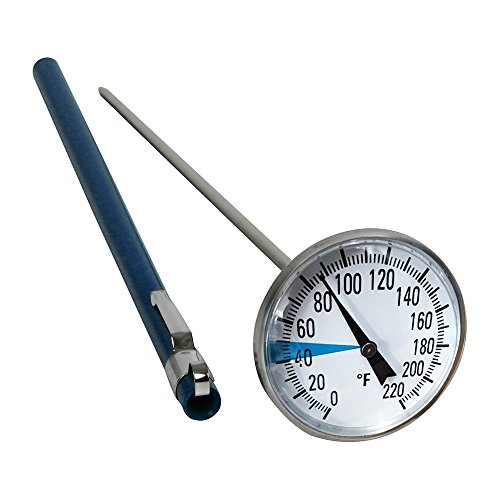
PRACTICAL SOLUTION - While other Soil Thermometers can’t tell the correct temperature, fogs up, and get broken easily, our soil thermometer has high precision performance, high-visibility, and is designed to last
Soil Temperature
Soil temperature directly influences seedling growth. Aim for soil temperatures between 50°F and 70°F. These temperatures promote healthy root development. To monitor soil temperature, use a soil thermometer. If the soil temperature exceeds 75°F, consider delaying transplanting. High temperatures can lead to bitter leaves and stunted growth.
Weather Conditions
Weather plays a significant role in successful transplanting. Transplant on a cloudy day to minimize transplant shock. Avoid transplanting during heavy rain or extreme wind, as they can damage delicate seedlings. Monitor local forecasts for frosts or severe weather. If frost is predicted, wait until after the danger has passed. Check for consistent daytime temperatures above 50°F before proceeding with transplanting. These conditions ensure healthy acclimatization for your lettuce seedlings.
Signs That It’s Time To Transplant
Transplanting lettuce seedlings at the right time promotes healthy growth and yields. Here are key indicators that signal it’s time for you to move your seedlings outdoors.
Recommended Products

We grow a variety of edible seasonal seedlings (aka plugs/starts/transplants) that will flourish in your soil or hydroponic garden.

We grow a variety of edible seasonal seedlings (aka plugs/starts/transplants) that will flourish in your soil or hydroponic garden.

We grow a variety of edible seasonal seedlings (aka plugs/starts/transplants) that will flourish in your garden.
Seedling Growth Stage
Lettuce seedlings reach their transplanting stage around 3 to 4 weeks after germination. Look for seedlings with at least two sets of true leaves; this indicates healthy development and readiness for outdoor conditions. Check for sturdy stems; weak or leggy seedlings may struggle once transplanted.
Day Length Considerations
Day length plays a significant role in lettuce growth. Ideally, transplant your seedlings when the days are between 12 to 16 hours long. Longer daylight hours encourage stronger growth and prevent bolting. Monitor daylight changes as the season progresses to choose the optimal time for your planting.
Step-By-Step Transplanting Process
Transplanting lettuce seedlings requires careful preparation and attention to detail. Follow these steps for a successful process.
Recommended Products

Quick, at home results for Soil pH, Nitrogen, Phosphorous and Potash Innovative and inexpensive soil test kit features an easy-to-use capsule system and patented color comparators

Accurate Soil pH Testing: Dewildetradingco Soil pH Test Strips offer measurements of soil pH levels (pH 3.5-9). As an essential tool for every gardener and grower, these test strips help determine the optimal pH for various plants, such as outdoor plants, indoor plants, gardens, grass lawns, fruit trees, flowers, vegetables, and forest shrubs.

Kindly NOTE: This soil tester can not be applied to test pH value of any other liquid. If the soil is too dry the indicator will not move, and water it before testing.
Preparing The Soil
- Test The Soil: Use a soil testing kit to check pH and nutrient levels. Aim for a pH between 6.0 and 7.0.
- Amend The Soil: If necessary, add organic matter like compost to improve soil structure and fertility.
- Loosen The Soil: Use a garden fork or tiller to aerate the soil. This allows roots to establish more easily.
- Moisten The Soil: Water the area a day before transplanting. Moist soil makes planting easier and minimizes stress on seedlings.
- Begin Hardening Off: About a week before transplanting, place seedlings outdoors for a few hours each day. Gradually extend their time outside.
- Choose A Suitable Spot: Select a sheltered location to protect seedlings from strong winds and harsh sunlight during the initial days.
- Monitor Temperature: Ensure daytime temperatures exceed 50°F. Avoid exposing seedlings to frost, as this can damage or kill them.
- Observe Seedling Response: Look for signs of stress, such as drooping or yellowing leaves. If you notice these symptoms, reduce their time outside for a day or two.
By following these steps, you prepare your soil effectively and help your seedlings adjust to their new environment, leading to robust growth and a thriving lettuce crop.
Conclusion
Getting the timing right for transplanting your lettuce seedlings is key to enjoying a bountiful harvest. By paying attention to soil temperature and weather conditions you can set your plants up for success. Remember to harden off your seedlings and monitor their growth as they adjust to their new environment.
With a little care and attention your lettuce will thrive and provide you with fresh greens to enjoy. So grab your gardening tools and get ready to watch your hard work pay off. Happy gardening!
Frequently Asked Questions
What is the best time to transplant lettuce seedlings outdoors?
Transplant lettuce seedlings when they are 3 to 4 weeks old and have at least two sets of true leaves. This usually occurs when daytime temperatures are consistently above 50°F and soil temperatures are between 50°F and 70°F for optimal growth.
How can I tell if my soil is ready for transplanting?
Your soil should be loose, rich in organic matter, and have a pH between 6.0 and 7.0. Testing for pH and nutrient levels can help ensure your soil is suitable for transplanting.
What is hardening off, and why is it important?
Hardening off involves gradually exposing seedlings to outdoor conditions to reduce transplant shock. Start this process about a week before transplanting to help your seedlings acclimate to their new environment.
What weather conditions are best for transplanting lettuce?
Ideal transplanting conditions are cool temperatures without extreme heat, heavy rain, or strong winds. Monitor local weather patterns and choose a day with stable conditions, avoiding transplanting during temperature extremes.
How can I promote strong growth after transplanting?
To promote strong growth, transplant seedlings when daylight hours are between 12 to 16 hours. Also, ensure soil temperatures are within the optimal range and provide consistent care to allow roots to establish effectively.
