

Have you ever noticed water lettuce floating gracefully on ponds or lakes? This fascinating plant not only adds beauty to aquatic environments but also spreads in some surprising ways. Understanding how water lettuce propagates can help you manage it better, whether you’re a gardener or a lake enthusiast.
Key Takeaways
- Propagation Methods: Water lettuce primarily spreads through vegetative propagation and fragmentation, allowing clusters of plants to form rapidly in suitable conditions.
- Environmental Preferences: The plant thrives in warm, nutrient-rich waters and prefers areas with abundant sunlight and shallow depths, which facilitate its growth.
- Rapid Colonization: Water lettuce can double its population in as little as two weeks, leading to significant coverage of water surfaces and competitive pressures on native plant species.
- Management Strategies: Effective control measures include manual removal, the introduction of biological predators, and cautious use of chemical treatments to maintain ecological balance.
- Ecological Impact: Dense growth of water lettuce alters aquatic ecosystems by blocking sunlight, reducing oxygen levels, and negatively affecting biodiversity and native species.
- Economic Challenges: Water lettuce infestations can impede recreational activities, increase water treatment costs, and impact agricultural operations, necessitating coordinated management efforts.
Overview Of Water Lettuce
Water lettuce (Pistia stratiotes) thrives in warm, shallow waters like ponds and lakes. This floating aquatic plant has rosette-shaped leaves that resemble lettuce and can add beauty to any water body. Understanding how water lettuce spreads is essential for effective management, especially for gardeners and lake enthusiasts.
Reproduction Methods
- Vegetative Propagation: Water lettuce mainly spreads through vegetative propagation. Each plant produces daughter plants from its runners, creating clusters that grow close together.
- Fragmentation: If a portion of a water lettuce plant breaks off, it can establish itself as a new plant. This ability allows its population to expand rapidly in suitable environments.
Environmental Preferences
Water lettuce prefers nutrient-rich waters. It thrives in areas where sunlight penetrates easily and can accumulate organic matter. High temperatures also support its growth, making summer the most active season for this plant.
Growth Patterns
- Colonization: Water lettuce can quickly cover a large surface area, competing with other aquatic plants for light and nutrients.
- Habitat Expansion: In optimal conditions, water lettuce can double its population in as little as two weeks, leading to significant changes in local ecosystems.
Management Practices
For those looking to manage water lettuce populations:
- Manual Removal: Regularly remove clusters to prevent overcrowding and maintain water quality.
- Biological Control: Consider introducing natural predators, like specific weevils, to help control growth.
- Chemical Treatments: Use herbicides as a last resort, following guidelines for safe applications.
Utilizing these methods helps manage water lettuce effectively while preserving the balance of aquatic ecosystems.
Types Of Water Lettuce
Water lettuce encompasses various species that thrive in aquatic environments. Understanding these types helps manage their spread effectively.
Recommended Products

LIVE PLANTS: Package includes 5 fresh water plants with vibrant green leaves and buoyant bulbs for immediate pond use
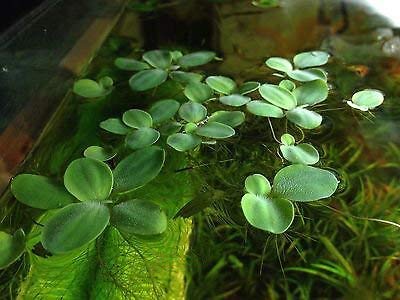
12 Dwarf Water Lettuce, Pistia stratiotes, Live Aquarium/Floating/Aquatic Plant
Common Species
Two notable species dominate the water lettuce landscape:
- Pistia stratiotes: This species features rosettes of green leaves and forms dense mats on water surfaces. It’s common in tropical and subtropical areas and contributes significantly to local ecosystems.
- Pistia spp.: Other species under the Pistia genus also exist, but Pistia stratiotes remains the most prevalent. Each species has unique characteristics, contributing to differing growth habits and habitat preferences.
Growth Habits
The growth habits of water lettuce are adaptive and efficient:
- Floating Growth: Water lettuce floats freely on water. Leaves extend outward, creating rosettes that can reach up to 12 inches wide.
- Rapid Reproduction: Water lettuce reproduces quickly through vegetative propagation. New rosettes can sprout from the parent plant, leading to rapid colonization.
- Fragmentation: Fragmentation occurs when portions of the plant break off and establish themselves in new locations, enhancing its spread further.
Knowing these types and their growth habits aids in recognizing and responding to potential infestations in aquatic systems.
Mechanisms Of Spread
Water lettuce spreads primarily through two mechanisms: vegetative reproduction and seed dispersal. Understanding these methods helps manage the plant effectively in aquatic ecosystems.
Recommended Products

Please see PRODUCT DESCRIPTION / ADDITIONAL IMAGES for DETAILS (quantities, size etc.)

LIVE PLANTS: Package includes 4 Extra Large fresh water Lettuce plants with vibrant green leaves and buoyant bulbs for immediate pond use
Vegetative Reproduction
Water lettuce propagates vegetatively by producing plantlets on stolons, which are horizontal stems that grow along the water surface. As plantlets mature, they can detach and drift to new locations, establishing new colonies. Each plant can produce several plantlets within a single growing season, leading to rapid population increases. In ideal conditions, such as warm temperatures and abundant sunlight, growth can accelerate, allowing for unchecked spread. If you observe dense mats of water lettuce in one area, it likely originated from a few initial plants that reproduced vegetatively.
Seed Dispersal
Water lettuce also reproduces through seeds, although this method is less common compared to vegetative propagation. Each flower can produce numerous seeds that float on the water’s surface. Wind, water flow, and animal activity help transport the seeds to new areas. In some cases, seeds may germinate when conditions are favorable, such as in nutrient-rich, warm waters. Even though seed-based spread doesn’t occur as frequently, it plays a role in long-distance dispersal, potentially establishing new populations in different aquatic habitats.
Environmental Factors Influencing Spread
Several environmental factors significantly affect how water lettuce spreads. Understanding these factors helps manage this plant effectively in aquatic ecosystems.
Water Conditions
Water lettuce thrives in specific water conditions. It prefers warm temperatures, typically ranging between 70°F and 90°F. Adequate sunlight also plays a role; the plant needs strong light for optimal growth. Shallow waters, usually less than 1 meter deep, allow the plant to float freely. Strong water currents can relocate detached plantlets, promoting spread. When conditions are favorable, such as calm water and abundant sunlight, water lettuce can rapidly increase in population.
Nutrient Availability
Nutrient availability is critical in the spread of water lettuce. High nutrient levels, particularly nitrogen and phosphorus, create an ideal environment. Fertile waters encourage faster growth and greater reproductive output. Eutrophication, often caused by runoff, boosts nutrient levels, leading to water lettuce proliferation. In nutrient-poor environments, growth slows and spread diminishes. Therefore, managing nutrient levels in aquatic systems can control water lettuce expansion.
Impacts Of Water Lettuce Spread
Water lettuce significantly affects ecosystems and economies. Understanding these impacts helps manage its spread effectively.
Recommended Products

Natural Filtration: Helps control nitrates and ammonia levels in your water environment

You will recieve 100+ leaves dwarf water lettuce grown in my personal home fish tanks with the utmost care!
Ecological Effects
Water lettuce alters aquatic ecosystems. Dense mats block sunlight, which affects submerged plants and disrupts photosynthesis. This leads to decreased oxygen levels, harming fish and other aquatic organisms. The rapid growth of water lettuce can lead to reduced biodiversity by outcompeting native plants. In turn, this affects the entire food web, as many species rely on native plants for habitat and nutrition. For instance, in Florida’s waterways, extensive water lettuce infestations have been linked to declines in native fish populations.
Economic Considerations
Water lettuce spread results in various economic challenges. Clogged waterways hinder recreational activities like boating and fishing, leading to reduced tourism income. Additionally, water treatment costs rise as municipalities must invest more resources to manage infestations. Some estimates suggest that managing invasive aquatic plants, including water lettuce, can cost local governments and water management authorities millions of dollars annually. Farmers also face challenges when water lettuce clogs irrigation systems, affecting crop yields and increasing maintenance costs. Managing these impacts requires coordinated efforts and strategies to keep water lettuce in check.
Conclusion
Understanding how water lettuce spreads is crucial for anyone involved in managing aquatic environments. By recognizing its rapid growth and the conditions that favor it, you can take proactive steps to mitigate its impact. Whether you’re a homeowner with a pond or a farmer relying on irrigation, being aware of water lettuce’s tendencies can help you protect your space.
With the right strategies in place, you can enjoy the beauty of aquatic plants while keeping your environment healthy and balanced. Stay informed and take action to ensure that water lettuce doesn’t take over your water bodies.
Frequently Asked Questions
What is water lettuce and how does it spread?
Water lettuce is a floating aquatic plant that spreads primarily through vegetative propagation and seed dispersal. The plant rapidly increases its population by forming detached plantlets on stolons, which can create new growth, and by dispersing seeds through water or wind.
What environmental factors affect the spread of water lettuce?
Water lettuce thrives in specific conditions such as warm temperatures, high light intensity, and nutrient-rich waters. These factors significantly enhance its ability to spread and establish in new habitats, making it a challenging plant to control in aquatic environments.
What ecological impacts does water lettuce have?
Water lettuce disrupts aquatic ecosystems by blocking sunlight, reducing oxygen levels, and outcompeting native plants. This can lead to serious ecological consequences, including the loss of biodiversity and the alteration of habitats for various aquatic species.
What economic challenges are associated with water lettuce?
The spread of water lettuce can hinder recreational activities, increase costs for water treatment, and impact farmers by clogging irrigation systems. The economic burden necessitates effective management strategies to mitigate these challenges.
How can we manage water lettuce infestations?
Managing water lettuce infestations requires coordinated efforts, including mechanical removal, chemical treatments, and encouraging competitive native species. A combination of these methods can help control its spread and minimize ecological and economic impacts.
