

Have you ever wondered why your potted lettuce isn’t thriving like you hoped? It can be frustrating to watch your greens struggle, especially when you’re putting in the effort to care for them. The key to a healthy lettuce plant often lies in how you water it.
Key Takeaways
- Understand Watering Needs: Proper watering is essential for the health and growth of potted lettuce, influencing flavor and yield.
- Check Soil Moisture: Monitor the top inch of soil; water when it feels dry to maintain consistent moisture levels.
- Consider Pot Size and Type: Use a well-draining potting mix in appropriately sized pots to support healthy root systems and moisture retention.
- Adjust for Environment: Be mindful of temperature and sunlight; increase watering frequency during hot weather and reduce it in cooler conditions.
- Recognize Signs of Stress: Identify symptoms of overwatering (yellowing leaves, root rot) and underwatering (crispy leaves, wilting) to adjust your watering schedule effectively.
- Implement Best Practices: Utilize techniques like drip irrigation and soil soaking to ensure deep moisture penetration for optimal lettuce growth.
Importance Of Proper Watering
Proper watering is crucial for the health and growth of lettuce in pots. Inadequate moisture results in wilted leaves, reduced yields, or even plant death. Understanding the specific watering needs of lettuce ensures lush, crunchy greens.
Maintaining consistent moisture levels helps the soil retain nutrients. When soil remains dry, nutrient absorption diminishes, causing stunted growth and poor flavor. Conversely, overwatering can lead to root rot and fungal diseases.
Key Factors to Consider:
- Soil Type:
- Use well-draining potting mix. A mix that retains moisture without becoming soggy supports healthy root systems.
- Pot Size:
- Choose appropriate pot sizes. Larger pots hold moisture longer, while smaller pots require more frequent watering.
- Environmental Conditions:
- Monitor temperature and sunlight. Hot, sunny days increase evaporation, necessitating more frequent watering.
- Growth Stage:
- Adjust watering based on the plant’s growth stage. Young lettuce has different moisture needs than mature plants.
- Water early in the morning or late in the evening. This timing reduces evaporation and allows moisture to penetrate the soil.
- Check soil moisture before watering. Insert a finger into the soil about an inch deep. If it feels dry, it’s time to water.
- Water deeply but infrequently. Aim for one thorough soaking rather than several light waterings to encourage deep root growth.
Adopting these practices helps establish a thriving pot of lettuce, leading to an abundant harvest.
Best Practices For Watering Lettuce
Proper watering is essential for thriving potted lettuce. Consistency helps maintain health and yield. Here are some best practices to follow.
Recommended Products

Complete 16-piece Drip irrigation kit eliminates watering by hand, simply turn on faucet to water all your plants at once

【Upgraded Tube Design & Water Saving】 Our garden watering system is upgraded to 1/2” diameter to support high water pressure. The 1/2” tee connector allows seamless splitting into 2 independent zones for customized watering schedules. By delivering moisture directly to root zones, this drip Irrigation system significantly reduces evaporation and runoff—saving more water compared to conventional sprinklers while eliminating the need for manual watering.

【Upgraded Tube Design & Water Saving】 Our adjustable garden watering system is upgraded to 1/2” diameter to support high water pressure. The 1/2” tee connector in the package so you can easily set up 2 drip irrigation systems as needed. Garden watering systems minimize stage water loss by recharging water directly to plant roots. While traditional irrigation often results in wasted water, this drip irrigation system saves up to 70% of water, no need for manual watering, saves water.
Watering Frequency
Water potted lettuce regularly to keep the soil consistently moist. Check the soil moisture every 1-2 days. When the top inch of soil feels dry, it’s time to water. In hot weather, you might water daily. During cooler temperatures, adjust your frequency to every 2-3 days. Lettuce prefers moisture, so avoid letting the soil dry out completely.
Watering Techniques
Use efficient watering techniques to ensure deep penetration of moisture. Here are a few effective methods:
- Drip Irrigation: Install a drip system for steady watering, especially if you have multiple pots. This method delivers water directly to the roots while minimizing evaporation.
- Soak and Drain: Water the pot until you see excess water draining from the bottom. This ensures the entire root system receives moisture. Allow pots to drain well to prevent waterlogged soil.
- Bottom Watering: Place pots in a shallow tray filled with water. This technique allows the roots to absorb moisture from the bottom, promoting strong growth.
By implementing these watering frequency and techniques, you optimize the conditions for your potted lettuce to flourish.
Signs Of Overwatering And Underwatering
Recognizing the signs of overwatering and underwatering is crucial for maintaining healthy potted lettuce. Understanding these indicators helps you adjust your watering practices effectively.
Recommended Products

Trusted Since 2015: Become one of the many plant lovers who rely on the proven accuracy of XLUX. Established in 2015, our soil moisture meter has earned over 60,000+ verified ratings for its consistent performance. While many many newer brands come and go, we provide the long-term reliability and quality that American households have trusted for over a decade.

Accurate Soil Moisture Detection: The XLUX Soil Moisture Meter can tell you if the soil deep inside your pot or garden is dry, moist or wet; whereas your eyes and fingers can only determine the moisture level of the soil surface. The probe is 5.5 inches (14 cm) longer than regular styles, allowing it to measure the soil moisture at the bottom of larger and deeper flower pots.

【SAVE YOUR PLANTS】: Over watering can cause problems with your plants or even kill them. This soil moisture meter helps you know the soil is dry, moist or wet.No more over watering!
Overwatering Indicators
- Yellowing Leaves: Leaves typically appear limp and yellow when overwatered. This indicates root stress.
- Wilting Despite Moisture: If leaves droop even when the soil feels wet, your plants may be oversaturated.
- Root Rot: Dark, mushy roots signal excessive watering. Inspect your plants periodically for this sign.
- Fungal Growth: Mold or mildew on the soil surface suggests too much moisture in the environment.
- Decreased Growth: Stunted growth or poor development often follows chronically wet conditions.
- Crispy Leaves: Leaves start to feel dry and crispy at the edges when potted lettuce lacks water.
- Dropping Leaves: Low moisture levels cause plants to shed leaves to conserve resources.
- Wilting: A noticeable droop in leaves indicates that the plant is thirsty.
- Brittle Stems: Stems can become dry and weak, making the plant less resilient.
- Slow Growth: Underwatered lettuce shows signs of slowed growth or container-bound issues.
Monitoring these signs helps you maintain an ideal watering routine. Adjust your watering schedule based on the specific conditions of your potted lettuce to ensure optimal growth.
Ideal Watering Conditions
Proper watering conditions enhance the growth of your potted lettuce. Focusing on the soil type and weather conditions ensures your plants thrive.
Recommended Products
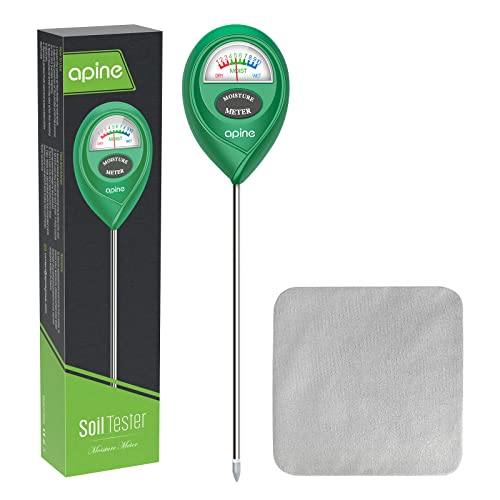
Quick Measurement:Just insert the probe of the plant water meter into the soil about two to four inches,wait a few seconds,you can get the soil moisture immediately.The color division of the dial is simple and clear,and the elderly can easily use it

Soil Moisture Meter: This single probe soil moisture meter is specially designed for testing the moisture level in the soil, helps you decide whether the plants need water or not, helps to keep plants alive.

Accurate Soil Moisture Detection: The XLUX Soil Moisture Meter can tell you if the soil deep inside your pot or garden is dry, moist or wet; whereas your eyes and fingers can only determine the moisture level of the soil surface. The probe is 5.5 inches (14 cm) longer than regular styles, allowing it to measure the soil moisture at the bottom of larger and deeper flower pots.
Soil Type
Soil type significantly impacts water retention and drainage. Use a well-draining potting mix designed for vegetables. A mix with peat moss, perlite, and compost works well. This combination retains moisture while allowing excess water to escape. Test the soil moisture by sticking your finger into the mix about an inch deep. If it’s dry, it’s time to water. If it’s still damp, wait another day.
Weather Considerations
Weather conditions impact the watering frequency for your lettuce. During warm, sunny days, you’ll require more frequent watering, possibly every day. In cooler or rainy weather, reduce watering to every few days. Monitor the leaves closely: if they start to droop, it’s a sign they need water. Always check the moisture level before watering to avoid overwatering, especially during cooler periods. Adjust based on weather forecasts and current humidity levels to ensure consistent moisture for optimal growth.
Conclusion
Taking care of your potted lettuce doesn’t have to be complicated. By keeping an eye on soil moisture and adjusting your watering routine based on the weather you can help your plants flourish. Remember to look for those telltale signs of stress so you can respond quickly.
With a little attention and the right techniques your lettuce will reward you with vibrant leaves and a bountiful harvest. Enjoy the process and savor the satisfaction of growing your own fresh greens right at home. Happy gardening!
Frequently Asked Questions
What is the best way to water potted lettuce plants?
Proper watering involves checking soil moisture regularly and using techniques like drip irrigation or bottom watering. Aim for a well-draining potting mix to maintain consistent moisture without overwatering.
How often should I water lettuce in pots?
Watering frequency depends on environmental conditions. Generally, check the soil every few days and water when the top inch is dry. Adjust based on weather—more frequent watering in hot, dry conditions.
What are signs of overwatering potted lettuce?
Signs of overwatering include yellowing leaves, wilting, and root rot. You may also see fungal growth. Ensure the pot has good drainage and avoid waterlogged soil to prevent these issues.
How can I tell if my potted lettuce is underwatered?
Underwatered lettuce shows signs like crispy leaves, dropping leaves, brittle stems, and slow growth. To rectify, increase watering frequency and ensure the soil retains moisture without staying soaked.
Why is soil type important for potted lettuce?
Using a well-draining potting mix with ingredients like peat moss and perlite is crucial for potted lettuce. This helps maintain adequate moisture levels and prevents root rot while promoting healthy growth.
