

Ever wondered how to give your tomato plants the best possible care without breaking the bank? Picture this: you’re a tomato enthusiast, eagerly nurturing your plants, but unsure about the ideal amount of worm castings they need for optimal growth. How can you ensure your tomatoes thrive and produce bountiful harvests?
In this article, we’ll guide you through the process of determining just how much worm castings each tomato plant requires to flourish. By understanding this simple yet crucial aspect of gardening, you’ll be equipped with the knowledge to boost your plants’ health and yield. Let’s explore together how incorporating worm castings into your gardening routine can make a significant difference in the success of your beloved tomato plants.
Key Takeaways
- Worm castings are valuable organic fertilizers rich in essential nutrients for tomato plants.
- Benefits of using worm castings include improved nutrient absorption, soil structure, disease resistance, and increased yield.
- Guidelines suggest using 1/4 cup per seedling and 1/2 to 1 cup per mature tomato plant for optimal growth.
- Application techniques like mixing into the soil and top dressing help provide nutrients effectively.
- Monitoring tomato plant health post-application is crucial to address any issues promptly for thriving plants.
Understanding Worm Castings as Fertilizer
Worm castings are a valuable resource in gardening, especially when it comes to nurturing tomato plants. Here’s what you need to know about using worm castings effectively:
What Are Worm Castings?
Worm castings, also known as vermicompost, are the digested organic matter excreted by earthworms. These nutrient-rich pellets are a natural fertilizer that improves soil structure and provides essential nutrients for plant growth.
Benefits for Tomato Plants
Incorporating worm castings into your gardening routine offers numerous benefits for your tomato plants:
- Enhanced Nutrient Absorption: Worm castings contain high levels of nitrogen, phosphorus, potassium, and other micronutrients vital for healthy plant development.
- Improved Soil Structure: The organic matter in worm castings helps aerate the soil, promoting root growth and water retention.
- Disease Resistance: The beneficial microbes present in worm castings can help protect tomato plants against certain diseases.
- Increased Yield: By providing a steady release of nutrients over time, worm castings support robust growth and higher fruit production.
By understanding the role of worm castings as a fertilizer and their specific advantages for tomato plants, you can optimize the health and productivity of your garden.
How Much Worm Castings to Use per Tomato Plant
When it comes to using worm castings for your tomato plants, the amount you apply can significantly impact their growth and yield. Here’s a breakdown of how much worm castings you should use for both seedlings and mature tomato plants.
Recommended Products

NO GLOVES NEEDED – 100% NATURAL, ORGANIC EARTHWORM CASTINGS: Obtained from earthworms, worm castings are an excellent source of micro-nutrients that are essential to growing plants such as potassium, nitrogen, and phosphorus, all of which are key for plant growth and development. Worm castings naturally enrich dirt and plant roots and safe to use anywhere so no gloves needed during application. Neutral pH (7 pH).

SUPERCHARGE YOUR GARDEN: Elevate your plants' growth with premium organic Brut Worm Castings. Our certified organic formula guarantees optimal nutrition for your indoor and outdoor plants.

Boosts Microbial Activity: True Organic Worm Castings enhance soil biology, fostering a rich environment that encourages healthy plant growth and higher yields.
Guidelines for Seedlings
For young tomato seedlings, it’s recommended to start with a conservative approach when applying worm castings. A general guideline is to use about 1/4 cup of worm castings per seedling. This amount provides a gentle boost of nutrients without overwhelming the delicate roots of the young plants.
Guidelines for Mature Tomato Plants
As your tomato plants mature, they can benefit from a slightly higher dosage of worm castings. For established or mature tomato plants, consider applying around 1/2 to 1 cup of worm castings per plant. This increased amount helps support the larger root systems and higher nutrient demands of mature tomatoes, promoting robust growth and fruit development.
By following these guidelines based on the growth stage of your tomato plants, you can ensure they receive the right amount of nourishment from worm castings to thrive and produce an abundant harvest.
Application Techniques
When applying worm castings to your tomato plants, there are specific techniques you can use to ensure optimal growth and health. Here are some practical methods for incorporating worm castings into your gardening routine:
Recommended Products

Earth Worm castings from Mother Earth provide the best soil amendment for anything indoors or outdoors, including vegetables, herbs, flowers and houseplants. Pure USA Vermicompost, so there's no burn or odor.
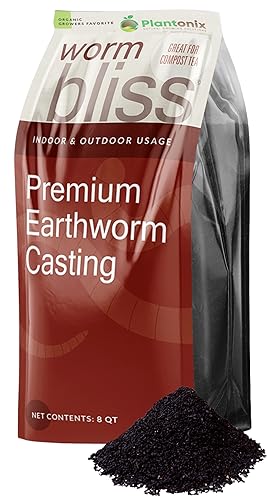
Organic Worm Fertilizer for Plants - Worm castings are a 100% natural soil amendment and garden fertilizer for indoor plants and outdoor plants. Organic earthworm castings are rich in essential nutrients like nitrogen, phosphorus, and potassium, as well as trace minerals that improve soil conditions for better overall plant mass.
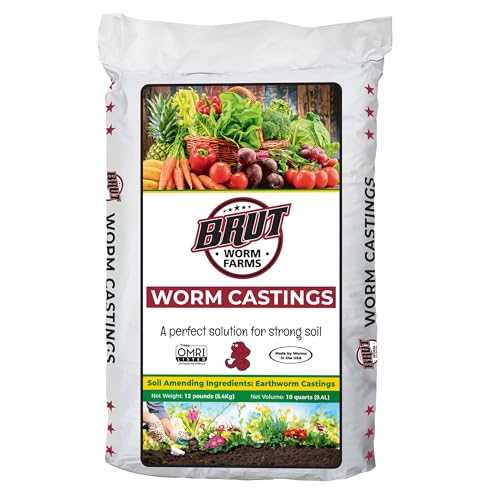
SUPERCHARGE YOUR GARDEN: Elevate your plants' growth with premium organic Brut Worm Castings. Our certified organic formula guarantees optimal nutrition for your indoor and outdoor plants.
Mixing with Soil
Mixing worm castings directly into the soil is a beneficial way to provide long-lasting nutrients to your tomato plants. When transplanting seedlings, mix in around 1/4 cup of worm castings per plant into the soil at the base of the hole. This gentle application ensures that the delicate roots receive essential nutrients without overwhelming them.
For mature tomato plants, consider mixing 1/2 to 1 cup of worm castings per plant into the soil around the root zone. This higher amount caters to the larger root systems and increased nutrient requirements of established plants. Ensure thorough mixing for even distribution of nutrients throughout the soil.
Top Dressing
Top dressing involves applying a layer of worm castings on top of the soil around your tomato plants. This method provides a concentrated boost of nutrients that gradually seep into the soil as it decomposes, enriching the root zone over time.
To top dress your tomato plants, sprinkle a layer of worm castings about half an inch thick around each plant, ensuring it does not touch the stems directly. Gently work the castings into the top layer of soil without disturbing the roots. This technique helps improve nutrient uptake and supports overall plant health throughout the growing season.
By utilizing these application techniques when using worm castings on your tomato plants, you can enhance their growth, improve fruit yield, and promote robust plant development. Experiment with these methods based on your plants’ needs and growth stages for optimal results in your garden.
Monitoring Tomato Plant Health After Application
After applying worm castings to your tomato plants, it’s essential to monitor their health regularly. Here are some key aspects to keep an eye on:
Recommended Products


NATURAL AND ORGANIC NUTRIENT RICH FERTILIZER: We’re on a mission to get America growing again and it all starts with what’s right beneath us — your soil; Grow a bountiful garden in your home with the Back to the Roots All-Purpose Peat-Free Potting Mix, packed with the nutrients needed for your plants, flowers, and vegetables to thrive

100% Pure Castings: Each bag of WIGGLE WORM Worm Castings is OMRI listed organic, nutrient-rich, and mineral-dense pure castings, not vermicompost or uneaten worm bedding, and is one of the only castings products to be recognized as a fertilizer due to our special manufacturing and harvesting process.
Signs of Adequate Nutrition
- Vibrant Foliage: Look for lush green leaves that indicate proper nutrient uptake.
- Sturdy Stems: Strong stems suggest good structural support provided by the nutrients.
- Fruit Development: Healthy fruit setting and growth demonstrate adequate nutrition levels.
- Yellowing Leaves: This can be a sign of nutrient deficiency or overwatering.
- Wilting Plants: Indicates potential issues with water absorption or root health.
- Pest Infestation: Keep an eye out for pests attracted to weakened plants due to poor nutrition.
By observing these indicators post-worm casting application, you can address any issues promptly and ensure your tomato plants thrive.
Conclusion
That’s it! Remember, using worm castings can work wonders for your tomato plants. By following the recommended amounts and application techniques, you’re setting your plants up for success. Keep an eye on their health indicators to ensure they’re thriving. Happy gardening!
Frequently Asked Questions
What are the benefits of using worm castings for tomato plants?
Worm castings improve soil quality, enhance nutrient absorption, boost disease resistance, and increase yield for tomato plants.
How much worm castings should I use for tomato seedlings?
For tomato seedlings, mix 1 part worm castings with 3 parts potting soil when transplanting.
How can I incorporate worm castings into my gardening routine for mature tomato plants?
Top dress around mature tomato plants with a layer of worm castings or mix them into the soil during transplanting.
What signs indicate that my tomato plants are receiving adequate nutrition post-worm casting application?
Look for vibrant foliage, sturdy stems, and healthy fruit development as indicators of proper nutrition intake by your tomato plants.
What are some warning signs that suggest potential issues with my tomato plants after applying worm castings?
Yellowing leaves, wilting plants, and pest infestation signal potential problems in your tomato plant health post-worm casting application. Prompt action is crucial to ensure plant vitality.
