

Have you ever wondered why your tomato plants seem to disappear overnight? Picture this: You wake up excited to check on your flourishing garden, only to find your prized tomato plants ravaged. The culprit might just be closer than you think – moles!
In this article, we’ll explore the age-old question: do moles have a taste for tomato plants? By understanding these underground creatures’ behavior and preferences, you’ll gain valuable insights into protecting your garden and ensuring a bountiful harvest. Let’s uncover the truth about moles and their potential impact on your beloved tomato plants.
Key Takeaways
- Moles are insectivores that primarily feed on earthworms, grubs, and insects underground.
- Moles do not intentionally eat tomato plants but may disrupt their root systems while tunneling for prey.
- Signs of a mole infestation include raised ridges, tunnels, and molehills in the garden.
- Mole activity can lead to reduced nutrient uptake by plants and hinder their growth.
- Prevention measures against moles include using physical barriers, maintaining a tidy garden, planting marigolds, and avoiding overwatering.
- Safe removal strategies for moles involve humane traps, creating vibrations, applying natural repellents, or seeking professional help.
Understanding Moles and Their Diet
Moles are insectivores, primarily feeding on earthworms, grubs, and insects that live underground. They have high metabolisms and constantly need food to survive.
What Do Moles Typically Eat?
Moles typically consume small invertebrates like earthworms, insects, and grubs found in the soil. Their diet consists mainly of protein-rich creatures living beneath the surface.
Are Plants Part of Moles’ Diet?
While moles primarily target underground pests, they may inadvertently damage plant roots while tunneling in search of their preferred prey. However, moles do not intentionally feed on plants like tomato vines or other vegetation growing above ground.
The Impact of Moles on Gardens
When it comes to your garden, moles can have a significant impact not only on your plants but also on the overall soil health. Understanding how moles affect these aspects is crucial in maintaining a thriving garden environment.
How Moles Affect Soil and Plant Health
Moles tunnel underground in search of their primary diet consisting of earthworms, grubs, and insects. As they burrow through the soil, they inadvertently disturb the root systems of plants, including tomato plants. This disruption can lead to reduced nutrient uptake by the plants and hinder their growth. Additionally, mole tunnels create air gaps in the soil, affecting its structure and water retention capabilities. Consequently, this can result in poor plant health due to inadequate access to essential nutrients and water.
Common Signs of a Mole Infestation
Identifying a mole infestation early is key to preventing extensive damage to your garden. Some common signs include raised ridges or tunnels running across your lawn or garden beds. These surface tunnels are created as moles search for food underground. Moreover, you may notice mounds of soil (molehills) appearing in your garden as moles push excess dirt to the surface while digging their tunnels. Keep an eye out for wilting or damaged plants with disrupted root systems caused by mole activity beneath the surface.
By recognizing these signs early on and understanding how moles impact soil and plant health, you can take proactive measures to protect your garden from these subterranean creatures effectively.
Moles and Tomato Plants
When it comes to moles and tomato plants, here’s what you need to know:
Recommended Products
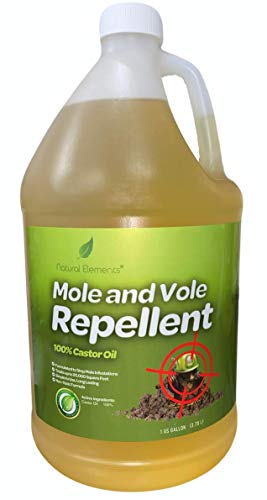
🌿 Harness the Power of Pure Castor Oil: Uniquely formulated with 100% castor oil, this repellent disrupts the sensory perception of moles and voles, making your property an unattractive habitat. Say goodbye to lawn damage as the creatures naturally choose to relocate.

STOPS DIGGING & DESTROYING: Say goodbye to messy mounds and tunnels. These repellent balls create an invisible barrier against Moles, Voles, Gophers, Armadillos, Rabbits, and Ground Squirrels, preserving the beauty of your lawn and flower beds.

Do Moles Directly Eat Tomato Plants?
Moles are not known for directly eating tomato plants. These subterranean creatures primarily feast on earthworms, grubs, and insects found underground. While they may inadvertently harm plant roots while hunting for prey, they do not intentionally target tomato vines or other above-ground vegetation. Therefore, if you notice damage to your tomato plants, moles might not be the culprits.
Indirect Effects of Mole Activity on Tomato Plants
Although moles don’t consume tomato plants directly, their presence can still impact your garden. By tunneling underground in search of food, moles can disrupt the root systems of your tomato plants. This disturbance can lead to reduced nutrient absorption by the roots and hindered plant growth over time.
To protect your tomato plants from these indirect effects of mole activity:
- Monitor Your Garden: Keep an eye out for raised ridges, tunnels, and molehills in your garden as signs of a mole infestation.
- Early Detection: Detecting mole activity early is crucial to prevent extensive damage to your garden soil and plant health.
- Take Proactive Measures: Implement strategies like installing barriers or traps to deter moles from disrupting your tomato plants’ root systems.
By staying vigilant and taking proactive steps, you can safeguard your tomato plants from the potential impacts of mole activity in your garden.
Managing Moles in Your Garden
Are you worried about moles wreaking havoc in your garden? Here are some practical tips to help you manage these underground creatures effectively.
Recommended Products

Package Includes: you will receive 16 pieces mole repellent solar powered, each mole repellent stake measures approx. 25 x 5.6 x 5.6 cm/ 9.84 x 2.20 x 2.20 inches, fit for your daily use; It is a nice way to use the ultrasonic repellent to repel moles, gophers, voles and other destructive animals, protecting your garden, yard, lawn

COVERAGE AND PROTECTION: Nature's MACE 10 LB Granular bag covers up to 8,000 Sq. Ft, protecting fields, lawns, gardens, flowerbeds, landscapes, and playgrounds from moles, voles, gophers, and armadillos
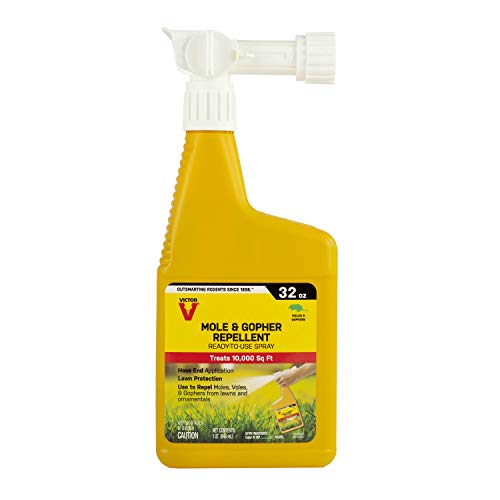
REPELS MOLES & GOPHERS: Quickly repels moles, gophers, voles, armadillos, and other burrowing animals with the M8002 Victor Mole & Gopher Repellent Ready to Use Spray
Prevention Tips for Keeping Moles Away
To deter moles from invading your garden and protect your tomato plants, consider implementing the following prevention strategies:
- Use Physical Barriers: Install underground barriers made of wire mesh or hardware cloth around vulnerable areas to prevent moles from burrowing into your garden beds.
- Maintain a Tidy Garden: Remove excess thatch, mulch, and debris where insects like grubs thrive, as moles feed on these pests. Keeping your garden clean can reduce mole activity.
- Plant Marigolds: Consider planting marigolds around your tomato plants; their strong scent may deter moles from coming near.
- Avoid Overwatering: Excess moisture can attract worms and insects that serve as food for moles. Proper watering practices can help minimize mole attraction.
Safe and Effective Mole Removal Strategies
If you’re already dealing with a mole infestation, here are some safe and effective ways to remove them from your garden:
- Use Humane Traps: Set up live traps designed specifically for capturing moles without harming them. Check the traps regularly and release captured moles far away from your property.
- Create Vibrations: Use vibrating stakes or wind chimes in the ground to create vibrations that may discourage moles from staying in the area.
- Apply Natural Repellents: Consider using natural repellents like castor oil-based products or garlic and chili pepper sprays to deter moles from frequenting your garden.
- Consult Professionals: If mole infestations persist despite your efforts, seek assistance from pest control professionals who specialize in humane wildlife removal methods.
By following these prevention tips and employing safe removal strategies, you can effectively manage mole activity in your garden while safeguarding your beloved tomato plants against potential harm.
Conclusion
You now know that moles might not directly feast on your tomato plants, but they can still wreak havoc on your garden by disrupting the roots. By implementing the strategies mentioned in this article, you can safeguard your precious tomato plants from mole interference. Remember to fortify your garden with barriers, keep it neat and tidy, incorporate marigolds, and watch your watering habits. If faced with a mole invasion, opt for humane traps or natural repellents to address the issue effectively. With these tips in mind, you’re equipped to maintain a flourishing garden free from mole-induced troubles. Happy gardening!
Frequently Asked Questions
Recommended Products

Drive Moles & Voles Away - Our castor oil sends moles & voles in the opposite direction of your home & property. Our formula was specifically designed to impact natural behaviors of these critters. Nature's MACE Castor Oil taints their food source, and leaves an unpleasant smell that moles & voles cannot stand! Moles & voles will go away, searching elsewhere for food.

🌿100% Pure Castor Oil Formula: Made from pure, plant derived castor oil. This repellent influences the sensory perception of moles and voles, making your property an unattractive habitat. This outdoor formula is designed to help create an environment that discourages moles, voles, and gophers from settling in your lawn and garden

Drive Moles & Voles Away - Our castor oil sends moles & voles in the opposite direction of your home & property. Our formula was specifically designed to impact natural behaviors of these critters. Nature's MACE Castor Oil taints their food source, and leaves an unpleasant smell that moles & voles cannot stand! Moles & voles will go away, searching elsewhere for food.
Do moles eat tomato plants?
No, moles do not feed on tomato plants. They primarily consume earthworms, grubs, and insects found in the soil.
How do moles affect tomato plants?
Moles can indirectly harm tomato plants by disrupting their root systems while burrowing underground. This disturbance can impact the plant’s ability to absorb nutrients and water from the soil.
What are some strategies for managing moles in gardens?
To control mole activity in gardens, consider using physical barriers like wire mesh, maintaining a well-groomed garden to reduce hiding spots, planting marigolds as a natural deterrent, and avoiding overwatering that can attract them.
How can I safely remove moles from my garden?
Safe methods for removing moles include setting up humane traps to catch and relocate them, creating vibrations in the ground to deter them, applying natural repellents like castor oil-based products, or seeking assistance from pest control professionals for severe infestations.
