

Have you ever wondered why some gardeners swear by putting an egg in the hole when planting tomatoes? Picture this: you’re in your backyard, ready to start your tomato garden, but unsure about this peculiar trick. Well, you’re not alone. Many beginners often question its effectiveness.
Key Takeaways
- Placing an egg in the hole when planting tomatoes can provide valuable nutrients like calcium and potassium to enrich the soil.
- Eggs help prevent issues like blossom end rot in tomatoes by gradually releasing essential nutrients as they decompose.
- Crushed eggshells should be clean and strategically placed at the bottom of the planting hole to enhance soil fertility without attracting pests.
- Incorporating eggs into tomato planting processes can boost calcium levels, promote healthier growth, and potentially increase yield.
- Concerns about rotting or smell issues from using eggshells are addressed by proper preparation and placement techniques.
- Clean, crushed eggshells act as a natural pest deterrent with their sharp edges, safeguarding tomato plants while benefiting soil health.
Understanding the Role of Eggs in Tomato Planting
The Basic Concept
When planting tomatoes, gardeners often place an egg in the hole alongside the seedling. This practice is based on the idea that as the egg decomposes, it releases valuable nutrients into the soil. The calcium from the eggshell can help prevent blossom end rot in tomatoes, a common issue caused by calcium deficiency.
Nutritional Benefits to Soil
Eggs provide essential nutrients like calcium and potassium to enrich the soil. Calcium plays a crucial role in preventing diseases such as blossom end rot in tomatoes, while potassium supports overall plant growth and fruit development. By incorporating eggs into your tomato planting process, you’re enhancing the soil’s fertility naturally without relying solely on synthetic fertilizers.
How to Properly Use Eggs When Planting Tomatoes
Recommended Products

For more nutritious and tasty vegetables

Package contains 18 tomato fertilizer spikes and are produced to avoid wasteful runoff, mess, hazards and smells

Natural Pasteurized Eggshell Powder: Farm fresh eggshell fertilizer powder specially processed for safe use in your garden with all types of plants
Preparing the Egg
To optimize the benefits of using eggs when planting tomatoes, start by preparing them adequately. You can use fresh or leftover eggshells for this purpose. Crush the eggshells into small pieces as they decompose faster in the soil, releasing nutrients more efficiently. Ensure the shells are clean and free from any remaining egg content to prevent attracting pests.
Placement in the Planting Hole
When it comes to placing eggs in the planting hole for tomatoes, it’s essential to do so strategically. After digging a hole for your tomato plant, add one or two crushed eggshells at the bottom before placing your seedling. The proximity of the eggs to the roots ensures a gradual release of calcium and potassium as they decompose, providing vital nutrients directly to the growing plant.
By following these simple steps and incorporating eggs into your tomato planting process, you can naturally enhance soil fertility and promote healthier growth without relying solely on synthetic fertilizers.
Potential Benefits of Eggs for Tomato Plants
Eggs can offer numerous advantages to your tomato plants, enhancing their growth and overall health. Let’s delve into the potential benefits eggs provide for your tomato plants.
Recommended Products
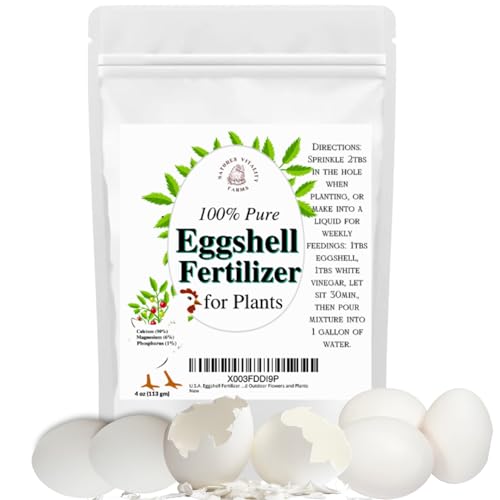
Natural Pasteurized Eggshell Powder: Over 18 farm fresh eggshell fertilizer powder specially processed for safe use in your garden with all types of plants

FOR USE ON: Use Tomato-tone organic fertilizer for all types of tomatoes; both heirloom and hybrid. It Produces plump, abundant tomatoes, not unwanted foliage. Can also be used on all vegetables.

ORGANIC PLANT FOOD: This liquid fertilizer for tomatoes & vegetables provides nutrients to ensure superior results.
Boosting Calcium Levels
By incorporating crushed eggshells into the planting hole of your tomatoes, you’re effectively boosting the calcium levels available to the plants. This essential nutrient plays a vital role in preventing blossom end rot, a common issue faced by many gardeners. The gradual release of calcium from decomposing eggshells ensures that your tomato plants have a steady supply of this crucial element throughout their growth stages.
Enhancing Growth and Yield
The nutrients present in eggs, such as calcium and potassium, contribute significantly to the overall growth and yield of tomato plants. These essential minerals aid in root development, flower formation, and fruit production. By providing a natural source of nutrients through eggshells, you’re fostering healthier growth patterns and potentially increasing the yield of your tomato harvest.
Common Concerns and Misconceptions
When it comes to using eggs in the hole for planting tomatoes, there are some common concerns and misconceptions that you might encounter. Let’s address them to help you understand why this practice can be beneficial.
Recommended Products
Organic Valley Plant and Vegetable Compost and Peat Planting Mix 0.75 cu ft

You Will Love Our Product: Not all compost is created equal. Our compost is not in the same category as the bag you buy in your big box store. It is concentrated plant fertilizer that will jumpstart the bioactivity and nutrient content of your soil.

Vegan-Friendly: Charlie's Vegan Compost is made without the use of animal products or by-products, making it a vegan-friendly option for those who are looking to reduce their environmental impact and support cruelty-free gardening practices. You can trust that you're providing your plants with a compost that is not only beneficial for them but also for the planet and its inhabitants.
Rot and Smell Issues
You might be worried about potential rotting or unpleasant smells from incorporating eggshells into the planting hole. However, when crushed eggshells are properly prepared and placed at the bottom of the hole, they gradually release nutrients as they decompose without causing any significant odor issues. The decomposition process is natural and helps enrich the soil around your tomato plant, promoting healthy growth without unwanted side effects.
Attracting Pests
Another concern you might have is attracting pests by placing eggshells in the planting hole. Rest assured that clean, crushed eggshells deter pests like slugs and snails due to their sharp edges, acting as a natural barrier rather than an attractant. By ensuring that the eggshells are free of any remaining egg whites or yolks before adding them to the soil, you can prevent pest infestations while still benefiting from their nutrient-rich properties for your tomato plants.
Conclusion
Now you know the secret to boosting your tomato plants’ health naturally by incorporating crushed eggshells into the planting hole. By providing essential nutrients like calcium and potassium, these eggshells help prevent common issues such as blossom end rot. Remember, proper preparation is key to reaping the benefits without inviting pests. The gradual release of nutrients as the shells decompose enriches the soil, while their sharp edges act as a natural barrier against unwanted visitors like slugs and snails. So next time you’re planting tomatoes, consider adding crushed eggshells for a nutrient-rich boost that promotes robust growth and keeps pests at bay. Happy gardening!
Frequently Asked Questions
Q: Why should I use crushed eggshells when planting tomatoes?
A: Crushed eggshells enrich the soil with calcium and potassium, helping prevent issues like blossom end rot naturally.
Q: How should I prepare the eggshells to avoid attracting pests?
A: Clean and crush the eggshells thoroughly to deter pests while benefiting from their nutrient-rich properties.
Q: Do crushed eggshells cause rotting or unpleasant smells in the soil?
A: When placed correctly, crushed eggshells do not cause rotting or odors but gradually release nutrients as they decompose.
Q: Can crushed eggshells act as a natural pest deterrent?
A: Yes, clean, crushed eggshells can deter pests like slugs and snails due to their sharp edges.
