

Ever wondered why your cucumber plants aren’t thriving as you’d hoped? Are they looking a bit lackluster despite your best efforts? Picture this: you’re diligently tending to your garden, yet the cucumbers seem to be missing that vibrant, healthy glow. What could be the missing piece of the puzzle?
In this article, you’ll uncover the secrets to providing your cucumber plants with the perfect hydration they need to flourish. By understanding how much water your cucumbers truly require, you’ll be equipped to nurture them to their full potential. Say goodbye to wilted leaves and hello to a bountiful harvest – all by mastering the art of watering your cucumbers effectively.
Signs of Overwatering Cucumbers
Signs of overwatering:
- Yellowing leaves
- Wilting
Effects of overwatering:
- Root rot
- Stunted growth
- Check soil moisture before watering
- Provide proper drainage
Remember, cucumbers prefer moist soil, not wet.
Recommended Products

Accurate Soil Moisture Detection: The XLUX Soil Moisture Meter can tell you if the soil deep inside your pot or garden is dry, moist or wet; whereas your eyes and fingers can only determine the moisture level of the soil surface. The probe is 5.5 inches (14 cm) longer than regular styles, allowing it to measure the soil moisture at the bottom of larger and deeper flower pots.
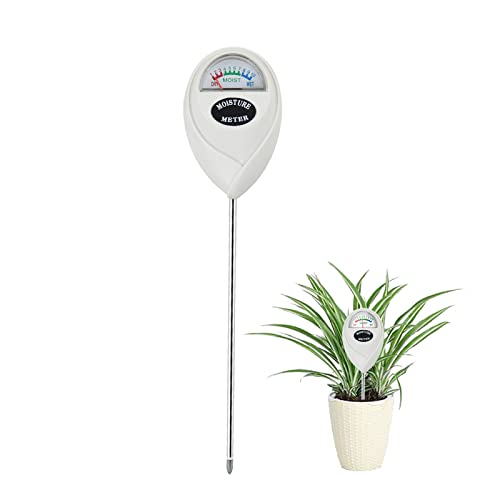
【SAVE YOUR PLANTS】: Over watering can cause problems with your plants or even kill them. This soil moisture meter helps you know the soil is dry, moist or wet.No more over watering!

✔️Accurate - A helpful tool of water meter for indoor plants which senses the moisture in the soil around plants. No more guess if the plant needs more or less water
Signs of Underwatering Cucumbers
If your cucumber plants are not getting enough water, they’ll display specific signs to let you know they need more attention:
- Dry and crispy leaves
- Slow growth and small fruits
- Wilting, starting from the bottom leaves
When you notice these signals, increase watering and ensure the soil is consistently moist.
Ideal Watering Schedule for Cucumbers
Watering your cucumber plants correctly is crucial for their growth and productivity. Here’s a guide on the ideal watering schedule to help your cucumbers thrive:
- Frequency:
- Early Growth Stage: Water every 2-3 days.
- Fruiting Stage: Increase frequency to daily watering, especially in hot weather.
- Amount:
- Early Growth Stage: Provide 1-1.5 inches of water per week.
- Fruiting Stage: Aim for 1.5-2 inches of water per week.
- Method:
- Morning Watering: Best time to water, allowing leaves to dry out during the day.
- Root Watering: Focus on watering the base of the plants to reach the roots efficiently.
- Soil Moisture:
- Consistency: Maintain moist, not soggy soil to promote healthy growth.
- Check: Use a soil moisture meter to assess moisture levels regularly.
- Hydration Indicators:
- Cucumber Texture: Ensure a crunchy texture in cucumbers, indicating proper hydration.
- Leaf Health: Healthy, vibrant leaves are a sign of adequate watering.
- Weather Considerations:
- Hot/Dry Conditions: Increase watering frequency to prevent dehydration.
- Rainfall: Adjust watering accordingly, ensuring plants receive consistent moisture.
Remember, consistent and adequate watering is key to growing delicious cucumbers.
Recommended Products
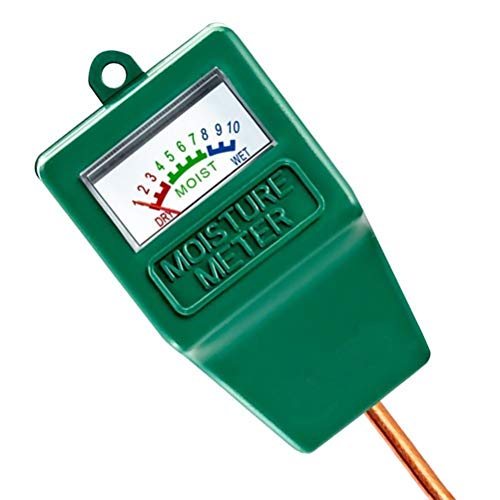
Soil Moisture Meter: This single probe soil moisture meter is specially designed for testing the moisture level in the soil, helps you decide whether the plants need water or not, helps to keep plants alive.

Accurate Monitor: Visible window from blue to white as soil moisture decreases. One glance tells you if there's a water shortage.
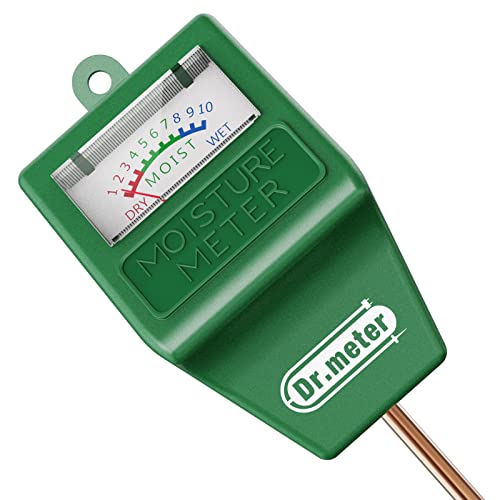
Compact & Portable: Have you been sticking your finger in the soil hoping to feel when it's time to water? Why not eliminate the guesswork and keep your hands clean when you use the Dr.meter Soil Moisture Sensor Meter! Know the right time to water your garden, farm, lawn and houseplants, anytime.
Watering Techniques for Cucumber Plants
Watering your cucumber plants properly is crucial for their growth and productivity. Here are some essential tips to help you master the art of watering your cucumbers:
- Morning Watering: Water your cucumber plants in the morning to allow the foliage to dry off during the day, reducing the risk of diseases.
- Focus on Roots: Direct water at the base of the plants to ensure that the roots receive adequate moisture.
- Consistent Moisture: Maintain consistent soil moisture levels by watering regularly, especially during dry periods.
- Hydration Indicators: Keep an eye on your cucumber plants’ texture and leaf health. Wilted or yellowing leaves can be signs of underwatering.
Here’s a table summarizing the recommended weekly water amounts for cucumber plants:
| Growth Stage | Water Amount |
|---|---|
| Early Growth | 1-1.5 inches |
| Fruiting Stage | 2 inches |
Adjust your watering schedule based on the weather conditions to ensure that your cucumber plants receive the right amount of water for optimal growth and flavor.
Recommended Products

Flexible watering options: This watering can features a detachable shower head that switches between a direct stream and a soft spray; it suits both indoor and outdoor plants, giving you flexible control over water flow

High-quality glass material: Our indoor plants watering can is made of durable high-quality high borosilicate glass, which is leak-proof, scratch-proof, corrosion-resistant and durable. In addition, this glass plant watering can has a beautiful appearance, the water level line is clearly visible, and it prevents water from overflowing.watering can indoor plants can also be placed in the room or on the flower stand as a handicraft. plant watering can is a very good decoration.

Chapin Watering Can: Designed for standard lawn and garden water tasks, the half gallon black poly water tank means it is lightweight to carry and the convenient large top opening ensures easy filling - making this watering can a versatile tool for all your watering needs
Conclusion
You’ve learned the importance of proper watering techniques for cucumber plants, such as morning watering and direct root hydration. By maintaining consistent soil moisture and adjusting your watering schedule based on weather conditions, you can ensure your cucumbers thrive. Remember, monitoring indicators like leaf health is key to keeping your plants hydrated and healthy. Use the recommended water amounts provided in the article to guide you through the different growth stages. With these tips in mind, you’re on your way to growing delicious and bountiful cucumbers in your garden. Happy gardening!
Frequently Asked Questions
Q: Why is morning watering recommended for cucumber plants?
A: Morning watering is best for cucumber plants as it allows foliage to dry during the day, reducing the risk of diseases like mildew.
Q: How should I water cucumber plants?
A: Water cucumber plants at the root base to ensure direct hydration and minimize water waste from evaporation.
Q: Why is consistent soil moisture important for cucumber plants?
A: Maintaining consistent soil moisture helps cucumber plants thrive and prevents issues like wilting or fruit deformities.
Q: How can I monitor the hydration of cucumber plants?
A: Monitor cucumber plant hydration by observing leaf health – wilting or yellowing leaves may indicate a need for more water.
Q: What are the recommended weekly water amounts for cucumber plants?
A: During the early growth stage, provide 1-1.5 inches of water per week; increase to 2 inches during the fruiting stage for optimal growth.
Q: Should I adjust the watering schedule based on weather conditions?
A: Yes, adjust the watering schedule according to weather conditions to accommodate fluctuations and ensure cucumber plants receive the right amount of water for optimal growth and flavor.
