

Ever wondered how much water your cucumber plant really needs to thrive? Picture this: you’re diligently caring for your garden, but your cucumber plants just aren’t looking their best. Could it be a case of too much or too little water?
Importance of Water for Cucumber Plants
Have you ever wondered why water is crucial for your cucumber plants? Let’s dive into why adequate hydration is essential for the health and growth of your green beauties.
- Hydration: Water aids in nutrient uptake and photosynthesis, which are vital processes for plant growth.
- Transporting Nutrients: Water helps in transporting nutrients from the soil to different parts of the plant, ensuring proper development.
- Temperature Regulation: Proper watering helps in regulating the plant’s temperature, particularly on hot days.
- Preventing Diseases: Maintaining proper moisture levels deters diseases caused by overwatering or underwatering.
- Optimal Growth: Achieving the right balance of water promotes lush foliage and abundant fruit production.
- Factors to Consider: Elements like soil type, weather conditions, and plant growth stage affect the water needs of your cucumber plants.
Striking this balance will nurture your cucumber plants, ensuring a bountiful harvest.
Factors Affecting Water Needs of Cucumber Plants
To ensure your cucumber plants thrive, consider these key factors influencing their water requirements:
- Plant Growth Stage: Adjust watering based on whether your plants are germinating, flowering, or setting fruit.
- Soil Type: Sandy soil drains quickly, requiring more frequent watering, while clay soil retains water, meaning less frequent watering.
- Weather Conditions: Hot and dry weather demands more frequent watering, while rainy spells may reduce the need.
- Container vs. Ground Planting: Container-grown cucumbers dry out faster than those in the ground, necessitating more regular watering.
- Mulching: Applying mulch helps retain soil moisture, reducing the frequency of watering sessions.
Understanding these factors will help you tailor your watering schedule to meet the specific needs of your cucumber plants, leading to healthy growth and bountiful harvests.
Signs of Overwatering in Cucumber Plants
When it comes to caring for your cucumber plants, knowing the signs of overwatering is essential to prevent any damage. Overwatering can be detrimental to the health of your plants and affect their growth and productivity. Here are some common signs to watch out for:
- Wilting: While it may seem counterintuitive, overwatering can lead to wilting in cucumber plants. The excess water can suffocate the roots, causing the plant to wilt.
- Yellowing Leaves: If you notice that the leaves of your cucumber plant are turning yellow and becoming mushy, it could be a sign of overwatering.
- Root Rot: One of the most serious consequences of overwatering is root rot. The roots become waterlogged, leading to decay and ultimately affecting the plant’s ability to absorb nutrients.
Remember to adjust your watering schedule based on the specific needs of your cucumber plants to ensure they thrive and produce a bountiful harvest.
Signs of Underwatering in Cucumber Plants
- Wilting: Cucumber plants droop and appear generally limp.
- Crispy Leaves: Leaves become dry and brittle to the touch.
- Stunted Growth: Slow development and smaller than usual fruits.
- Bitter Fruits: Cucumbers may taste bitter due to insufficient water.
- Yellowing leaves: Leaves turn yellow, starting from the bottom up.
| Scenarios | Signs of Underwatering |
|---|---|
| Wilting | Plants droop |
| Crispy Leaves | Dry, brittle leaves |
| Stunted Growth | Slow development |
| Bitter Fruits | Cucumbers taste bitter |
| Yellowing leaves | Leaves turn yellow |
Recommended Products
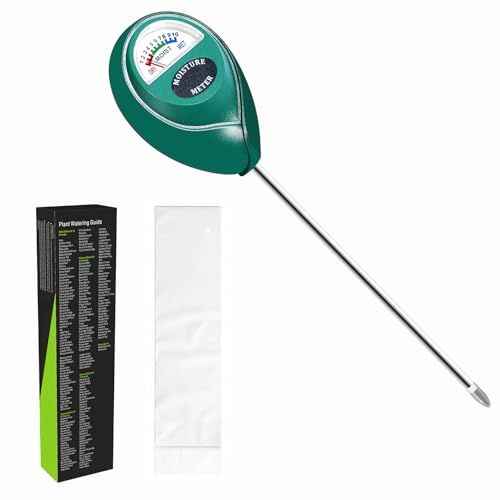
Trusted Since 2015: Become one of the many plant lovers who rely on the proven accuracy of XLUX. Established in 2015, our soil moisture meter has earned over 60,000+ verified ratings for its consistent performance. While many many newer brands come and go, we provide the long-term reliability and quality that American households have trusted for over a decade.
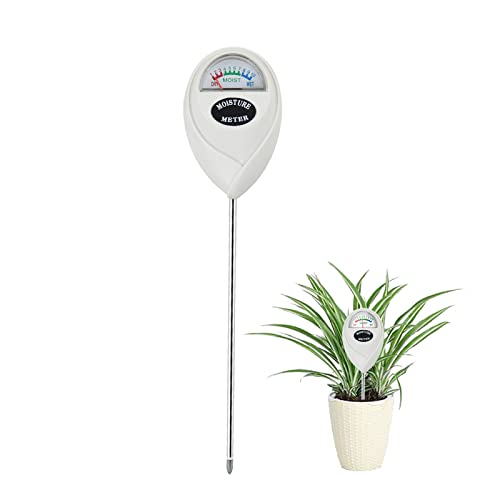
【SAVE YOUR PLANTS】: Over watering can cause problems with your plants or even kill them. This soil moisture meter helps you know the soil is dry, moist or wet.No more over watering!

✔️Accurate - A helpful tool of water meter for indoor plants which senses the moisture in the soil around plants. No more guess if the plant needs more or less water
Best Practices for Watering Cucumber Plants
When it comes to watering your cucumber plants, consistency is key. Cucumber plants thrive in consistently moist soil but do not like soggy conditions. Here are some best practices to help you keep your cucumber plants healthy and productive:
- Water regularly: Aim to water your cucumber plants deeply at least once a week to ensure the roots receive enough moisture.
- Check the soil: Before watering, check the soil moisture a few inches below the surface. If it feels dry, it’s time to water.
- Morning watering: Water your cucumber plants in the morning to allow foliage to dry during the day, reducing the risk of disease.
- Focus on the roots: When watering, direct the water to the base of the plants to ensure it reaches the roots where it’s needed most.
- Mulch: Apply a layer of mulch around your cucumber plants to help retain moisture and prevent evaporation.
- Avoid overhead watering: Try to water at the base of the plants to minimize water on the foliage, which can lead to fungal issues.
- Adjust as needed: During hot weather or in sandy soil, you may need to water more frequently to keep the soil consistently moist.
Following these watering practices can help you maintain healthy and thriving cucumber plants that will reward you with a bountiful harvest.
Conclusion
You’ve learned the essential watering practices for cucumber plants to thrive. By ensuring consistent moisture without overwatering, focusing on deep watering, checking soil moisture levels, and adjusting watering frequency based on weather conditions, you can promote healthy growth and bountiful harvests. Remember to prioritize root watering, use mulch for moisture retention, and avoid overhead watering to prevent fungal issues. With these tips in mind, your cucumber plants are set to flourish. Happy gardening!
Frequently Asked Questions
Q: How often should I water my cucumber plants?
A: Water deeply at least once a week, ensuring consistent soil moisture without overwatering.
Q: How can I tell if my cucumber plants are underwatered?
A: Look for wilted leaves, slow growth, and dry soil as signs of underwatering.
Q: What is the best way to check if my cucumber plants need watering?
A: Check the soil moisture by inserting your finger into the soil up to 2 inches deep. If it feels dry, it’s time to water.
Q: Should I water the leaves of my cucumber plants?
A: Avoid overhead watering to prevent fungal issues and focus on watering the roots directly.
Q: How can I adjust my watering schedule based on weather conditions?
A: Monitor weather patterns and adjust watering frequency accordingly to maintain optimal soil moisture levels.
