

Ever wondered why your cucumber plants aren’t thriving as you hoped? Are they looking a bit lackluster despite your best efforts? Picture this: you’ve diligently watered, fertilized, and cared for your cucumbers, yet they seem to be missing that spark of vitality. Could it be the amount of sunlight they’re getting?
Importance of Sunlight for Cucumbers
When it comes to cucumbers, sunlight is more than just a nice-to-have. It’s a key ingredient for their growth and development.
Here’s why sunlight is so vital for your cucumber plants:
- Photosynthesis: Sunlight is crucial for plants to photosynthesize. This process helps them produce energy for growth.
- Stronger Plants: Adequate sun exposure helps cucumbers develop strong stems and healthy leaves.
- Optimal Yields: With enough sunlight, your cucumbers are more likely to flower and fruit, resulting in bountiful harvests.
To ensure your cucumbers thrive, aim for at least 6-8 hours of sunlight daily. Place them in a spot where they can soak up the sun’s rays, and watch them flourish.
Ideal Sunlight Requirements for Cucumber Plants
To ensure healthy growth and optimal yields for your cucumber plants, it’s crucial to meet their sunlight needs. Here’s what you need to know:
- Cucumbers thrive in full sun, meaning they need 6-8 hours of direct sunlight daily to flourish.
- Inadequate sunlight can result in stunted growth and poor fruit development.
If your garden or growing area doesn’t receive enough sun, consider strategic placement to maximize sunlight exposure:
- Choose a location with southern exposure to capture the most sunlight throughout the day.
- Avoid planting cucumbers near tall trees or structures that may cast shadows and reduce sunlight exposure.
By ensuring your cucumber plants receive ample sunlight, you’re setting them up for success and a bountiful harvest.
Recommended Products

FULL SPECTRUM & NATURAL LIGHT: A19 full spectrum grow light appears 4000K white to eyes but has a red/blue light spectrum. Same as natural sun shine, perfect for tomatoes, cucumbers, peppers, leafy greens and herbs at all growth stages.

FULL SPECTRUM & NATURAL LIGHT: A19 full spectrum grow light appears 4000K white to eyes but has a red/blue light spectrum. Same as natural sun shine, perfect for tomatoes, cucumbers, peppers, leafy greens and herbs at all growth stages.

Signs of Sunlight Deficiency in Cucumber Plants
When your cucumber plants aren’t getting enough sunlight, they will start showing certain signs that indicate they are struggling to grow. Here are some key indicators to watch out for:
- Stunted Growth: If you notice that your cucumber plants are not growing as tall or as bushy as they should, it could be a sign of insufficient sunlight.
- Yellowing Leaves: Cucumber plants deprived of adequate sunlight may develop yellow leaves that start to wilt and die off prematurely.
- Poor Fruit Development: Another common symptom of sunlight deficiency is the lack of fruit or the production of small, misshapen cucumbers.
- Leggy Growth: Cucumber plants reaching out towards the light source excessively, resulting in weak and leggy growth.
- Reduced Yield: Insufficient sunlight can significantly impact the overall yield of your cucumber plants, leading to a less bountiful harvest.
To ensure your cucumber plants thrive and produce healthy fruits, it’s crucial to monitor them for these signs of sunlight deficiency regularly.
Tips for Providing Adequate Sunlight to Cucumber Plants
- Southern Exposure: Place your cucumber plants in an area with southern exposure to maximize sunlight exposure throughout the day.
- Avoid Shading: Keep them away from any structures or plants that could cast shadows and reduce the amount of sunlight reaching your cucumber plants.
- Daily Monitoring: Check your plants regularly for signs of sunlight deficiency, such as yellowing leaves or stunted growth, to address any issues promptly.
- Adjusting Position: If you notice inadequate sunlight, consider repositioning your plants to a sunnier spot to promote healthy growth.
- Reflective Mulch: Utilize reflective mulch around your plants to help redirect sunlight towards them and enhance their growth.
| Optimal Sunlight Duration | Effects of Insufficient Sunlight |
|---|---|
| 6-8 hours daily | Stunted growth, yellowing leaves, poor fruit development, leggy growth, and reduced yield |
Recommended Products

6000K Daylight Full Spectrum- Packed with 40 white and 8 red LEDs, this growth light throws a crisp 6000K beam that reads like real sunshine indoors. Built for flowers, herbs, peppermint, succulents, and seed starting, and flexible enough for hanging baskets, trellises, floor pots, and bonsai alike.
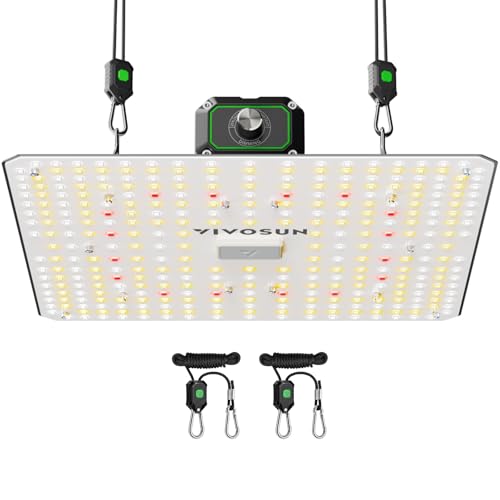
Optimized Full Spectrum: With white, blue, red and far-red LEDs (3000K, 5000K, 660nm and 730nm), this grow light provides full-spectrum illumination to support photosynthesis from seedling to harvest; It speeds up flowering time and increases yields
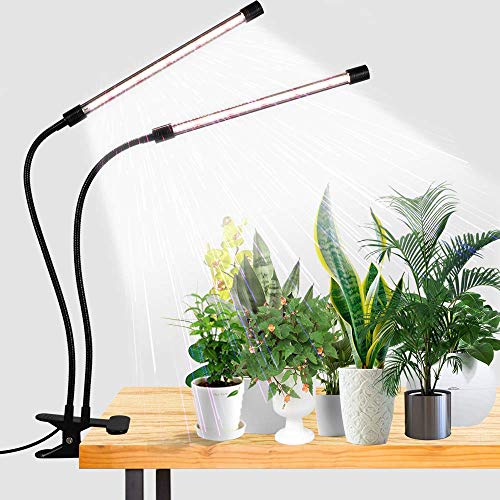
6000K White Light - equipped with 10 Red + 74 White LEDs, this growing Lamp is similar to the full-spectrum sunlight at noon,that is professionally designed for indoor garden plants.Moreover, its color rendering index is as high as 95, the light is soft and flicker-free, which is very suitable for reading lamp
Conclusion
Ensuring your cucumber plants receive sufficient sunlight is crucial for their growth and productivity. By following the tips provided in this article, such as placing your plants in sunny areas, avoiding shading, and monitoring for sunlight deficiency signs, you can help your cucumbers thrive. Remember, 6-8 hours of sunlight daily is ideal for optimal growth. Insufficient sunlight can lead to issues like stunted growth, yellowing leaves, and poor fruit development. With the right amount of sunlight, your cucumber plants will flourish and reward you with a bountiful harvest.
Frequently Asked Questions
Q: What are the signs of sunlight deficiency in cucumber plants?
A: Signs of sunlight deficiency in cucumber plants include stunted growth, yellowing leaves, poor fruit development, leggy growth, and reduced yield.
Q: How can I ensure my cucumber plants get enough sunlight?
A: Ensure your cucumber plants receive 6-8 hours of daily sunlight by placing them in areas with southern exposure, avoiding shading, adjusting plant positions for better sunlight, and using reflective mulch to enhance growth.
