

Have you ever wondered how much soil you really need to grow delicious, crisp lettuce? Whether you’re a seasoned gardener or just starting out, getting the right amount of soil can make all the difference in your harvest.
Key Takeaways
- Soil Depth Requirements: Aim for 6 to 12 inches of soil depth for optimal lettuce growth, varying by variety (6-8 inches for leafy, 8-12 inches for head types).
- Root Expansion: Adequate soil depth allows roots to expand, access nutrients, and helps prevent smaller plants and poor yields.
- Nutrient and Moisture Access: Deep soil enhances nutrient access and improves moisture retention, which is crucial for healthy lettuce growth.
- Soil Type Matters: Choose loose, well-aerated soils to improve drainage and reduce waterlogging, which can negatively impact growth.
- Soil Preparation: Regularly test and amend soil with compost or fertilizers to ensure a nutrient-rich environment and maintain optimal pH levels (6.0-7.0).
Importance Of Soil Depth For Lettuce Growth
Soil depth plays a vital role in lettuce growth. Lettuce roots need ample space to expand and access nutrients and water. Generally, a soil depth of at least 6 to 12 inches supports healthy development. Insufficient depth restricts root growth, leading to smaller plants and poor yields.
Nutrient Access and Drainage
Proper soil depth enhances nutrient access. Deeper soil allows roots to reach lower moisture and nutrient levels. This results in stronger growth and more robust flavors. Furthermore, good drainage prevents waterlogging, which can cause rot. Well-drained soil ensures that roots breathe well and promotes overall health.
Temperature Regulation
Soil depth also regulates temperature. Deeper soil stays cooler in hot weather, reducing stress on plants. Cooler soil helps maintain moisture, supporting lettuce’s preference for cooler conditions. Conversely, shallow soil can heat up quickly, negatively impacting growth.
Examples of Soil Depth Requirements
- Leaf Lettuce: Requires at least 6 inches of soil depth for optimal growth.
- Romaine Lettuce: Thrives with 8 to 12 inches of soil depth.
- Butterhead Lettuce: Prefers 6 to 10 inches to develop fully.
- Container Selection: Choose containers with depth requirements in mind. Ensure pots for growing lettuce are at least 6 inches deep.
- Raised Beds: Consider using raised beds, which offer good depth and drainage options.
- Soil Mix: Use a quality soil mix that retains moisture while allowing for drainage. Adding organic matter enhances soil structure.
Understanding soil depth requirements helps you grow thriving lettuce. Adapting your gardening practices to these needs supports healthier plants and better harvests.
Factors Affecting Soil Requirements
Soil requirements for lettuce depend on multiple factors. Understanding these factors helps ensure successful growth and healthy plants.
Recommended Products

HELPS REGULATE SOIL MOISTURE: Miracle-Gro Organic Indoor Potting Soil Mix is an organic potting soil that protects indoor plants against over and under watering
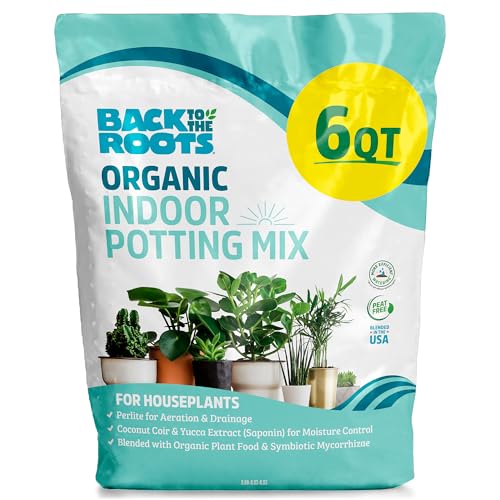
Includes 6qt of Back to the Roots Indoor Potting Mix. Our Potting Mix contains organic yucca extract that aids in retaining moisture in the soil which keeps your indoor plants happy and healthy

INDOOR GROWING: Growing indoors is easy under the right conditions; Miracle-Gro Houseplant Potting Mix is an indoor plant potting soil that combines key elements container plants need to thrive
Soil Type
Soil type significantly influences lettuce growth. Loose, well-aerated soils, like sandy loam, allow lettuce roots to spread easily. Heavy clay soils can restrict root growth and drainage, leading to waterlogged conditions. For optimal results, choose a soil mix that contains organic matter, which improves aeration and nutrient content.
Water Retention
Water retention plays a crucial role in the health of lettuce. Soils that retain too much moisture can cause root rot, while those that dry out quickly can lead to wilting. Aim for soil that can hold moisture without becoming soggy. Incorporating materials like peat moss or vermiculite can enhance water retention while ensuring proper drainage.
Nutrient Availability
Nutrient availability is essential for robust lettuce growth. Lettuce thrives in nutrient-rich soil. You should test your soil to determine its nutrient levels. Amendments like compost or a balanced fertilizer can boost nutrient content, particularly nitrogen, phosphorus, and potassium. Ensure that the soil pH levels range from 6.0 to 7.0 for optimal nutrient uptake.
Recommended Soil Depth For Lettuce
To grow lettuce effectively, aim for a soil depth of 6 to 12 inches. This depth ensures roots access essential nutrients and water for healthy growth. Let’s explore specific needs for different lettuce varieties.
Recommended Products

Ready-to-Use Formula: No mixing or extra steps required. Simply pour and plant - perfect for gardeners of all experience levels.

FOR USE: Ideal for raised garden beds and outdoor containers.

ALL-NATURAL MIX: Burpee Organic Premium Potting Mix is formulated with plant food & coconut coir to promote seed & root growth and healthy flower, vegetable & herb plants. OMRI Listed for organic use.
Leafy Varieties
Leafy lettuce types, such as romaine and butterhead, thrive in soil depths of 6 to 8 inches. This depth supports shallow root systems, allowing them to absorb moisture and nutrients efficiently. Use a loose, well-aerated soil mix for optimal growth. Consider adding organic matter to improve texture and drainage.
Head Varieties
Head lettuce varieties, including iceberg and cos, require deeper soil, ideally between 8 to 12 inches. The increased depth accommodates their larger root systems, which help them access more resources. Ensure the soil is nutrient-rich and maintains good moisture levels to prevent bolting or stress during hot conditions.
Tips For Preparing Soil For Lettuce
Preparing soil for lettuce is essential for healthy growth. Follow these guidelines to ensure that your soil promotes flourishing crops.
Recommended Products

FEEDS UP TO 6 MONTHS: Miracle-Gro Potting Mix is a gardening soil for outdoor containers that feeds all types of potted plants, including flowers, vegetables, shrubs, annuals, and perennials for up to 6 months
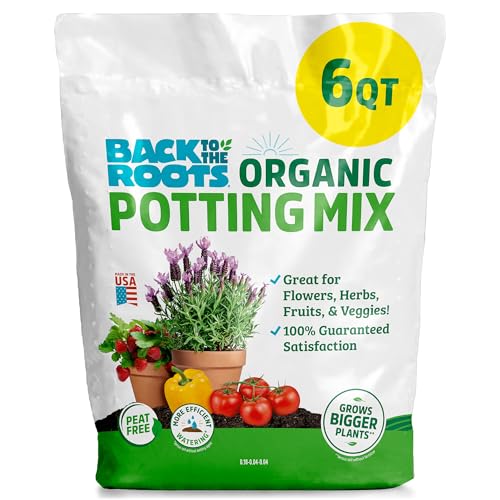
Includes 6qt of Back to the Roots Premium Blend Potting Mix. 100% Organic and Peat-Free, made from upcycled plant matter and wood fines from across the U.S. No imported peat, just better soil with a lighter carbon footprint.

Miracle-Gro Indoor Potting Mix for Seed Starting grows stronger roots for seeding success (vs unfed when used as directed)
Soil Testing
Testing your soil pH and nutrient levels can significantly impact your lettuce yield. Aim for a pH between 6.0 and 7.0, which promotes optimal nutrient availability. Many gardening centers offer soil testing kits or services. Collect samples from various spots in your garden, mix them, and send them off for analysis. Review the results to identify any deficiencies. For example, low nitrogen levels could slow growth. Adjust your fertilization plan based on these findings.
Amending Soil
Amending soil improves its structure and nutrient content. Use compost or well-rotted manure to enhance organic matter. This addition promotes water retention and aeration, vital for lettuce development. If your soil lacks specific nutrients—like phosphorus—consider adding bone meal or rock phosphate. To adjust acidity, add lime for alkalinity or sulfur for acidity. Mix amendments thoroughly and let them settle before planting. Aim for a soil mix that feels crumbly, not compacted, which encourages healthy root growth.
By following these tips, you create the perfect environment for your lettuce to thrive.
Conclusion
Growing lettuce can be a rewarding experience when you pay attention to your soil. With the right depth and quality you’ll set the stage for healthy plants and delicious harvests. Remember to keep an eye on your soil’s pH and nutrient levels to ensure your lettuce gets everything it needs to thrive.
By taking the time to prepare your soil properly you’re not just planting seeds; you’re investing in a bountiful garden. So grab your gardening tools and get ready to enjoy the fruits of your labor with fresh, homegrown lettuce. Happy gardening!
Frequently Asked Questions
What is the ideal soil depth for growing lettuce?
Lettuce typically requires a soil depth of at least 6 to 12 inches, depending on the variety. Deeper soil supports better root development and nutrient absorption.
Why is soil type important for lettuce growth?
Soil type affects water retention and drainage, which are critical for lettuce. Loose, well-draining soil ensures roots can access nutrients while preventing waterlogging.
How can I improve my soil for lettuce?
To enhance soil quality, conduct a soil test to check pH and nutrient levels. Amend with compost or manure to improve structure and nutrient content.
What should I do if my soil is too acidic?
If your soil is too acidic, you can raise the pH by adding lime. Test the soil periodically to ensure it remains within the optimal range for lettuce growth.
How often should I check my soil for nutrient levels?
It’s best to check your soil’s nutrient levels at least once a year. This frequency ensures that your soil remains healthy and fertile for growing lettuce.
