

Have you ever wanted to enjoy fresh, crisp lettuce right from your own kitchen? If you’re tired of store-bought greens that wilt before you can use them, growing your own lettuce indoors might be the perfect solution.
Planting lettuce seeds indoors is an easy and rewarding way to kickstart your gardening journey. You don’t need a lot of space or fancy equipment to get started. With just a few simple steps, you can cultivate your own little patch of greenery that adds flavor to your meals and brightens your home.
Key Takeaways
- Controlled Environment: Indoor gardening allows for consistent temperature and humidity, creating ideal growing conditions for lettuce.
- Space Efficiency: You can grow lettuce in limited spaces using containers or windowsills, making it accessible for anyone.
- Year-Round Harvest: Planting indoors enables continuous lettuce production, providing fresh greens throughout the seasons.
- Minimal Pest Problems: Indoor growing reduces exposure to pests and diseases, resulting in healthier plants and less need for pesticides.
- Simple Maintenance: Lettuce has low upkeep requirements, making it suitable for beginners and busy individuals alike.
- Improved Flavor and Nutrition: Home-grown lettuce is often more flavorful and nutritious compared to store-bought varieties, allowing for better meals.
Benefits of Planting Lettuce Seeds Indoors
Planting lettuce seeds indoors offers numerous advantages. You’ll enjoy fresh greens at your convenience. The following points highlight the main benefits of indoor lettuce cultivation.
Consistent Growing Conditions
Creating a controlled environment enhances growth. You can manage temperature and humidity levels easily. Lettuce thrives in cooler conditions, making it ideal for indoor gardening. This control allows you to avoid unpredictable outdoor weather.
Space Efficiency
Maximize small spaces effectively. Indoor gardening requires only limited room. You can plant lettuce in containers or on windowsills. This versatility means even those with minimal outdoor space can enjoy fresh produce.
Year-Round Harvest
Get fresh lettuce throughout the year. By planting indoors, you aren’t restricted by seasonal changes. This leads to continuous growth cycles. You can harvest your greens on demand, ensuring fresh salads for every meal.
Reduced Pest Issues
Indoor lettuce gardens face fewer pests. The controlled environment minimizes exposure to insects and diseases common in outdoor gardens. Fewer pests mean healthier plants and reduced need for pesticides.
Enhanced Flavor and Nutrition
Home-grown lettuce tastes better and is often more nutritious. You control how and when you harvest. Freshly picked greens carry more nutrients compared to store-bought options. Immediate consumption boosts flavor and quality.
Educational Experience
Learn valuable gardening skills. Planting lettuce seeds indoors provides hands-on experience. You’ll gain insights into plant growth cycles and care techniques. This experience can inspire further gardening projects.
Cost-Effective Gardening
Save money on grocery bills. Growing lettuce at home cuts down repeated purchases. One packet of seeds yields multiple harvests, making it a budget-friendly choice.
Easy Maintenance
Enjoy simple care routines. Lettuce requires minimal upkeep. Regular watering and occasional thinning are usually sufficient. This low-maintenance aspect suits both beginners and seasoned gardeners.
By planting lettuce seeds indoors, you experience these benefits firsthand. Cultivating your own greens fosters a deeper connection with food, making gardening an enjoyable and fulfilling hobby.
Choosing the Right Lettuce Variety
Selecting the right lettuce variety is crucial for successful indoor gardening. Different types of lettuce vary in taste, texture, and growing traits. Here are key varieties you might consider.
Recommended Products

Complete Lettuce Garden Starter Kit Indoor – 5 heirloom salad and green seed packets, 8 biodegradable soil disks, 8 plant markers, and 8 starter pots. Romaine, Spinach, Arugula, Kale and Buttercrunch lettuce heirloom seeds are the star of the set!

High Germination Rate: Enjoy a plentiful harvest with our Romaine Lettuce seed pod featuring excellent germination. Fresh, reliable seeds sourced from USA ensure quick sprouting and healthy growth.

【All-in-One Hydroponic Garden Kit】This Romaine seed pod kit has everything to kickstart your hydroponic gardening journey: A packet of Romaine Lettuce seeds, 12 grow sponges, 12 plant baskets, 12 grow domes, 12 pod labels and 1 Tweezers.(Contains no plant foods)
Leaf Lettuce
Leaf lettuce, known for its tender leaves and fast growth, thrives well in indoor settings. This variety comes in several colors, from vibrant green to deep red. Popular types include:
- Butterhead: Features soft, buttery leaves and a sweet flavor.
- Looseleaf: Grows quickly and doesn’t form a head, making it great for continuous harvesting.
- Oakleaf: Has lobed leaves, offering great texture and rich flavor.
To grow leaf lettuce indoors, use a pot with good drainage, provide ample light, and maintain a consistent moisture level.
Romaine Lettuce
Romaine lettuce, characterized by its thick, crisp leaves, adds crunch to salads and sandwiches. It typically grows in a head formation, which can reach heights of up to 12 inches. Key points about romaine include:
- Varieties: Common types include ‘Paris Island’ and ‘Little Gem,’ both of which exhibit excellent flavor and yield.
- Care: Romaine requires slightly cooler temperatures compared to leaf lettuce. Aim for temperatures between 60°F and 70°F for optimal growth.
Use a container with adequate space for the heads to develop. Ensure they receive at least 12 hours of light each day for robust growth.
Preparing for Indoor Planting
Before you plant lettuce seeds indoors, gather the necessary supplies and choose the right time for planting. This preparation ensures a successful growing experience and healthy plants.
Recommended Products
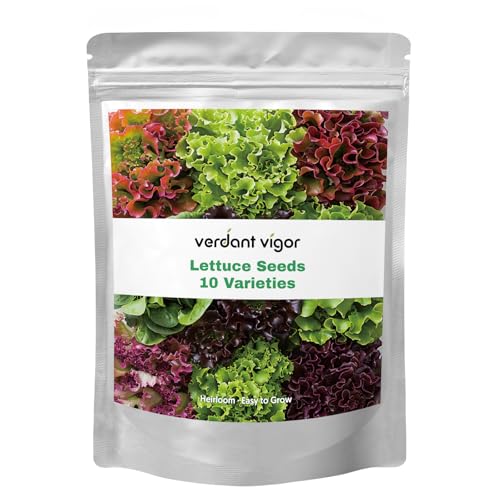
Healthy Food Source: Because of its tender flavor, lettuce is a popular vegetable for salad, sandwiches, wraps, soups, stir-fries and juice. There are over 20,000 seeds, 10 kinds of lettuce collection, including bibb, boston, iceberg, buttercrunch, grand rapids TBR, oakleaf, ruby leaf, cimmaron romaine and waldmann's


15 Herb Seeds Variety Pack – 4300 Seeds Included: Start your own herb garden with this all-in-one heirloom herbs seeds kit. Includes Genovese Basil, Sweet Basil, Italian Oregano, Rosemary, Thyme, Cilantro, Dill, Mint, Sage, Lavender, Chives, Garlic Chives, Parsley, Chervil, and Scallions. Each herb seed packet is USA-sourced and tested for high germination. Grow these herb garden seeds in your backyard, windowsill, raised beds, or pots for fresh flavors all season long.
Required Supplies
- Containers: Use seed trays, pots, or recycled containers with drainage holes. Ensure they’re at least 3-4 inches deep.
- Seed Starting Mix: Choose a lightweight seed starting mix designed for indoor planting. Avoid garden soil, which can be too heavy and may harbor pests.
- Lettuce Seeds: Select your preferred lettuce variety, such as Butterhead, Looseleaf, or Romaine. Check for seeds that match your indoor growing conditions.
- Watering Can or Spray Bottle: Use a watering can with a fine nozzle or a spray bottle for gentle watering, preventing soil displacement.
- Grow Light or Natural Light Source: Position your containers near a sunny window or use grow lights. Lettuce needs 12-16 hours of light daily for optimal growth.
- Thermometer: Monitor indoor temperature. Lettuce thrives at 60-70°F (15-21°C).
Best Time to Plant
For successful indoor lettuce planting, timing matters. Plant your seeds 4-6 weeks before the last expected frost date in your area. This timing ensures seedlings are ready to thrive as outdoor conditions improve. Indoor planting can happen year-round, but spring and fall are ideal, providing consistent temperatures and light. For continuous harvests, stagger planting every few weeks. This approach lets you enjoy fresh lettuce throughout the seasons.
Step-by-Step Guide to Planting Lettuce Seeds Indoors
Planting lettuce seeds indoors is a straightforward process. Follow these steps to ensure successful growth.
Recommended Products

NUTRIENT-RICH, NATURAL, AND ORGANIC SOIL: Grow a bountiful garden in your home with the Back to the Roots All-Purpose Natural and Organic Peat-Free 3-in-1 Seed Starting Mix, packed with the nutrients needed for your plants, flowers, and vegetables to thrive

Miracle-Gro Indoor Potting Mix for Seed Starting grows stronger roots for seeding success (vs unfed when used as directed)
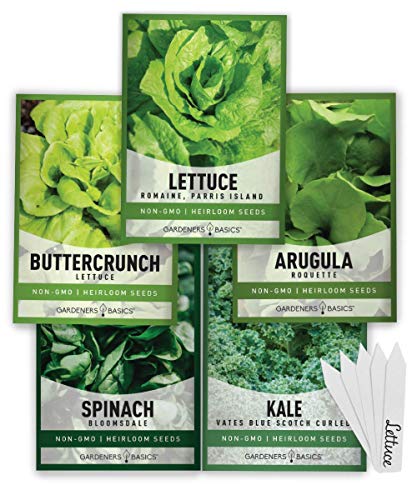
Five leafy greens varieties: Plant Parris Island romaine lettuce seeds, Buttercrunch lettuce seeds, Roquette arugula seeds, Vates Blue Scotch Curled kale seeds, and Bloomsdale spinach seeds. Includes 4,500+ seeds in five separate labeled packets.
Seed Preparation
- Choose High-Quality Seeds: Select fresh lettuce seeds from reputable brands. Look for varieties like Butterhead or Looseleaf for leaf lettuce and ‘Paris Island’ or ‘Little Gem’ for romaine.
- Soak Seeds (Optional): For certain lettuce varieties, soaking seeds in water for a few hours before planting can enhance germination rates.
- Label Your Seeds: Mark each seed packet with the variety and planting date. This helps track growth and maturity.
Planting Process
- Select Containers: Use seed trays, peat pots, or recycled containers with drainage holes to prevent waterlogging.
- Prepare Soil: Fill containers with a seed starting mix, keeping it light and well-draining. Avoid garden soil, as it may be too dense.
- Sow Seeds: Plant seeds ¼ to ½ inch deep, spacing them according to the seed packet instructions. Scatter a few seeds in each container for better chances of sprouting.
- Cover and Press: Gently cover the seeds with soil and press down lightly to ensure good contact.
- Water Seeds Lightly: Use a spray bottle to moisten the soil. Avoid overwatering, which can drown seeds. Keep the soil consistently damp, but not soggy.
- Provide Adequate Light: Position containers near a bright window or under grow lights. Lettuce requires 12-16 hours of light daily for optimal growth.
- Maintain Ideal Temperature: Keep indoor temperatures between 60°F and 70°F. This range supports germination and prevents elongation of seedlings.
- Thin Seedlings: Once seedlings sprout and develop true leaves, thin them out. Leave only the strongest plants in each container to avoid overcrowding.
By following these steps, you can successfully plant lettuce seeds indoors for a vibrant indoor garden.
Tips for Successful Indoor Lettuce Growth
Indoor lettuce growth requires attention to specific conditions. These tips will help ensure a fruitful harvest.
Maintaining Optimal Temperature
Maintaining a temperature range of 60°F to 70°F (15°C to 21°C) promotes healthy lettuce growth. Monitor the temperature daily, especially in changing seasons. If temperatures drop, use a small space heater for warmth. Conversely, if it gets too warm, use a fan to cool the space or move the plants away from direct heat sources. Consistent temperatures help avoid stress on the plants and encourage steady growth.
Fertilizing Your Lettuce
Fertilizing your lettuce promotes robust growth and enhances flavor. Use a balanced fertilizer every two weeks during the growing season. Look for options with equal parts nitrogen, phosphorus, and potassium, such as a 10-10-10 formula. Dilute the fertilizer to half strength to avoid overwhelming the young plants. Consider using organic options like compost or fish emulsion for a natural boost. Be cautious not to over-fertilize, as this can lead to excessive leaf growth with poor flavor.
Conclusion
Growing lettuce indoors can be a rewarding experience. With a little care and attention you can enjoy fresh greens right from your home. Remember to keep an eye on the temperature and be mindful of your watering and fertilizing routines.
As you watch your lettuce thrive you’ll appreciate the joy of nurturing your own plants. So grab those seeds and get started on your indoor gardening journey. You’ll love the taste of homegrown lettuce in your salads and sandwiches. Happy planting!
Frequently Asked Questions
What are the benefits of growing lettuce indoors?
Growing lettuce indoors offers consistent conditions, maximizing space efficiency, and allows for year-round harvesting. This method protects the plants from outdoor pests and fluctuations in weather, providing a more controlled environment for optimal growth.
Which lettuce varieties are best for indoor growth?
Suitable lettuce varieties for indoor growing include Butterhead and Looseleaf. These types adapt well to smaller spaces and thrive in indoor conditions, making them ideal choices for home gardeners.
How do I plant lettuce seeds indoors?
To plant lettuce seeds indoors, fill seed trays or pots with quality potting mix, sow seeds about ¼ inch deep, and gently water them. Place the containers in a well-lit area or under grow lights, maintaining the optimal temperature for germination.
What temperature is best for indoor lettuce growth?
The ideal temperature range for growing lettuce indoors is between 60°F to 70°F. Maintaining this temperature ensures healthy growth and robust flavor in your lettuce plants.
How often should I fertilize indoor lettuce?
It’s recommended to use a balanced fertilizer every two weeks for indoor lettuce. This frequency supports healthy growth while avoiding over-fertilization, which can negatively impact the flavor and development of the plants.
