

Are you excited to grow your own fresh lettuce but unsure how much soil you really need? You’re not alone. Many new gardeners struggle with figuring out the right amount of soil for their leafy greens, and it can be frustrating.
Key Takeaways
- Soil Depth: Aim for a soil depth of 6 to 8 inches for optimal lettuce growth to support root development.
- Soil Type: Use well-drained, loamy soil rich in organic matter; consider mixing in compost to enhance nutrient content.
- pH Levels: Maintain a soil pH between 6.0 and 7.0 for optimal lettuce health, using lime or sulfur for adjustments.
- Watering Needs: Water consistently, targeting about 1 inch per week while ensuring soil is moist but not waterlogged.
- Sunlight: Ensure lettuce plants receive a minimum of 6 to 8 hours of sunlight daily, with some shade in hot weather.
- Soil Quality and Volume: High-quality soil reduces the volume needed; consider garden size and plant spacing when determining soil amount.
Understanding Lettuce Growth Requirements
Lettuce thrives in well-drained soil rich in organic matter. Aim for a soil depth of at least 6 to 8 inches to allow for good root development. This depth supports healthy growth, contributing to robust, crunchy leaves.
Recommended Products

Quick, at home results for Soil pH, Nitrogen, Phosphorous and Potash Innovative and inexpensive soil test kit features an easy-to-use capsule system and patented color comparators

Accurate Soil pH Testing: Dewildetradingco Soil pH Test Strips offer measurements of soil pH levels (pH 3.5-9). As an essential tool for every gardener and grower, these test strips help determine the optimal pH for various plants, such as outdoor plants, indoor plants, gardens, grass lawns, fruit trees, flowers, vegetables, and forest shrubs.

Kindly NOTE: This soil tester can not be applied to test pH value of any other liquid. If the soil is too dry the indicator will not move, and water it before testing.
Soil Type
Select loose, loamy soil with good drainage. Sandy or clay soils can hinder lettuce growth. You can improve poor soil conditions by mixing in compost. Compost enriches the soil with nutrients and aids in moisture retention.
pH Level
Maintain a soil pH between 6.0 and 7.0 for optimal growth. You can test your soil’s pH with a simple kit available at garden centers. If the pH is off, you can adjust it using lime to raise the pH or sulfur to lower it.
Nutrient Needs
Focus on nutrients like nitrogen, phosphorus, and potassium. These macronutrients support vigorous leaf growth and overall plant health. A balanced fertilizer, such as a 10-10-10 mixture, works well for lettuce. Apply it according to package directions, but avoid over-fertilizing, as this can lead to bitter-tasting leaves.
Watering Requirements
Water lettuce consistently, keeping the soil moist but not soggy. Aim for about 1 inch of water per week, adjusting based on weather conditions. Frequent, shallow watering promotes shallow root growth; deep watering encourages roots to dig deeper, leading to a more resilient plant.
Sunlight Exposure
Provide at least 6 to 8 hours of sunlight daily. Lettuce prefers cooler conditions and may bolt (go to seed) in excessive heat. Consider planting in a location that offers some afternoon shade, especially in the summer months.
By understanding these requirements, you can create a growing environment that fosters healthy lettuce plants. Be attentive to your soil and growing conditions for the best results.
Determining Soil Volume
Determining the right soil volume for growing lettuce involves understanding various factors that impact its growth. A solid foundation supports healthy plants and maximizes yield.
Factors Influencing Soil Amount
- Garden Size: Consider the space available for growing lettuce. A small garden might require 1 cubic foot of soil per square foot, while larger plots need more.
- Lettuce Variety: Different lettuce types, like head lettuce or leaf lettuce, have varying root systems. For example, romaine lettuce typically does well with 12 inches of soil depth, while butterhead may thrive with less.
- Plant Spacing: Thinner planting means less soil is needed overall. For instance, spacing plants 12 inches apart allows for adequate root growth without excess soil volume.
- Soil Quality: High-quality, nutrient-rich soil reduces the amount necessary for optimal growth. If soil is loamy and well-drained, you might not need as much compared to poorer soil.
Recommended Soil Depth
Aim for a soil depth of at least 6 to 8 inches to support lettuce roots. Use the following guidelines:
- Seedlings: Provide a depth of 6 inches for starting seedlings.
- Established Plants: Increase the depth to 8 to 12 inches for mature lettuce to accommodate larger root systems.
- Raised Beds: If using raised beds, ensure the soil depth measures at least 12 inches to promote strong growth and nutrient absorption.
By considering these factors and adhering to recommended depths, you can cultivate a thriving lettuce garden that delivers delicious greens throughout the growing season.
Choosing the Right Soil Mix
Choosing the right soil mix is crucial for growing healthy lettuce. A well-balanced mix provides essential nutrients and ensures proper drainage.
Recommended Products
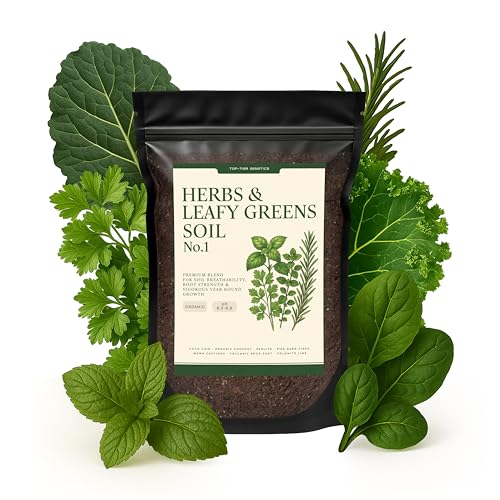
✔ VERSATILE BLEND: Premium potting mix specifically formulated for growing herbs and leafy greens indoors with optimal drainage and aeration
✔ VERSATILE BLEND: Premium potting mix specifically formulated for growing herbs and leafy greens indoors with optimal drainage and aeration

ALL-NATURAL MIX: Burpee Organic Premium Potting Mix is formulated with plant food & coconut coir to promote seed & root growth and healthy flower, vegetable & herb plants. OMRI Listed for organic use.
Components of a Good Soil Mix
A quality soil mix for lettuce typically includes:
- Loamy Soil: Loamy soil retains moisture while allowing excess water to drain. It offers a blend of sand, silt, and clay.
- Organic Matter: Compost or well-rotted manure enhances soil structure and fertility. Aim for about 30% organic matter in your mix.
- Perlite or Vermiculite: These materials improve drainage and aeration. Use roughly 10-20% of either in your soil mix.
- Peat Moss: Peat moss retains moisture and adds acidity. It serves as a good base but should not exceed 30% of your total mix.
- Fertilizers: Use balanced fertilizers with nutrients like nitrogen, phosphorus, and potassium. Follow recommended rates on the package.
Organic vs. Inorganic Options
Both organic and inorganic soil amendments have benefits for growing lettuce:
- Organic Soil Mixes: These rely on natural materials and enhance soil life. They improve nutrient availability and contribute to long-term soil health.
- Inorganic Soil Mixes: These provide quick nutrient supply and consistent results. They often include synthetic fertilizers and components like pebbles or perlite for drainage.
Choose organic for sustainability and long-term health. Opt for inorganic if immediate growth and easy management are priorities. Consider your gardening goals to select the best option for your lettuce-growing needs.
Best Practices for Planting Lettuce
Planting lettuce correctly results in healthier, more abundant greens. Focus on soil preparation and maintenance for the best results.
Soil Preparation Techniques
- Choose Quality Soil: Select a loamy soil mix with organic matter. A mix of 50% loamy soil, 30% compost, and 20% perlite enhances drainage and nutrient retention.
- Test Soil pH: Use a soil pH test kit to measure acidity. Aim for a pH between 6.0 and 7.0. Adjust using lime to raise pH or sulfur to lower it, if necessary.
- Enrich the Soil: Incorporate key nutrients by mixing in a balanced fertilizer that’s high in nitrogen. This supports leafy growth and overall plant health.
- Aerate the Soil: Use a garden fork to aerate the soil before planting. Turn the soil to a depth of at least 8 inches, breaking up compacted areas for improved root development.
- Consider Raised Beds: Build raised beds if soil drainage is a challenge. Fill them with a mixture of quality soil, compost, and nutrients.
- Mulch Regularly: Apply a layer of organic mulch, like straw or shredded leaves, around your lettuce. This conserves moisture and suppresses weeds.
- Rotate Crops: Change the planting location of lettuce each year. This practice prevents soil nutrient depletion and reduces pest buildup.
- Monitor Moisture Levels: Ensure consistent moisture by checking soil often. Water deeply, about once a week, adjusting for rainfall and season.
- Add Organic Matter: Incorporate compost or well-rotted manure throughout the growing season. This replenishes nutrients and improves soil structure.
- Utilize Cover Crops: Plant cover crops, such as clover, during the off-season. They enrich the soil and reduce erosion, ensuring a healthier bed for lettuce in the next planting cycle.
Conclusion
Growing lettuce can be a rewarding experience when you get the soil right. By ensuring you have the right depth and quality of soil you’ll set your plants up for success. Remember to consider factors like the variety of lettuce and your garden’s size to determine the best soil volume.
Don’t forget to keep an eye on moisture levels and provide plenty of sunlight. With a little attention to detail and care your lettuce will thrive and offer you a bountiful harvest. Happy gardening and enjoy those fresh greens!
Frequently Asked Questions
What type of soil is best for growing lettuce?
Lettuce thrives in well-drained, loamy soil enriched with organic matter. A mix containing compost or well-rotted manure, perlite or vermiculite, and peat moss helps improve drainage and moisture retention, fostering healthy growth.
How deep should the soil be for lettuce?
The ideal soil depth for growing lettuce is at least 6 to 8 inches for seedlings. Established plants, especially in raised beds, benefit from a depth of 8 to 12 inches, while some varieties like romaine may require up to 12 inches.
How much soil do I need for my garden?
Soil volume depends on your garden size and lettuce variety. Generally, smaller gardens may need about 1 cubic foot of soil per square foot. Always consider the root depth requirements of the specific lettuce types you plan to grow.
What pH level is suitable for lettuce growth?
Lettuce prefers a soil pH between 6.0 and 7.0. Regularly testing and adjusting your soil pH is essential for optimal nutrient availability and healthy plant growth.
How often should I water my lettuce?
Lettuce needs about 1 inch of water per week. Consistent watering is vital for keeping the soil moist but not waterlogged, which promotes healthy growth and prevents bolting.
Should I use organic or inorganic soil amendments?
Organic soil amendments enhance long-term soil health and sustainability, while inorganic options offer quick nutrient supply. Choose based on your gardening goals, but consider mixing both for balanced nutrient availability.
Can I grow lettuce in raised beds?
Yes, raised beds are excellent for growing lettuce as they improve soil drainage and warmth. Ensure your raised beds have at least 12 inches of soil depth for the best results.
What are some best practices for planting lettuce?
Prepare your soil by mixing in organic matter and testing the pH. Aerate the soil, apply a balanced nitrogen-rich fertilizer, and use organic mulch to conserve moisture. Regularly monitor for moisture levels and rotate crops annually.
