

Ever wondered how long it takes for your lettuce seeds to sprout? If you’ve ever planted them and anxiously checked the soil every day, you’re not alone. Many gardeners face the same question, eager to see those tiny green shoots break through the surface.
Key Takeaways
- Germination Timeline: Lettuce seeds typically sprout within 7 to 14 days, with most varieties germinating in about 7 to 10 days under optimal conditions.
- Influential Factors: Key elements affecting germination include seed variety, soil quality, seed age, planting depth, and water management.
- Optimal Conditions: Ideal soil temperature for germination is between 60°F to 70°F. Consistent moisture without over-saturation is crucial for seed activation.
- Pre-soaking Seeds: Soaking lettuce seeds for 2 to 4 hours before planting can enhance germination rates, particularly for older seeds.
- Signs of Success: Indicators of successful germination include seedlings breaking the soil surface and the development of true leaves, signaling healthy growth.
- Addressing Issues: Common challenges like slow germination and seed rot can be mitigated by managing temperature, moisture, and seed spacing effectively.
Understanding Lettuce Seed Germination
Lettuce seed germination typically takes between 7 to 14 days under ideal conditions. Several factors can influence how long this process takes.
Factors Affecting Germination Time
- Seed Variety: Different lettuce varieties, such as romaine, butterhead, and leaf, can germinate at varying rates. Some may sprout in as little as 7 days, while others may take up to 14 days.
- Soil Quality: High-quality, well-draining soil enhances germination. Nutrient-rich soil with good aeration promotes faster growth.
- Seed Age: Fresh seeds germinate more reliably than older seeds. Always check the seed packet for expiration dates.
- Planting Depth: Seeds planted too deeply may struggle to break through the soil. Aim for a planting depth of 1/4 to 1/2 inch for optimal results.
- Water Management: Consistent moisture is crucial. Overwatering can drown seeds, while underwatering can cause them to dry out. Keep the soil consistently damp, but not soggy.
The Importance of Temperature and Moisture
Temperature and moisture play critical roles in germination success.
- Ideal Temperature: Lettuce seeds germinate best at temperatures between 60°F and 70°F (15°C to 21°C). Temperatures outside this range can delay germination or negatively affect seed viability.
- Moisture Levels: Maintaining steady moisture creates an ideal environment for seed cells to activate. Use a spray bottle to lightly mist the soil surface to avoid washouts while keeping it evenly moist.
Monitoring these factors closely can significantly increase your chances of successful germination. By understanding the nuances of lettuce seed germination, you can cultivate a thriving garden of greens.
Germination Process of Lettuce Seeds
The germination of lettuce seeds can be an exciting journey for gardeners. Understanding the process helps ensure success.
Pre-soaking Seeds
Pre-soaking lettuce seeds can significantly enhance germination rates. Soak the seeds in water for 2 to 4 hours before planting. This step softens the seed coat and encourages quicker sprouting. After soaking, drain the seeds and allow them to dry slightly before sowing. This technique especially benefits older seeds, which may take longer to germinate.
Sowing Techniques
Sowing techniques play a vital role in the germination of lettuce seeds. Plant seeds about 1/8 to 1/4 inch deep in well-draining soil. Spacing the seeds ensures adequate air circulation and light exposure. If sowing in rows, keep a distance of 12 inches between rows. Gently cover the seeds with soil and water lightly. Aim for consistent moisture without flooding the area. Using a seedling heat mat can also boost germination success by maintaining optimal soil temperature between 60°F and 70°F.
How Long to Germinate Lettuce Seeds
Lettuce seeds typically germinate within 7 to 14 days, depending on various factors. Understanding these factors helps you achieve successful growth.
Recommended Products

High Germination Rate: Enjoy a plentiful harvest with our Romaine Lettuce seed pod featuring excellent germination. Fresh, reliable seeds sourced from USA ensure quick sprouting and healthy growth.

USDA Certified Organic by Oregon Tilth

4 Popular Heirloom Lettuce Varieties: Includes Red Romaine, Bibb Butterhead, Black Seeded Simpson, and Green Ice lettuce seeds to grow crisp, tender, and colorful salad greens with balanced flavor, texture, and visual appeal.
Average Germination Time
Most lettuce seeds germinate in about 7 to 10 days, while some varieties may take up to 14 days. The timeline depends on the seed type and environmental conditions. Following these general guidelines:
- Temperature: Ideal soil temperatures range from 60°F to 70°F. Higher temperatures may speed up germination, while lower temperatures delay it.
- Moisture: Consistent moisture aids in germination. The soil should remain damp but not saturated.
- Seed Quality: Fresh seeds germinate faster than older or improperly stored seeds.
Signs of Successful Germination
Identifying the signs of successful germination ensures you’re on the right track. Watch for these indicators:
- Seedlings Break Soil Surface: Tiny green leaves pushing through the soil indicate seed germination.
- True Leaves Formation: Once the initial leaves emerge, true leaves develop, signaling healthy growth.
- Seedling Stand and Growth Rate: Sturdy seedlings that grow steadily show successful germination and viability.
Keeping an eye on these signs helps you manage your garden effectively.
Common Issues and Solutions
Germinating lettuce seeds can sometimes present challenges. Understanding these issues helps you take corrective actions quickly.
Recommended Products

IDEAL GERMINATION TEMPERATURE: The BN-LINK seedling heat mats for seed starting helps maintain temperatures around 70°F to 85°F, the optimal range for seed germination, cutting propagation, and healthy seedling growth. Achieve faster germination and higher growth rates with seed heating mat.

Reliable Results: The VIVOSUN professional heat mat maintains optimal temperatures around 68-86℉ (20-30℃), perfect for Seedling start and cutting propagation; Made from durable PVC material, it's designed to last

Reliable Results: The VIVOSUN professional heat mat maintains optimal temperatures around 68-86℉ (20-30℃), perfect for Seedling start and cutting propagation; Made from durable PVC material, it's designed to last
Dealing with Slow Germination
Slow germination can stem from various factors. First, check the temperature. If it’s below 60°F, seeds might take longer to sprout. Try to maintain soil temperatures between 60°F and 70°F for optimal growth.
Next, evaluate moisture levels. Too little or too much water can delay germination. Keep the soil consistently moist but not waterlogged. A light covering of vermiculite can help retain moisture without suffocating the seeds.
Lastly, consider seed age. Older seeds often take longer to germinate. Pre-soaking seeds for 2 to 4 hours before planting can significantly improve germination rates.
Preventing Seed Rot
Seed rot occurs when seeds sit in overly wet conditions. To prevent this, use well-draining soil to ensure excess moisture escapes.
Monitoring watering habits is crucial. Water only when the top inch of soil feels dry. Avoid overhead watering, which can create saturated soil.
Another solution includes spacing seeds properly. Overcrowding leads to competition and increased moisture retention, promoting rot. Aim for proper spacing to allow air circulation around the seeds.
Implementing these strategies can enhance your chances of successful lettuce seed germination.
Conclusion
Getting your lettuce seeds to germinate can be a rewarding experience. By paying attention to the right temperature moisture levels and proper sowing techniques you can set your garden up for success. Remember that patience is key as most seeds will sprout within 7 to 14 days.
Don’t hesitate to tweak your approach if things aren’t going as planned. With a little care and the right conditions your seedlings will soon be thriving and ready for your next delicious salad. Happy gardening!
Frequently Asked Questions
Recommended Products
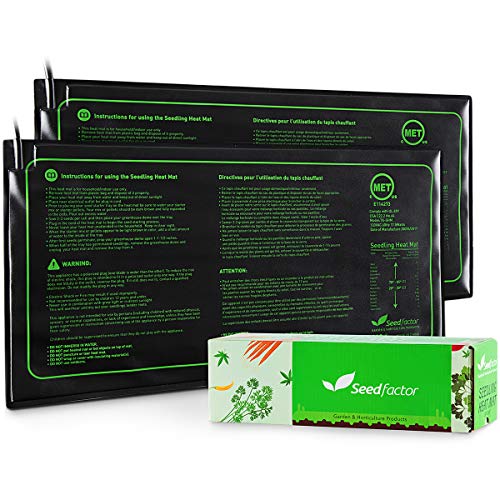
MET safety certified;Comply with UL 499;CSA C22.2 No.64
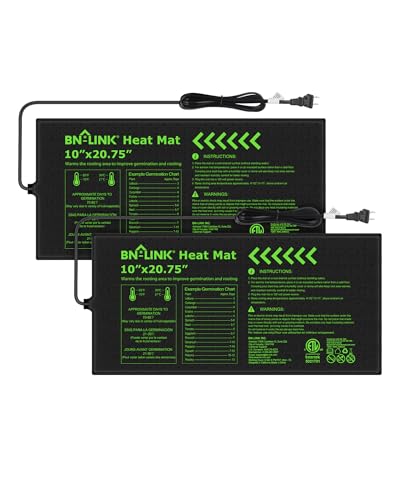
IDEAL GERMINATION TEMPERATURE: The BN-LINK seedling heat mats for seed starting helps maintain temperatures around 70°F to 85°F, the optimal range for seed germination, cutting propagation, and healthy seedling growth. Achieve faster germination and higher growth rates with seed heating mat.

✓ Consistent & Uniform Heating: BN-LINK seedling heat mat for seed starting maintains temperatures around 70–85℉, creating ideal conditions for seed starter and cutting propagation, speeding up seed germination and accelerating seedlings growth. The advanced heating film with double insulation layers ensures even heat and prevents scorching roots.
What is the germination time for lettuce seeds?
The average germination time for lettuce seeds is typically between 7 to 14 days. This timeframe can vary based on factors such as seed variety, soil quality, and environmental conditions.
What temperature do lettuce seeds prefer for germination?
Lettuce seeds germinate best at temperatures between 60°F and 70°F. Maintaining this temperature range can significantly enhance the germination process.
Should I pre-soak lettuce seeds before planting?
Yes, pre-soaking lettuce seeds for 2 to 4 hours is recommended, especially for older seeds. This practice can help improve germination rates by softening the seed coat.
How deep should I plant lettuce seeds?
Lettuce seeds should be sown at a shallow depth, typically about ¼ to ½ inch deep. Proper depth ensures better moisture access and promotes healthy germination.
How can I improve lettuce seed germination success?
To improve germination, use well-draining soil, maintain consistent moisture levels, and ensure optimal temperatures. Utilizing a seedling heat mat can also enhance success rates.
What are signs of successful lettuce seed germination?
Signs of successful germination include seedlings breaking through the soil surface and the formation of true leaves. Monitoring these indicators helps gardeners manage their crops effectively.
What should I do if my lettuce seeds are not germinating?
If your lettuce seeds are not germinating, check soil temperature and moisture levels. Ensure conditions are within the 60°F to 70°F range and keep the soil consistently moist but not soggy.
