

Are you excited to grow your own fresh lettuce but unsure when to get started in Connecticut? You’re not alone! Many gardeners face the challenge of timing their planting to ensure a bountiful harvest.
Key Takeaways
- Understand Lettuce Varieties: Different types of lettuce, such as loose-leaf, romaine, and iceberg, have unique planting and maturity needs that should guide your choices in Connecticut.
- Optimal Spring Planting: For successful spring harvests, plant loose-leaf lettuce by April 1, romaine in early April, and iceberg by mid-April when soil temperatures reach above 45°F.
- Fall Planting Strategy: Extend your harvest by planting loose-leaf lettuce in mid-August, romaine by early September, and iceberg by late August to avoid frost damage.
- Soil and Sun Requirements: Ensure well-draining, nutrient-rich soil with a pH between 6.0 and 7.0, and aim for at least 6 hours of daily sunlight for optimal lettuce growth.
- Watering Guidance: Maintain consistent moisture with approximately 1 inch of water weekly while avoiding overwatering to prevent root rot.
- Avoid Common Mistakes: Be mindful of planting timing and avoid overwatering to maximize your chances of a successful lettuce harvest in Connecticut.
Understanding Lettuce Varieties
Different varieties of lettuce thrive in varying conditions. Understanding these can improve your planting success in Connecticut.
Recommended Products

5-Variety Lettuce Seed Collection - Enjoy a continuous harvest of fresh, flavorful greens! This lettuce seed collection includes Black Seeded Simpson, Iceberg, Buttercrunch, Parris Island Cos, and Lolla Rossa Lettuce.

10 LETTUCE VARIETIES – Lettuce (Lactuca sativa) varieties for your garden, including Buttercrunch, Green Salad Bowl, Iceberg, Lolla Rossa, Oakleaf, Parris Island Romaine, All the Year Round, Black Seeded Simpson, Red Romaine, and Red Salad Bowl
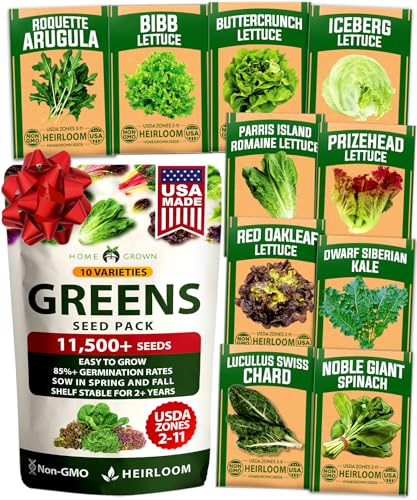
COMPLETE VARIETY PACK: Ten popular lettuce and leafy green varieties; Romaine lettuce seeds, Buttercrunch, Iceberg, Bibb, Red Oakleaf, Prizehead, Kale, Spinach and more; Perfect for organic salad gardens; High 95% germination rate
Loose-Leaf Lettuce
Loose-leaf lettuce grows rapidly and matures in about 45 to 55 days. It tolerates cool weather well. Choose varieties like ‘Black Seeded Simpson’ or ‘Red Romaine’ for vibrant colors and flavors. Start seeds indoors in early spring or sow them directly in the garden in late March to early April.
Romaine Lettuce
Romaine lettuce requires slightly longer growing periods, usually 70 to 80 days. This variety stands out for its crisp texture and higher nutritional value. Popular strains include ‘Paris Island Cos’ and ‘Heirloom Romaine.’ Plant seeds outdoors in early April for optimal growth before the heat of summer sets in.
Iceberg Lettuce
Iceberg lettuce takes the longest to mature, typically 80 to 90 days. It’s known for its crunchy and dense heads. Varieties like ‘Great Lakes’ and ‘Summertime’ offer reliability. For best results, sow seeds directly in your garden in mid-April. This timing helps avoid bolting during warmer months.
Understanding these lettuce varieties will guide your planting decisions. Select based on your preferences and the climate in Connecticut for a rewarding gardening experience.
Optimal Planting Times in Connecticut
For successful lettuce cultivation in Connecticut, timing plays a crucial role. Understanding the optimal planting times for both spring and fall ensures a bountiful harvest.
Recommended Products

"Mesclun" comes from the Provençal French word meaning "mixture" — this style of mixed salad greens originated in the Nice region of France and became a staple of fine restaurants worldwide before becoming a home garden favorite.

Beautiful - Large, premium packet of a blend of heirloom Lettuce seeds (Latuca sativa). This surprising mix of pretty and colorful lettuces will be a welcome addition to your garden in early spring and fall. Minimum of 600 mg per packet (about 650 seeds).

4 Popular Heirloom Lettuce Varieties: Includes Red Romaine, Bibb Butterhead, Black Seeded Simpson, and Green Ice lettuce seeds to grow crisp, tender, and colorful salad greens with balanced flavor, texture, and visual appeal.
Spring Planting
Spring planting is ideal for lettuce, as it thrives in cooler temperatures. The best time to plant is early to mid-April. Here’s a breakdown of planting specific varieties:
- Loose-leaf Lettuce: Start seeds indoors or direct sow them in the garden around April 1. This type matures in about 45 to 55 days, allowing for multiple harvests throughout the season.
- Romaine Lettuce: Plant seeds in early April. With a maturity period of 70 to 80 days, it’s perfect for those who enjoy crisp, crunchy salads.
- Iceberg Lettuce: Aim to sow these seeds by mid-April, as they require 80 to 90 days to reach full maturity. Iceberg lettuce offers that classic texture and flavor.
Ensure soil temperatures are consistently above 45°F for optimal germination rates.
Fall Planting
Fall planting can extend your lettuce harvest into the cooler months. You can start planting in late summer, typically around mid-August to early September. Key points for fall planting include:
- Loose-leaf Lettuce: Sow seeds starting mid-August to continue enjoying fresh salads until the first frost, as they grow quickly.
- Romaine Lettuce: Plant by early September. This allows enough time for the lettuce to mature before colder temperatures set in.
- Iceberg Lettuce: For a successful fall crop, plant by late August. Managing this variety requires careful timing to avoid frost damage.
Covering young plants with row covers can provide extra warmth and protection during cool nights, aiding in growth and extending harvest time.
Preparing Your Garden for Lettuce
Preparing your garden for lettuce involves assessing soil quality, ensuring adequate sunlight, and managing watering schedules. These factors contribute significantly to the health and growth of your plants.
Recommended Products

NUTRIENT-RICH, NATURAL, AND ORGANIC SOIL: Grow a bountiful garden in your home with the Back to the Roots All-Purpose Natural and Organic Peat-Free 3-in-1 Seed Starting Mix, packed with the nutrients needed for your plants, flowers, and vegetables to thrive

CONTAINS: This organic Seed Stating soil mix is a rich blend of sphagnum peat moss & perlite with yucca extract and lime to ensure correct pH.

Miracle-Gro Indoor Potting Mix for Seed Starting grows stronger roots for seeding success (vs unfed when used as directed)
Soil Requirements
Soil plays a crucial role in growing lettuce. Use well-draining soil rich in organic matter. Aim for a pH level between 6.0 and 7.0 for optimal growth. To amend your soil, mix in compost or well-rotted manure before planting. This enhances nutrient availability and improves soil structure. Test your soil before planting to identify any deficiencies and address them accordingly. For quick action, add balanced fertilizers like 10-10-10 to give your lettuce a boost.
Sunlight and Water Needs
Lettuce thrives in full sun but can tolerate partial shade, especially in warmer months. Aim for at least 6 hours of sunlight daily for optimal growth. Monitor your garden space for shading from trees or buildings, and adjust your planting area if necessary.
Watering is essential for lettuce, as consistent moisture promotes tender leaves. Water your lettuce at least once a week, ensuring the soil stays evenly moist without becoming waterlogged. A good rule of thumb is to provide about 1 inch of water per week, either through rainfall or irrigation. Use mulch to retain moisture and suppress weeds, allowing your lettuce to flourish.
Common Mistakes to Avoid
When planting lettuce in Connecticut, avoiding certain mistakes can significantly improve your chances of a successful harvest.
Overwatering
Overwatering leads to root rot and other issues in lettuce plants. Ensure the soil drains well. Water gently to keep the soil moist but not soggy. Use a finger test: if the soil feels dry a couple of inches down, it’s time to water. Aim for about 1 inch of water per week, adjusting for rainfall and temperature changes. Mulching helps retain moisture, reducing the need for frequent watering.
Planting at the Wrong Time
Planting lettuce too early or too late can hinder growth. Spring is ideal for most varieties. For example, start loose-leaf lettuce around April 1, Romaine in early April, and Iceberg by mid-April when soil temperatures exceed 45°F. For fall, aim to sow loose-leaf lettuce in mid-August and Romaine by early September. Monitor the forecast closely. Frost can damage young plants, so avoid planting during late frost risks.
Conclusion
Timing’s everything when it comes to planting lettuce in Connecticut. By understanding the right planting times for each variety and preparing your garden properly, you can set yourself up for a successful and tasty harvest. Remember to keep an eye on soil temperatures and ensure your plants get enough sunlight and water.
With a little care and attention, you’ll be enjoying fresh lettuce from your own garden in no time. So grab your seeds and get ready to dig in. Happy gardening!
Frequently Asked Questions
When is the best time to plant lettuce in Connecticut?
The best time to plant lettuce in Connecticut varies by type. For loose-leaf lettuce, aim to start around April 1. Romaine should be planted in early April, while Iceberg is ideally sown by mid-April. Ensuring soil temperatures are above 45°F is key for optimal germination.
What varieties of lettuce grow well in Connecticut?
Popular lettuce varieties for Connecticut include loose-leaf, Romaine, and Iceberg. Loose-leaf matures in 45 to 55 days, Romaine takes 70 to 80 days, and Iceberg requires 80 to 90 days. Choosing the right type based on your planting time enhances chances of success.
How do I prepare my garden for growing lettuce?
To prepare your garden for lettuce, assess soil quality by ensuring good drainage and organic matter. Aim for a soil pH between 6.0 and 7.0. Also, provide full sun exposure or at least 6 hours of sunlight daily, and establish a consistent watering schedule.
How much water does lettuce need?
Lettuce requires approximately 1 inch of water per week. Consistent moisture is crucial for healthy growth. Mulching can help retain soil moisture and suppress weeds, ensuring your lettuce receives the hydration it needs without overwatering.
What are common mistakes to avoid when planting lettuce?
Common mistakes include overwatering, which can lead to root rot, and not planting at the right time, risking late frost damage. Ensure proper soil drainage, avoid excessive moisture, and choose the appropriate planting time based on the variety to improve your harvest success.
