

Are you struggling to get your hydroponic lettuce to thrive? You’re not alone. Many growers find that getting the right amount of light can be tricky, leading to less-than-ideal results.
In this article, you’ll discover exactly how much light your lettuce needs to flourish. From understanding light intensity to choosing the right fixtures, you’ll gain practical tips to boost your hydroponic garden. With the right guidance, you can enjoy a bountiful harvest of fresh, crisp lettuce all year round.
Key Takeaways
- Optimal Light Intensity: Hydroponic lettuce thrives at light intensity levels between 200 to 400 µmol/m²/s, ensuring healthy growth and preventing issues such as legginess or scorching.
- Balanced Light Spectrum: Utilize both blue light for vegetative growth and red light for flowering stages; a combination of these spectrums supports overall plant health and yields.
- Light Duration Requirements: Maintain a daily light exposure of 12 to 16 hours; seedlings typically need 12-14 hours, while mature plants thrive on 14-16 hours for maximum yield.
- Choosing Light Fixtures: Consider the advantages of different lighting options—LEDs are energy-efficient and customizable, while fluorescents are budget-friendly, and HID lights provide intense illumination but require more management.
- Monitoring and Adjustments: Regularly check light conditions and adjust fixture height based on plant growth; using a light meter can help maintain optimal intensity levels.
- Adapt to Growth Stages: Modify light intensity and duration according to the growth stage of the lettuce; seedlings need lower intensity and shorter duration, while mature plants require increased exposure for robust growth.
Understanding Hydroponic Lettuce Cultivation
Hydroponic lettuce cultivation relies heavily on light for optimum growth. You should understand the primary light requirements to maximize your yield.
Light Intensity
Light intensity plays a crucial role in plant growth. For hydroponic lettuce, using a light intensity of 200 to 400 µmol/m²/s ensures healthy development.
- Low Light Conditions: Insufficient light slows growth rates and may lead to leggy plants.
- High Light Conditions: Excessive intensity can scorch leaves and hinder photosynthesis.
Light Spectrum
The light spectrum impacts lettuce growth and development stages:
- Blue Light: Encourages vegetative growth, essential during the early stages.
- Red Light: Promotes flowering and overall yield, crucial during later growth phases.
Ideal light fixtures should provide a balanced spectrum featuring both blue and red light.
Duration of Light Exposure
You must consider light duration alongside intensity. Hydroponic lettuce needs 12 to 16 hours of light daily.
- 12 Hours: Suitable for short-term growth cycles.
- 16 Hours: Ideal for maximizing yield in longer cycles.
Using timers ensures consistent light exposure for your plants.
Types of Light Fixtures
Different types of light fixtures can affect growth outcomes:
- LED Grow Lights: Energy-efficient, long-lasting, and customizable spectrum.
- Fluorescent Lights: Affordable and suitable for small setups but less efficient compared to LEDs.
- High-Intensity Discharge (HID) Lights: Higher heat output, requiring additional cooling solutions.
Each type offers advantages and disadvantages. Choose a fitting option based on your setup size and budget.
Monitoring and Adjusting Light Conditions
Regularly monitor light conditions to maintain optimal settings. Adjust the height of fixtures based on plant growth for even light distribution. Utilizing a light meter can help you track intensity levels and ensure they remain within the ideal range.
By understanding these factors, you can create a thriving environment for hydroponic lettuce cultivation, leading to healthier plants and a bountiful harvest.
Importance Of Light In Hydroponics
Light plays a crucial role in hydroponic lettuce growth. It influences photosynthesis, which is essential for plant health and production.
Recommended Products
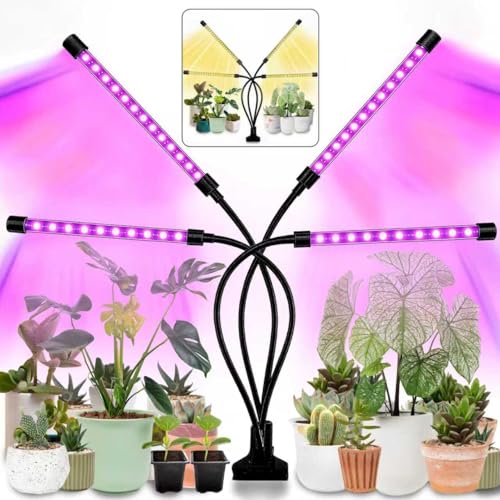
🌻Efficient LED Combination: This LED lamp has grow lights made up of 80 efficient growing LEDs ( 32 red lights, 12 blue lights,20 yellow lights and 16 white lights). It meets the conditions of plant growth without sunlight. 1--Full Spectrum(380nm-800nm): Suitable for all plants to root and sprout. 2--Red(660nm)+BLUE(460nm) Spectrum: for blooming and fruits. 3--Red+Blue+Full Spectrum: A mix of Red+Blue+Warm White is best to fuel the growth of your plants.


PATENTED SMART HYDROPONIC SYSTEM: Take your indoor gardening to the next level with our patented smart hydroponic system, featuring the exclusive LetPot app. With just a few taps on your phone, you can effortlessly adjust the 0-24 hours LED lighting schedule to provide your plants with the perfect amount of light and precies on/off time. Our innovative reminder system also ensures you never forget to water your plants again, making growing healthy and vibrant plants easier than ever before.
Role Of Light In Plant Growth
Light provides the energy plants need to conduct photosynthesis. During this process, plants convert light into chemical energy, which fuels growth. Adequate light intensity and spectrum directly affect the rate of photosynthesis, impacting growth speed and yield.
- Blue light promotes healthy leaf development. It enhances vegetative growth, making it vital for early growth stages.
- Red light supports flowering and fruit production. This balance ensures robust growth.
Maintaining the right light duration is equally important. Continuous exposure encourages stronger plants. Aim for 12 to 16 hours of light daily for best results.
Types Of Light Sources
Different light sources are available for hydroponic systems, each with unique benefits.
- LED Grow Lights: Energy-efficient and long-lasting, LED lights produce minimal heat and offer specific light spectrums tailored for lettuce growth.
- Fluorescent Lights: Affordable and easy to install, these lights provide a decent spectrum for seedlings but require frequent replacement.
- HID Lights: High-intensity discharge lights offer strong illumination but consume more energy and generate more heat, posing a risk of overheating.
Select the right type based on your setup, budget, and specific needs for optimal growth.
Determining Light Requirements
Understanding light needs is essential for robust hydroponic lettuce growth. Different factors affect how much light your lettuce plants require.
Recommended Products

【Perfect for All Growth Stages】 Excellent full spectrum LED grow light, including white, blue, red. The 660nm red and white light speeds up flowering time and boosts yields. The 430nm blue light can accelerate the growth of plant rhizomes and leaves. Allows you to harvest easy-to-grow vegetables, flowers, and herbs in harsh environments

High planting efficiency: Start an indoor herb garden with the Ahopegarden hydroponic growing system, which includes a water reservoir, an overhead LED grow light, and a circulation system that keeps the water fresh. The hydroponic setup and lighting systems allow plants to grow up to faster and healthier in controlled conditions. Simply add plant seeds, water, and nutrients to the reservoir and watch the plants grow

5 TIMES FASTER GROW: Hydroponics growing system with a 24-watt LED light that simulates the effects of sunlight which promotes photosynthesis for plants. Even if leave indoor garden in a corner, plants also germinate and grow quickly. Harvest fresh all year round. indoor herb garden LED panel can be adjusted to 180°maximum and 21 inches maximum height. Compact design fits on any windowsill or kitchen shelf, gardening gifts for women
Factors Affecting Light Needs
- Growth Stage: Seedlings and mature plants need different light levels. Start seedlings under lower intensity, then increase as they grow.
- Variety of Lettuce: Leafy greens vary in light demands. Varieties like Butterhead may need less light than Romaine.
- Environmental Conditions: Temperature, humidity, and air circulation influence light absorption. Cooler, well-ventilated areas may support higher light levels.
- Light Fixture Type: Different fixtures emit various intensities. LED fixtures provide specific wavelengths that can enhance growth.
- Plant Density: Closer spacing among plants can limit light penetration. Space plants adequately to ensure even light distribution.
Recommended Light Intensity
Aim for 200 to 400 µmol/m²/s for optimal growth.
| Growth Stage | Light Intensity (µmol/m²/s) |
|---|---|
| Seedling | 100 to 200 |
| Vegetative | 200 to 300 |
| Mature Plants | 300 to 400 |
Monitor your plants. If leaves stretch or turn pale, increase light intensity. Conversely, if leaves scorch, reduce it. Regular adjustments based on plant response promote healthy development and yield.
Light Duration And Schedule
Light duration is critical for hydroponic lettuce growth. Providing the right schedule supports healthy development and maximizes yield.
Recommended Products

SMART WATER & NUTRIENT REMINDERS: Unlike basic indoor gardens, this hydroponics growing system features separate 2-week countdown reminders for water and nutrients. When a cycle ends, the corresponding LCD icon flashes to let you know it is time to refill. After refilling, simply restart the countdown to begin a new care cycle.

【8.6'' Light Strip and 52 Full Spectrum LEDs】The Grow Light has 52 LEDs and each light bar has 26pcs 3500K LEDs. High quality LEDs help plants grow with high light efficiency, high PPFD, low heat and longer lifespan. Indoor plant light emits all wavelengths from 380nm to 800nm, simulating natural sunlight to more effectively promote the growth of indoor plants.

PLUG-IN MECHANICAL TIMER – Reliable and hassle-free timer for electrical outlets, gives you precision control over electronics without having to plug and unplug them
Daily Light Intervals
Daily light intervals typically range from 12 to 16 hours. Aim for 14 hours as a good middle ground. During these hours, lettuce receives adequate light to photosynthesize effectively. It’s essential to maintain consistency. Variations can stress plants and impact growth. For best results, invest in programmable timers for your lighting system. A timer ensures you deliver the perfect light duration every day without manual effort.
Adjusting Light Based On Growth Stage
Adjust light duration based on the growth stage. Seedlings thrive on 12 to 14 hours of light daily. Young plants require lower intensity, so keep light levels around 100 to 200 µmol/m²/s. As plants mature, increase light exposure to 14 to 16 hours and raise intensity to 300 to 400 µmol/m²/s.
Monitor plant responses closely. If leaves appear pale or stretched, consider increasing light intensity or duration. Conversely, if plants show signs of stress, such as curling or browning, reduce the exposure time or intensity. By aligning light requirements with growth stages, you foster a healthy environment for robust lettuce production.
Conclusion
Getting the right amount of light for your hydroponic lettuce is key to enjoying a bountiful harvest. By understanding light intensity and spectrum you can create the perfect environment for your plants. Remember to adjust your light duration based on their growth stage and monitor how they respond to different lighting conditions.
Choosing the right light fixture can make a big difference too. Whether you go for LEDs fluorescent or HID lights each option has its perks. With a little attention and care you can cultivate healthy vibrant lettuce that thrives in your hydroponic setup. Happy growing!
Frequently Asked Questions
What is the ideal light intensity for hydroponic lettuce?
Adequate light intensity for hydroponic lettuce growth ranges from 200 to 400 µmol/m²/s. Seedlings need about 100 to 200 µmol/m²/s, while mature plants thrive at 300 to 400 µmol/m²/s. Monitoring plant responses will help you adjust light intensity for optimal growth.
How important is light spectrum for lettuce growth?
Light spectrum is crucial for hydroponic lettuce. Blue light supports vegetative growth and healthy leaf development, while red light enhances flowering and yield. A balanced spectrum promotes overall growth, making it essential for successful hydroponic cultivation.
How long should hydroponic lettuce be exposed to light?
Hydroponic lettuce should receive 12 to 16 hours of light daily, with 14 hours being optimal. Adjust light duration based on growth stages: seedlings do well with 12 to 14 hours, while mature plants benefit from 14 to 16 hours. Consistency is key to preventing plant stress.
What types of light fixtures are best for hydroponic lettuce?
The best light fixtures for hydroponic lettuce include LED grow lights for energy efficiency and longevity, fluorescent lights for affordability and simplicity, and HID lights for strong illumination. Choose a fixture based on setup, budget, and specific growth needs.
How does light affect photosynthesis in lettuce?
Light plays a critical role in photosynthesis, which is essential for plant health and growth. Adequate light intensity and spectrum enhance the rate of photosynthesis, affecting growth speed and yield. Proper light management leads to healthier lettuce plants and better production.
Why should I monitor my lettuce plants’ response to light?
Monitoring your lettuce plants’ response to light is vital for adjusting light intensity and duration as needed. Each plant may have different requirements based on growth stage and variety. Observing their health and growth ensures you provide the best environment for thriving plants.
Can I use timers for managing light exposure?
Yes, using programmable timers is highly recommended for managing light exposure in hydroponic systems. Timers help ensure consistent light intervals, minimizing the risk of plant stress and allowing for easier adjustments based on growth stages and specific needs.
