

Have you ever wondered how long it takes for lettuce seeds to sprout? If you’re eager to grow your own crisp greens, knowing the timeline can make all the difference. Imagine planting those tiny seeds and watching them transform into fresh, vibrant lettuce right in your garden or kitchen.
Key Takeaways
- Germination Timeframe: Lettuce seeds typically sprout within 7 to 14 days, depending on the type and environmental conditions.
- Optimal Conditions: Maintain soil temperatures between 60°F and 70°F and ensure consistent moisture for successful sprouting.
- Seed Varieties: Different lettuce types, such as Romaine, Iceberg, Leaf, and Butterhead, have varying germination rates ranging from 5 to 14 days.
- Soil Quality Matters: Use a lightweight potting mix for better drainage and moisture retention, ideally with a pH level between 6.0 and 7.0.
- Common Issues: Address poor germination rates by monitoring temperature, moisture levels, and using high-quality seeds to enhance sprouting success.
- Pest and Disease Prevention: Keep an eye out for pests and fungal diseases, employing preventive measures to ensure healthy lettuce growth.
Understanding Lettuce Seeds
Lettuce seeds sprout with proper conditions, making it essential to understand their characteristics. Knowing the types of seeds and their germination requirements can enhance your growing experience.
Types of Lettuce Seeds
Lettuce comes in several varieties, each producing unique flavors and textures. Here are some common types of lettuce seeds:
- Romaine: Known for its sturdy leaves and crisp texture, great for salads and sandwiches.
- Iceberg: Famous for its crunchiness, Iceberg lettuce grows in dense heads.
- Leaf: Soft, tender leaves make this variety versatile for many dishes.
- Butterhead: Renowned for its sweet flavor and tender leaves, ideal for salads.
Each type may sprout at slightly different rates, but most varieties generally germinate within 7 to 14 days.
Germination Requirements
Lettuce seeds require specific conditions for optimal germination. Key factors include:
- Temperature: Maintain a soil temperature between 60°F to 70°F for best results.
- Moisture: Keep the soil consistently damp but not soggy to avoid rot.
- Light: Provide indirect light during germination, as excessive sunlight can hinder sprouting.
Using seed trays or pots can help control these factors effectively. With the right care, you’ll see your lettuce seeds sprout, paving the way for fresh greens.
Factors Affecting Lettuce Sprouting
Several factors influence how long lettuce takes to sprout. Understanding these factors helps in nurturing your seeds effectively for optimal growth.
Recommended Products

PRECISE SOIL TEMPERATURE READINGS: Measures soil temperatures from 20 degrees F to 180 degrees F (0 degrees C to 80 degrees C) with a large, easy-to-read analog dial face - no batteries or digital screens needed for reliable results every time

Easy-to-read green, yellow, and red tick marks for easy monitoring
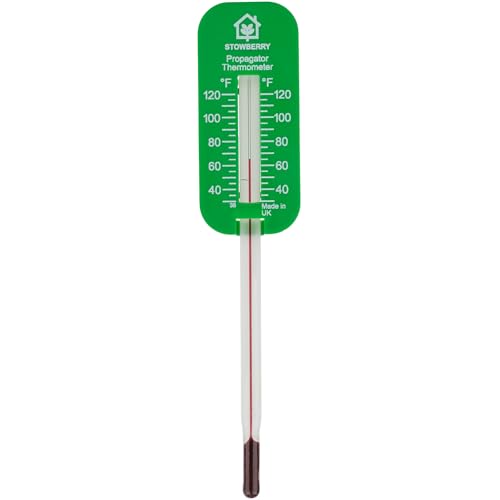
ACCURATE SOIL TEMPERATURE READINGS – Ensure the perfect growing environment for seeds and plants with this greenhouse soil thermometer, designed to give reliable and precise temperature measurements.
Temperature
Temperature plays a critical role in lettuce germination. Lettuce seeds prefer a soil temperature range of 60°F to 70°F. In this range, seeds sprout within 7 to 14 days. If the temperature drops below 55°F, germination slows significantly, while temperatures above 75°F can cause seeds to become dormant. Use a soil thermometer to monitor the temperature for consistent results.
Moisture Levels
Moisture levels are vital for sprouting lettuce seeds. The soil should remain consistently damp but not waterlogged. Overwatering can suffocate the seeds and lead to rot, whereas dry soil halts germination. Aim for a balance by checking the soil daily. Mist the surface lightly if it feels dry, ensuring adequate hydration for successful sprouting.
Soil Quality
Soil quality affects nutrient availability and drainage. Use a lightweight potting mix designed for seedlings, which promotes drainage and retains moisture. Adding perlite or vermiculite can enhance aeration. A pH level between 6.0 and 7.0 is ideal for lettuce. Regularly check the soil for compaction, as this can hinder root development and overall growth.
Typical Sprouting Timeline
Understanding the timelines involved in sprouting lettuce seeds helps manage expectations and plan accordingly. Lettuce seeds exhibit specific germination patterns that vary based on seed type and environmental conditions.
Days Until Germination
Lettuce seeds typically germinate between 7 and 14 days. Factors like seed variety and external conditions can influence this timeline. For example:
- Romaine: 7 to 12 days
- Iceberg: 8 to 14 days
- Leaf: 5 to 10 days
- Butterhead: 7 to 14 days
Monitoring the soil temperature and moisture levels plays a crucial role in achieving optimal germination rates.
Ideal Conditions for Faster Growth
Creating ideal conditions boosts the chances of quicker growth. Follow these tips for the best results:
- Maintain Soil Temperature: Keep the soil between 60°F and 70°F. Use a thermometer to assess the conditions effectively.
- Consistent Moisture: Ensure the soil stays damp but not soggy. Water gently to prevent disturbing the seeds.
- Indirect Light Exposure: Place seed trays or pots in areas with indirect light to avoid overheating. Natural light is preferable for healthy seedling development.
Combine these strategies for a more efficient sprouting experience, leading to successful growth of your lettuce plants.
Common Issues and Solutions
Sprouting lettuce can come with challenges. Knowing how to address some common issues can ensure a successful growth experience.
Recommended Products
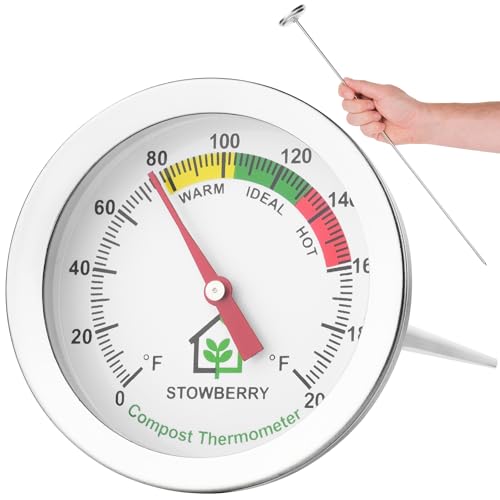
COMPOST THERMOMETER FOR ACCURATE TEMPERATURE MONITORING: Easily track compost temperature levels with this 20 Inch stainless steel probe that reaches deep into piles for precise core readings

MONITOR COMPOST ACTIVITY & SOIL READINESS: This 5-inch stainless steel thermometer is the essential tool for compost piles and garden beds. Measure the core temperature of your compost to gauge decomposition, and test soil warmth for perfect seeding, transplanting, and lawn care timing.
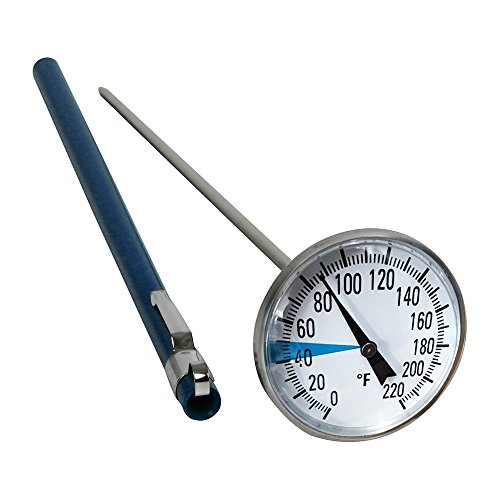
PRACTICAL SOLUTION - While other Soil Thermometers can’t tell the correct temperature, fogs up, and get broken easily, our soil thermometer has high precision performance, high-visibility, and is designed to last
Poor Germination Rates
Poor germination rates often stem from improper conditions. Factors like temperature and moisture levels play crucial roles. If your seeds aren’t sprouting, check the following:
- Temperature: Ensure the soil temperature is between 60°F to 70°F. Germination slows below 55°F and stops above 75°F. Use a soil thermometer to verify.
- Moisture: Keep the soil consistently damp but not waterlogged. Too much water can suffocate seeds, while too little can dry them out. A spray bottle helps maintain moisture without over-saturating.
- Seed Quality: Check the expiration date on your seeds. Older seeds might have reduced viability. Purchase fresh, high-quality seeds to improve success rates.
- Soil Type: Use a lightweight potting mix designed for seedlings. Heavy soils can inhibit roots and prevent proper germination.
Adjusting these elements often leads to improved sprouting success.
Pests and Diseases
Pests and diseases can hinder lettuce growth and decrease yields. Preventing issues before they arise is vital. Here’s what to look for:
- Common Pests: Watch for aphids, slugs, and whiteflies. These pests can damage seedlings and stunt growth.
- Solution: Use insecticidal soap or neem oil to treat infested plants. Regularly inspect your leaves for early signs of infestation.
- Fungal Diseases: Fungal issues like damping-off can affect seedlings.
- Solution: Ensure good air circulation around seedlings. Avoid overwatering and use sterilized seed trays. If you spot mold on the soil surface, remove it immediately.
- Contaminated Seeds: Sometimes, disease can come from the seeds themselves.
- Solution: Use seeds treated for disease resistance. Soaking seeds in a diluted hydrogen peroxide solution before planting can help eliminate pathogens.
By addressing pest and disease concerns proactively, you can support healthy, vibrant lettuce plants.
Conclusion
Growing your own lettuce can be a rewarding experience that brings fresh flavors to your meals. By understanding the sprouting timeline and the specific needs of your lettuce seeds you can set yourself up for success. Remember to keep an eye on soil temperature moisture levels and light exposure.
With a little patience and care your seeds will soon transform into vibrant greens ready for harvest. So get your hands dirty and enjoy the journey of watching your lettuce thrive. Happy gardening!
Frequently Asked Questions
How long does it take for lettuce seeds to sprout?
Lettuce seeds generally germinate within 7 to 14 days. The exact timeline can vary based on the type of lettuce and environmental conditions. For example, Romaine seeds typically take 7 to 12 days, while Iceberg seeds may take 8 to 14 days.
What type of lettuce seeds can I plant?
You can plant various types of lettuce seeds, including Romaine, Iceberg, Leaf, and Butterhead. Each type offers distinct flavors and textures that can enhance your salads and dishes.
What are the ideal conditions for lettuce seed germination?
Lettuce seeds prefer a soil temperature between 60°F to 70°F and consistent moisture levels. They need indirect light during germination for optimal growth. Maintaining these conditions is essential for successful sprouting.
How often should I water lettuce seeds?
You should keep the soil consistently damp, but not waterlogged. Regularly check the moisture level, ensuring the soil doesn’t dry out completely or become too soggy to promote healthy seed germination and growth.
What factors can affect lettuce sprouting?
Key factors affecting lettuce sprouting include soil temperature, moisture levels, and soil quality. If the temperature is too low or too high, or if the soil is too dry or too wet, germination rates can decline significantly.
What should I do if my lettuce seeds aren’t germinating?
If your lettuce seeds aren’t germinating, check the soil temperature, moisture levels, seed quality, and soil type. Adjust these conditions as needed, and consider using fresh, high-quality seeds for better results.
How can I prevent pests from harming my lettuce?
To prevent pests like aphids and slugs, use natural deterrents such as insecticidal soap or neem oil. Regularly check your plants for signs of pests and maintain good garden hygiene.
What diseases can affect lettuce during growth?
Common diseases affecting lettuce include fungal infections. You can prevent these by ensuring good air circulation, using sterilized seed trays, and choosing disease-resistant seed varieties for better protection.
How can I promote faster growth of lettuce plants?
To promote faster growth, maintain ideal soil temperature and moisture levels, and provide indirect light. Regular monitoring and adjustments can significantly enhance growth rates for your lettuce plants.
