

Have you ever wanted to enjoy fresh, crisp lettuce right from your garden? Growing lettuce from seed is not only rewarding but also surprisingly simple. Imagine stepping outside to pick your own greens for a delicious salad, knowing exactly how they were grown.
Key Takeaways
- Choosing the Right Variety: Select lettuce types based on climate adaptability, growth habit, and flavor preferences to ensure optimal growth and taste.
- Soil Preparation: Prepare well-draining soil with proper pH levels and organic amendments to promote healthy seed germination and robust root development.
- Consistent Care: Water regularly and fertilize with a balanced solution to support steady growth and prevent nutrient deficiencies in seedlings.
- Harvesting Techniques: Harvest at the right time using sharp tools and appropriate methods to maintain plant health and achieve the best flavor.
- Managing Challenges: Stay vigilant against pests and environmental factors, employing organic solutions and protective measures to ensure successful growth.
Preparing for Lettuce Seeds
Preparing for lettuce seeds involves the right choice of varietals and gathering necessary supplies to ensure successful growth.
Recommended Products

4 Popular Heirloom Lettuce Varieties: Includes Red Romaine, Bibb Butterhead, Black Seeded Simpson, and Green Ice lettuce seeds to grow crisp, tender, and colorful salad greens with balanced flavor, texture, and visual appeal.

EASIER SEED STARTING: Our Burpee SuperSeed tray with 36 flexible pop-out cells is designed to simplify indoor seed starting for all your favorite vegetables, flowers and herbs. Just add seed starting mix, seeds, water and light to get growing! Rows are labeled alphanumerically for seedling identification with included Plant-o-Gram diagram. Tray dimensions: 11.5" x 10-3/8" x 2-1/4"
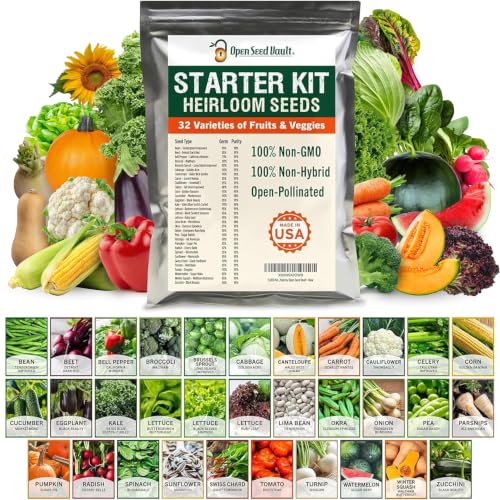
COMPLETE VEGETABLE GARDEN VARIETY PACK – Grow a thriving home garden with 32 popular vegetable seeds including Bean, Beet, Bell Pepper, Broccoli, Brussels Sprout, Cabbage, Cantaloupe, Carrot, Cauliflower, Celery, Corn, Cucumber, Eggplant, Kale, Lettuce (3 types), Lima Bean, Okra, Onion, Pea, Parsnip, Pumpkin, Radish, Spinach, Sunflower, Swiss Chard, Tomato, Turnip, Watermelon, Zucchini. A diverse mix perfect for fresh meals, backyard gardens, and sustainable growing.
Choosing the Right Lettuce Variety
Select from a range of lettuce varieties based on your taste and climate. Leaf lettuce types, like Romaine and Butterhead, grow quickly and yield tender leaves. Crisphead varieties, such as Iceberg, take longer to mature but offer a satisfying crunch. Consider the following factors when choosing:
- Climate Adaptability: Pick varieties suited for your local weather conditions. Cool-season types thrive in spring and fall, while warm-season species do better in summer.
- Growth Habit: Choose between loose-leaf types for frequent harvests or head types for larger yields.
- Flavor Profile: Experiment with different tastes, from sweet Butterhead to mildly bitter Romaine.
Gathering Necessary Supplies
Gathering supplies streamlines the planting process. Here’s what you need:
- Seeds: Purchase high-quality seeds from local nurseries or trusted online retailers. Look for fresh seeds with high germination rates.
- Containers: Use seed trays, pots, or biodegradable pots. Ensure they’re at least 6 inches deep for root development.
- Potting Mix: Choose a lightweight, well-draining potting mix. Avoid garden soil, which can be too compact.
- Watering Can or Spray Bottle: A gentle watering method prevents soil erosion, keeping seeds in place.
- Labels: Track your varieties and planting dates with garden markers to stay organized.
Planting Lettuce Seeds
Planting lettuce seeds requires careful attention to location and soil preparation. Following these guidelines helps ensure a successful growth environment for your plants.
Selecting the Right Location
Choose a spot that receives full sun for at least 6 hours a day. Select areas with good air circulation to prevent mildew and pests. Consider raised beds or containers if soil quality is poor. Avoid low-lying areas that collect water, as lettuce prefers well-drained soil. Check the forecast to ensure the risk of frost is minimal; lettuce thrives in cooler temperatures but avoids frost damage.
Soil Preparation
Prepare the soil by loosening it to about 12 inches deep. Mix in compost or well-rotted manure to improve fertility and drainage. Maintain a pH level between 6.0 and 6.8 for optimal growth. Use a lightweight, well-draining potting mix if planting in containers. After mixing, level the soil, ensuring there are no large clumps. Water the soil thoroughly before planting, as moist soil fosters seed germination.
Caring for Lettuce Seedlings
Caring for your lettuce seedlings is essential for strong growth and healthy plants. Follow these guidelines for optimal results.
Recommended Products

SUPER FINE MIST - Experience a true mist, not just a spray. Our spray bottle’s fine mist is its standout feature. We’ve upgraded the nozzle to deliver a finer, more even mist than other products on the market, ensuring ample coverage. It's perfect for gently hydrating new plants or seeds. Your baby plants will love it!

[ Greeting Card Enclosed ] This elegant plant mister is both an indispensable tool for nurturing indoor greenery and a thoughtful gift for plant lovers. Comes with a customizable greeting card to write your heartfelt wishes – let your love bloom with every spray.

GENTLE HYDRATION FOR DELICATE PLANTS: Delivers a fine & even mist that replicates natural humidity to hydrate indoor house plants like orchids, tropical plants, ferns, and even seedlings without over-saturating the soil or damaging petals
Watering Requirements
Water frequently but gently. Lettuce seedlings thrive in consistently moist soil, preventing them from drying out. Water the seedlings when the top half-inch of soil feels dry. Aim for watering in the early morning to reduce evaporation. Use a spray bottle or gentle watering can to avoid displacing delicate seedlings. If seedlings start wilting, they likely need immediate attention.
Fertilization Tips
Fertilization enhances growth and results in vibrant leaves. Use a balanced, water-soluble fertilizer with equal parts nitrogen, phosphorus, and potassium. Begin fertilizing once seedlings develop two to three true leaves. Dilute fertilizer to half-strength and apply it every two weeks. Avoid over-fertilizing, which can lead to leggy seedlings and reduced flavor. Monitor leaf color; dark green leaves indicate healthy growth while yellowing leaves signal nutrient deficiency.
Harvesting Lettuce
Harvesting lettuce involves timing and technique to ensure the best flavor and crispness. Knowing when and how to harvest makes the process rewarding.
Knowing When to Harvest
You can harvest lettuce when it reaches a desirable size, typically at least 6 to 8 inches tall. Look for vibrant leaf color, which indicates readiness. Harvesting at the right time prevents bitterness. For loose-leaf varieties, start picking leaves as soon as they’re large enough to eat. For head lettuce, wait until the heads feel firm and have formed fully. Monitor your plants and practice harvesting earlier in the morning for the freshest taste.
Proper Harvesting Techniques
You can employ several methods to harvest lettuce effectively:
- Use Sharp Tools: Use clean, sharp scissors or garden shears to cut the leaves. This reduces damage to the plant and minimizes bruising.
- Cut from the Base: For head lettuce, cut close to the base of the head. For loose-leaf varieties, snip off outer leaves, allowing the inner leaves to continue growing.
- Harvest in Stages: Pick only what you need to avoid waste. This method encourages continued growth.
- Avoiding the Heart: Don’t cut the heart or central part of the plant, as this can inhibit future growth.
- Rinse and Store: After harvesting, rinse the leaves gently in cool water, and dry them. Store in a refrigerator to maintain crispiness.
Common Challenges and Solutions
Growing lettuce from seed presents some common challenges, but with the right solutions, success is achievable.
Recommended Products


WHEN TO APPLY: Evening is the best time to apply this slug and snail bait, as slugs and snails travel and feed mostly by night or early morning

We grow a variety of edible seasonal seedlings (aka plugs/starts/transplants) that will flourish in your soil or hydroponic garden.
Pests and Diseases
You might encounter pests like aphids or slugs that can damage young seedlings. To combat these pests, consider using organic methods such as introducing beneficial insects, like ladybugs, or applying diatomaceous earth around your plants. Managing diseases, such as downy mildew or root rot, requires attention to sanitation. Ensure tools are clean, avoid overcrowding, and water early in the day to allow foliage to dry. Monitoring plants regularly helps catch issues early, allowing for prompt action.
Environmental Factors
Environmental factors significantly impact lettuce growth. Temperature extremes can hinder development—lettuce thrives best in temperatures between 60°F and 70°F. If temperatures exceed 75°F, consider using shade cloths to reduce heat stress. Soil moisture is crucial; you must maintain a consistently moist environment without waterlogging. To enhance drainage, add organic matter like compost. Additionally, wind can pose a threat to delicate seedlings. Use row covers or plant nearby windbreaks to shield your lettuce from harsh gusts.
Conclusion
Growing lettuce from seed is a fun and rewarding journey. You get to enjoy the freshest greens right from your garden while knowing exactly how they were grown. With the right preparation and care your lettuce will thrive and provide you with delicious harvests.
Remember to keep an eye on your seedlings and adjust your care as needed. Whether you’re enjoying a crisp salad or adding lettuce to a sandwich you’ll appreciate the flavors of your homegrown produce. So grab those seeds and get started on your lettuce-growing adventure. Happy gardening!
Frequently Asked Questions
What are the benefits of growing lettuce from seed?
Growing lettuce from seed allows you to enjoy fresh, crisp leaves right from your garden. You have control over the cultivation process, ensuring no harmful chemicals are used. Plus, selecting your desired varieties can bring flavor and diversity to your salads.
How do I choose the right lettuce seeds?
Select lettuce seeds based on your climate and personal taste. Consider factors like climate adaptability, growth habit, and flavor profile. Popular varieties include romaine, butterhead, and leaf lettuce, each offering unique textures and tastes.
What supplies do I need to grow lettuce?
Essential supplies for growing lettuce include high-quality seeds, appropriate containers or raised beds, a lightweight potting mix, gentle watering tools, and plant labels. These items will help ensure your lettuce grows healthy and strong.
How should I prepare the soil for lettuce seeds?
Loosen the soil to about 12 inches deep and mix in compost or well-rotted manure for improved fertility. Maintain a pH level between 6.0 and 6.8, and ensure the location has good air circulation and receives at least 6 hours of sunlight daily.
How often should I water lettuce seedlings?
Water lettuce seedlings frequently but gently to keep the soil consistently moist. Morning watering is ideal to minimize evaporation. Monitor the moisture level, ensuring the soil isn’t overly dry or waterlogged for optimal growth.
When is the best time to harvest lettuce?
Harvest lettuce when it reaches 6 to 8 inches tall, looking for vibrant leaf color as an indicator of readiness. For loose-leaf varieties, leaves can be picked when large enough, while head lettuce should be harvested when the heads feel firm.
What are common pests and diseases affecting lettuce?
Common pests include aphids and slugs, while diseases may involve downy mildew or root rot. To manage these issues, maintain garden sanitation, avoid overcrowding, introduce beneficial insects, and practice proper watering techniques for healthier plants.
