

Ever wondered how long it takes for that crisp, fresh lettuce to go from seed to salad? If you’ve tried growing your own greens, you know the excitement of watching them sprout. But timing can be tricky, and knowing how many days lettuce takes to grow can make all the difference in your gardening success.
Key Takeaways
- Lettuce Growth Timeframes: Different types of lettuce have varying growth times, with Leaf lettuce maturing in 45-55 days, while Iceberg and Romaine take around 70-85 days to harvest.
- Ideal Growing Conditions: Lettuce thrives in temperatures between 60°F and 70°F, requires well-draining soil with a pH of 6.0-6.8, and needs consistent moisture, approximately 1 to 1.5 inches of water per week.
- Germination and Seedling Stages: Lettuce seeds typically germinate in 7-14 days under optimal conditions. The seedling stage lasts 2-3 weeks, during which seedlings develop their first true leaves.
- Environmental Influences: Factors like temperature and light directly affect the growth and quality of lettuce. Aim for 12-16 hours of light daily and monitor temperatures to prevent heat stress.
- Signs for Harvesting: Harvest lettuce when leaves are vibrant and mature, typically when they reach 6-12 inches in height, noting that overripe lettuce can become bitter.
- Optimal Harvest Timing: For the best flavor and texture, harvest leaf lettuce at 45-60 days and tight-headed varieties like Butterhead at 60-75 days, preferably in the cooler morning hours.
Understanding Lettuce Growth
Lettuce growth involves several factors, including the type of lettuce and the growing conditions. Each aspect plays a significant role in determining how long it takes for lettuce to go from seed to harvest.
Types of Lettuce
Lettuce comes in various types, each with different growing timelines. Common types include:
- Iceberg Lettuce: It takes about 70 to 85 days from sowing to harvest. This crunchy variety is popular in salads.
- Romaine Lettuce: Expect around 75 to 80 days for maturity. It’s known for its sturdy leaves and robust flavor.
- Leaf Lettuce: Leaf varieties typically mature faster, taking about 45 to 55 days. This type offers tender leaves for quick salads.
- Butterhead Lettuce: This group requires 55 to 75 days. It’s characterized by its soft, buttery texture that enhances salads.
Choosing the right type influences your growing timeline.
Ideal Growing Conditions
Lettuce thrives in specific environmental conditions. Aim for the following:
- Temperature: Lettuce prefers cool weather. Ideal temperatures range from 60°F to 70°F. If it gets too hot, growth slows and leaves may bolt.
- Soil: Use well-draining soil rich in organic matter. A pH level between 6.0 and 6.8 works best for optimal growth.
- Watering: Consistent moisture is essential. Keep the soil moist but avoid waterlogging. Aim for about 1 to 1.5 inches of water per week.
- Sunlight: Lettuce needs at least 6 hours of direct sunlight daily. For hotter climates, some afternoon shade can help prevent bolting.
Optimizing these conditions maximizes your lettuce growth. Following these guidelines can lead to a healthy harvest.
Germination Stage
Germination marks the beginning of your lettuce growing journey. It’s the phase where seeds transform into sprouts, leading to a healthy crop.
Recommended Products

PRECISE SOIL TEMPERATURE READINGS: Measures soil temperatures from 20 degrees F to 180 degrees F (0 degrees C to 80 degrees C) with a large, easy-to-read analog dial face - no batteries or digital screens needed for reliable results every time

Easy-to-read green, yellow, and red tick marks for easy monitoring
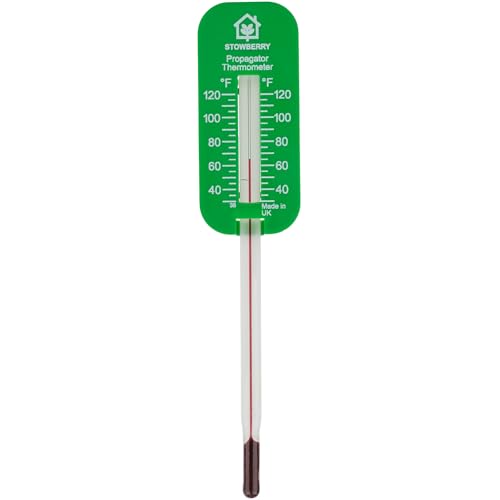
ACCURATE SOIL TEMPERATURE READINGS – Ensure the perfect growing environment for seeds and plants with this greenhouse soil thermometer, designed to give reliable and precise temperature measurements.
Timeframe for Germination
Lettuce seeds typically germinate within 7 to 14 days. Various factors can affect the germination speed. Warm soil temperatures, around 65°F to 70°F (18°C to 21°C), usually promote quicker sprouting. For example, you’ll see fast germination in spring when conditions are ideal compared to cooler fall days.
Factors Influencing Germination
Several elements influence how effectively your lettuce seeds germinate:
- Soil Temperature: Warm soil encourages faster germination. Aim for 65°F to 70°F for optimal results.
- Moisture Levels: Keep the soil consistently moist but not soggy. Insufficient moisture can delay germination.
- Seed Variety: Different lettuce types germinate at different rates. For instance, Butterhead lettuce may sprout slightly slower than Leaf lettuce.
- Soil Quality: Well-aerated, fertile soil promotes healthy seed spawn. Use quality potting mix or garden soil to support germination.
By considering these factors, you enhance your chances of achieving a successful lettuce crop.
Growth Phases of Lettuce
Understanding the growth phases of lettuce helps you anticipate the harvest time. Lettuce progresses through distinct stages, each crucial for successful cultivation.
Seedling Stage Duration
The seedling stage lasts about 2 to 3 weeks. After germination, seedlings develop their first true leaves during this time. Provide adequate light—12 to 16 hours per day—to prevent leggy growth. Soil should remain moist but not soggy, as this encourages healthy root development.
Maturity Period
The maturity period varies by lettuce type. Most varieties mature between 45 and 85 days from sowing. For example, Leaf lettuce matures within 45 to 60 days, while Butterhead takes around 60 to 75 days. Monitor your plants regularly; they signal readiness through increased leaf size and vibrant color. Harvest when heads form but before bolting occurs, ensuring the best taste and texture.
Environmental Influences on Growth
Environmental factors significantly shape lettuce growth. Recognizing these influences helps you optimize your gardening experience for a bountiful harvest.
Recommended Products

6000K White Light - equipped with 10 Red + 74 White LEDs, this growing Lamp is similar to the full-spectrum sunlight at noon,that is professionally designed for indoor garden plants.Moreover, its color rendering index is as high as 95, the light is soft and flicker-free, which is very suitable for reading lamp

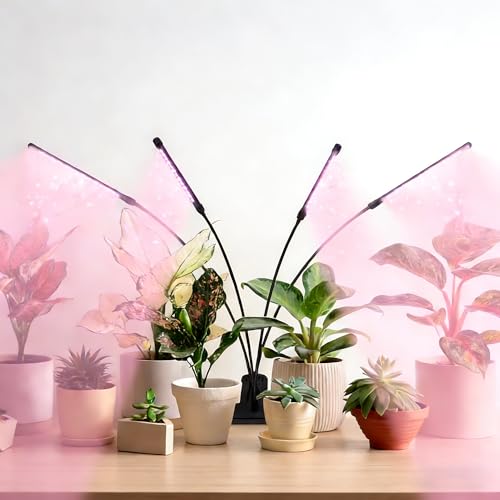
Full Spectrum LED Technology: Equipped with 80 red and blue LED beads across 4 heads, delivering full-spectrum illumination that simulates natural midday sunlight, covering the entire 460-660nm visible spectrum essential for plant photosynthesis. Enhanced 660nm red light promotes flowering, fruiting, and extended bloom periods, while blue light boosts chlorophyll synthesis to support robust vegetative growth
Temperature Effects
Temperature plays a crucial role in lettuce cultivation. Ideal temperatures for growing lettuce range from 60°F to 70°F. When temperatures exceed 75°F, lettuce can bolt, or go to seed, resulting in a bitter taste and reduced quality. For example, if you plant lettuce in hot summer months, consider providing shade during peak sun hours. Additionally, in cooler climates, starting seeds indoors or using a greenhouse can extend the growing season.
Light Requirements
Light requirements impact lettuce growth and development. Lettuce thrives with 12 to 16 hours of light each day. Insufficient light leads to leggy plants that struggle to produce healthy leaves. When growing indoors, consider using grow lights to mimic this natural sunlight. Outdoors, planting your lettuce in a location with morning sun ensures adequate light while protecting it from intense afternoon heat, promoting vigorous growth and flavor.
Harvesting Lettuce
Harvesting lettuce marks the exciting culmination of your growing efforts. Identifying the right time to pick your lettuce ensures the best flavor and texture.
Recommended Products

K115 Crop Harvest Knife, 7.25-Inch Blade, is designed for trimming lettuce, greens, and soft-stemmed vegetables.
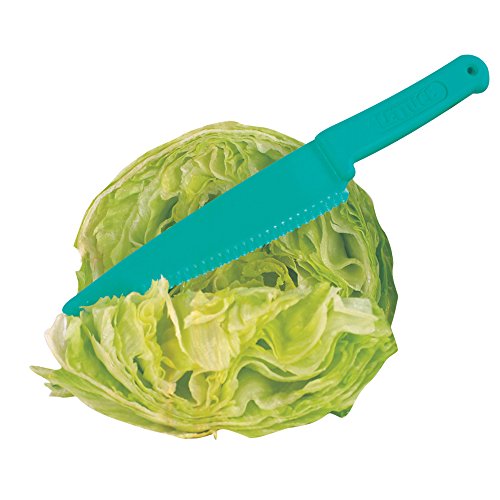
DURABLE DESIGN: Constructed from long-lasting and heat-resistant polystyrene plastic.

PREVENTS LETTUCE & SALAD BROWNING: Durable polystyrene plastic blade cuts cleanly through delicate greens, romaine, and cabbage without oxidizing cut edges, keeping tossed salads fresher and crisper longer.
Signs of Readiness
Look for specific indicators that your lettuce is ready for harvest. First, examine leaf size. Mature varieties typically feature larger leaves. Pay attention to color as well; vibrant green or red leaves denote readiness. Additionally, check the plant’s height; most lettuce types will reach between 6 to 12 inches tall. Also, be alert for any signs of bolting, where the plant sends up a flower stalk. Once you notice these signs, it’s time to act!
Optimal Harvest Timing
Timing your harvest optimally ensures the best quality. For leaf lettuce, harvest when leaves reach 6 to 8 inches, typically around 45 to 60 days after sowing. For Butterhead and Romaine, wait until they form tight heads, which can take 60 to 75 days. Ideally, perform harvests in the morning when temperatures are cooler, as this preserves crispness. Avoid waiting too long, as overripe lettuce can become bitter or woody. Consider using a sharp knife or scissors for a clean cut, promoting regrowth if you harvest selectively.
Conclusion
Growing lettuce can be a rewarding experience that brings fresh flavors to your table. By understanding the growth timeline and the factors that influence it, you can set yourself up for success.
Whether you’re aiming for a quick crop of Leaf lettuce or patiently waiting for Butterhead to mature, keeping an eye on conditions like temperature and light will make all the difference.
With a little care and attention, you’ll be enjoying your homegrown lettuce in no time. Happy gardening!
Frequently Asked Questions
How long does it take for lettuce to grow from seed to harvest?
Lettuce typically takes between 45 to 85 days to mature, depending on the variety. For example, Leaf lettuce usually reaches maturity in 45 to 60 days, while Butterhead takes around 60 to 75 days.
What factors affect the growth of lettuce?
Lettuce growth is influenced by several factors, including the type of lettuce being grown, soil temperature, moisture levels, quality of soil, and the amount of sunlight the plants receive.
What are the ideal growing conditions for lettuce?
Lettuce grows best in temperatures between 60°F to 70°F, with 12 to 16 hours of sunlight daily. Additionally, well-drained, nutrient-rich soil and consistent moisture are essential for healthy growth.
How long does it take for lettuce seeds to germinate?
Lettuce seeds typically germinate within 7 to 14 days, depending largely on soil temperature and moisture levels. Warmer soil (around 65°F to 70°F) can speed up the germination process.
When should I harvest lettuce?
Lettuce should be harvested when it reaches the appropriate size and shows signs of maturity. For Leaf lettuce, harvest when leaves are 6 to 8 inches tall, while Butterhead or Romaine should be harvested when they form tight heads.
Why is it important to monitor lettuce growth?
Monitoring lettuce growth helps gardeners determine the right time for harvest and avoid issues like bolting. Observing leaf size and color can ensure the best flavor and texture in your harvest.
Can lettuce be grown indoors?
Yes, lettuce can be successfully grown indoors, especially using grow lights to provide the required 12 to 16 hours of light per day. This approach is particularly beneficial in cooler climates or during winter months.
