

Are you wondering how deep to plant your lettuce? You’re not alone. Many gardeners face this common question, and getting it right can make all the difference in your harvest.
Key Takeaways
- Proper planting depth for lettuce is crucial, with a general recommendation of ¼ to ½ inch, depending on the variety.
- Smaller seeds like leaf lettuce should be planted shallower (¼ inch), while larger seeds like romaine benefit from deeper planting (½ inch) for strong root development.
- Soil type, climate conditions, and lettuce variety influence the ideal planting depth, highlighting the need for tailored planting strategies.
- Ensure well-draining, nutrient-rich soil with a pH level between 6.0 and 7.0 by incorporating organic matter and regularly testing pH.
- Two primary planting techniques are available: direct seeding and transplanting seedlings, each offering advantages based on climate and gardening preferences.
Understanding Lettuce Planting Depth
Planting depth significantly affects the growth and yield of your lettuce plants. Knowing how deep to plant them can lead to a robust harvest.
Importance of Planting Depth
Proper planting depth allows roots to develop effectively. If you plant too deep, seedlings may struggle to break through the soil. If planted too shallow, they might lack stability and nutrients. A depth of ¼ to ½ inch is generally recommended for lettuce seeds. This depth ensures that seeds receive adequate moisture and light, promoting quick germination.
Factors Influencing Depth
Several factors influence the appropriate planting depth for lettuce:
- Seed Size: Smaller seeds require shallower planting. Larger seeds can go deeper.
- Soil Type: Loose, well-draining soil allows for a shallower depth. Denser soil may need a slightly deeper planting to ensure adequate moisture.
- Climate Conditions: In cooler climates, shallower planting can warm the soil faster. In warmer regions, deeper planting can protect seeds from heat stress.
- Lettuce Variety: Different varieties of lettuce have distinct needs. For instance, romaine may thrive better at a slightly deeper depth compared to leaf lettuce.
By considering these factors, you can optimize your planting strategy for a healthy lettuce garden.
Recommended Depth for Different Varieties
Understanding the recommended planting depth for various lettuce types helps you cultivate a thriving garden. Each variety has specific needs, ensuring optimal growth and yield.
Recommended Products

VERSATILE SEED STARTING: Ideal for germinating seeds in flats, pots, and plug trays. This seed starter mix supports healthy root development for vegetables, herbs, and flowers.

Miracle-Gro Indoor Potting Mix for Seed Starting grows stronger roots for seeding success (vs unfed when used as directed)

Includes Back to the Roots Compressed Seed Starting Potting Mix that expands to 12qt of soil. A balanced pH, which means it’s truly all-purpose. Use alone or as an amendment for anything in a pot or in the ground — vegetables, flowers, herbs, and even starting seeds.
Leaf Lettuce
Plant leaf lettuce seeds about ¼ inch deep. This depth promotes quick germination and robust growth. Leaf lettuce tends to grow rapidly and doesn’t require as much support from the soil. Checking soil moisture regularly aids in retaining the right balance for seedlings.
Romaine Lettuce
Romaine lettuce seeds benefit from a depth of ½ inch. This added depth helps develop stronger roots. Protecting seedlings from wind and heavy rain ensures stability. Maintaining consistent watering supports healthy growth throughout the germination phase.
Butterhead Lettuce
For butterhead lettuce, plant seeds at a depth of ¼ to ½ inch. This range allows flexibility while providing adequate support for delicate varieties. Monitoring soil conditions helps you adjust watering practices to meet the plant’s needs. Keeping the area free from competing weeds promotes a healthier environment for growth.
Preparing the Soil for Lettuce
Preparing the soil properly ensures healthy growth for your lettuce plants. Focus on soil composition and pH levels to create an optimal environment for planting.
Recommended Products

Quick, at home results for Soil pH, Nitrogen, Phosphorous and Potash Innovative and inexpensive soil test kit features an easy-to-use capsule system and patented color comparators

KNOW BEFORE YOU GROW | Grow the healthiest, sustainable lawn and garden with the most accurate and easy to use professional soil test kit on the market

Kindly NOTE: This soil tester can not be applied to test pH value of any other liquid. If the soil is too dry the indicator will not move, and water it before testing.
Soil Composition
Choose a well-draining soil rich in organic matter. Ideal soil types include loamy or sandy soils that promote air circulation and moisture retention. Incorporate compost or well-rotted manure to boost nutrient content. Strive for a mixture that maintains moisture while providing essential nutrients, enabling strong growth and development.
pH Levels
Monitor the soil pH to ensure an ideal range for lettuce. Aim for a pH level between 6.0 and 7.0. Use a soil test kit to determine the current pH. If the level is too low, add lime to raise it. If it’s too high, incorporate sulfur to lower it. Maintaining the right pH promotes nutrient availability and enhances lettuce health, leading to a vibrant garden.
Planting Techniques for Lettuce
When it comes to planting lettuce, choosing the right technique matters. You have two primary options: direct seeding and transplanting seedlings.
Recommended Products

EASIER SEED STARTING: Our Burpee SuperSeed tray with 36 flexible pop-out cells is designed to simplify indoor seed starting for all your favorite vegetables, flowers and herbs. Just add seed starting mix, seeds, water and light to get growing! Rows are labeled alphanumerically for seedling identification with included Plant-o-Gram diagram. Tray dimensions: 11.5" x 10-3/8" x 2-1/4"
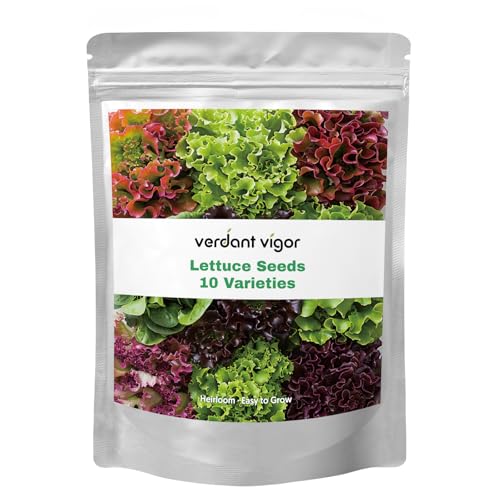
Healthy Food Source: Because of its tender flavor, lettuce is a popular vegetable for salad, sandwiches, wraps, soups, stir-fries and juice. There are over 20,000 seeds, 10 kinds of lettuce collection, including bibb, boston, iceberg, buttercrunch, grand rapids TBR, oakleaf, ruby leaf, cimmaron romaine and waldmann's

EASIER SEED STARTING: Our Burpee SuperSeed tray with 8 extra-large flexible pop-out cells is designed to simplify indoor seed starting. Just add seed starting mix, seeds, water and light to get growing! Perfectly sized for starting seeds in the windowsill: 11.5" x 5-3/16" x 2-1/4". Rows are labeled alphanumerically for seedling identification with included Plant-o-Gram diagram.
Direct Seeding
Direct seeding involves planting lettuce seeds straight into the garden bed. For this method, follow these steps:
- Prepare the Soil: Ensure your soil is loose, well-draining, and rich in organic matter. Aim for a pH between 6.0 and 7.0.
- Plant the Seeds: Sow lettuce seeds at a depth of ¼ inch for leaf varieties or ½ inch for romaine. Space seeds about 1 to 2 inches apart to allow for growth.
- Water Gently: After planting, water the area lightly to avoid displacing seeds. Keep the soil consistently moist, but not soggy.
You can expect germination in 7 to 14 days, depending on the variety and climate. Monitor the moisture levels during this period to promote healthy sprouting.
Transplanting Seedlings
Transplanting seedlings can provide a head start in cooler climates. Here’s how to do it:
- Start Indoors: Begin lettuce seeds indoors 4 to 6 weeks before the last frost. Use seed trays filled with seed-starting mix, planting seeds at the recommended depth.
- Harden Off: About a week before transplanting, harden off seedlings by gradually exposing them to outdoor conditions. Start with a few hours each day, increasing exposure time gradually.
- Transplant Timing: Choose a cloudy day or late afternoon for transplanting to reduce stress on seedlings. Space lettuce plants 6 to 12 inches apart, depending on the variety.
- Plant at the Right Depth: Transplant seedlings at the same depth they were growing in their containers. Ensure the root ball is covered without burying the crown.
Once transplanted, provide consistent moisture to help seedlings establish. Keep an eye on their growth and adjust watering as needed.
By following these techniques, you can optimize your lettuce planting strategy for a successful harvest.
Conclusion
Getting the planting depth right is essential for growing healthy lettuce. By following the recommended depths for different varieties you can set your plants up for success. Remember to keep an eye on soil moisture and prepare your soil to create a thriving environment.
Whether you choose to direct seed or transplant seedlings make sure you’re mindful of their specific needs. With a little care and attention your lettuce garden will flourish and provide you with a delicious harvest. Enjoy the process and happy gardening!
Frequently Asked Questions
What is the recommended planting depth for lettuce seeds?
The ideal planting depth for lettuce seeds varies by type. For leaf lettuce, plant seeds ¼ inch deep. Romaine lettuce should be planted at ½ inch depth, while Butterhead can be sown at ¼ to ½ inch. This depth helps with moisture retention and encourages quick germination.
How does planting depth affect lettuce growth?
Planting depth is crucial for lettuce growth. If seeds are planted too deep, seedlings may struggle to break through the soil. Conversely, planting too shallow can compromise the plant’s stability and nutrient access, leading to poor growth.
What soil conditions are best for planting lettuce?
Lettuce thrives in well-draining soil rich in organic matter. Loamy or sandy soils are preferable as they promote good air circulation and moisture retention. Incorporating compost or well-rotted manure is recommended to enhance nutrient content.
How can I adjust soil pH for growing lettuce?
Ideal soil pH for lettuce ranges from 6.0 to 7.0. To adjust pH, you can add lime to raise the pH or sulfur to lower it. Monitoring soil pH is essential for optimal nutrient availability and healthy lettuce growth.
What are the two main planting techniques for lettuce?
The two main techniques for planting lettuce are direct seeding and transplanting seedlings. Direct seeding involves planting seeds directly in the garden soil, while transplanting involves starting seeds indoors and transferring established seedlings outdoors after hardening off.
