

Have you ever wondered when the perfect moment is to transplant your lettuce seedlings? It’s a common challenge for gardeners, and timing can make all the difference between a thriving crop and a disappointing one.
Key Takeaways
- Lettuce Seedling Growth Stages: Recognize the key stages of germination, seedling development, and transplanting stage to determine readiness for moving seedlings outdoors.
- Visual Indicators: Look for seedlings that are 3-4 inches tall, have multiple true leaves, vibrant green color, well-developed roots, and sturdy stems to ensure they are ready for transplanting.
- Temperature and Light: Maintain optimal temperatures between 60°F and 70°F and provide 12-16 hours of light daily to promote healthy growth and prevent slow development or bolting.
- Root System Health: Healthy roots should be white and dense—roots extending from the drainage holes indicate readiness for transplanting, while unhealthy roots require more time before transferring.
- Best Practices for Transplanting: Prepare the garden bed with quality soil, moisture, and adequate spacing to reduce transplant shock and encourage robust growth after relocation.
- Timing Matters: Transplant seedlings during the late afternoon or on a cloudy day to minimize stress from direct sunlight, ensuring a smoother transition to their new environment.
Understanding Lettuce Seedlings
Lettuce seedlings go through distinct growth stages before they’re ready to transplant. Recognizing these stages is crucial for optimal plant health.
Growth Stages of Lettuce
Lettuce seedlings progress through several phases:
- Germination: This stage occurs 7 to 14 days after sowing. Seeds absorb moisture, swell, and sprout tiny roots.
- Seedling Stage: Lasting 2 to 3 weeks, seedlings develop their first true leaves. These leaves differ from the initial seed leaves and indicate healthy growth.
- Transplanting Stage: When seedlings reach 3 to 4 inches tall and have at least two sets of true leaves, they’re ready for transplanting.
Monitoring these stages helps ensure seedlings are robust enough for outdoor conditions.
Visual Indicators
Several visual indicators signal that your lettuce seedlings are ready to transplant:
- Leaf Size: Look for seedlings that are 3 to 4 inches tall with multiple true leaves.
- Color: Healthy seedlings display a vibrant green color. Pale or yellowing leaves indicate nutrient deficiencies.
- Root Development: Check if roots are beginning to grow out of the drainage holes in the seedling tray. This shows that they’re ready for more space.
- Sturdiness: Seedlings should feel firm and upright, not floppy or leggy. Weak stems suggest insufficient light or overcrowding.
By assessing these visual cues, you can confidently determine if your lettuce seedlings are prepared to thrive in new soil.
Factors Affecting Transplanting Timing
Several factors influence the timing when lettuce seedlings are ready for transplanting. Understanding these elements helps you ensure a successful transition to the garden.
Recommended Products

6000K White Light - equipped with 10 Red + 74 White LEDs, this growing Lamp is similar to the full-spectrum sunlight at noon,that is professionally designed for indoor garden plants.Moreover, its color rendering index is as high as 95, the light is soft and flicker-free, which is very suitable for reading lamp
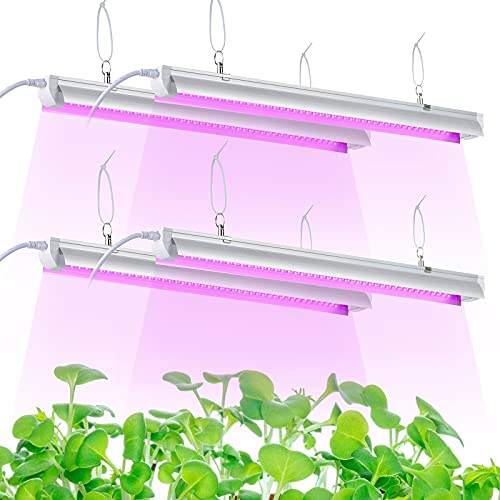
Full Spectrum - LED grow lights 2ft provide indoor plants with full-spectrum sunlight replacement. It provides the most reasonable grow light wave based on the ratio of the absorption of the plants

5000K White Full Spectrum Light: Barrina T5 grow lights 1ft provide indoor plants with full-spectrum sunlight replacement. We provide the most reasonable grow light wave based on the ratio of the absorption of the plant
Temperature Considerations
Temperature plays a crucial role in seedling development. Lettuce grows best in temperatures between 60°F and 70°F. At this range, seedlings develop strong roots and leaves.
If temperatures drop below 50°F, seedlings grow slowly. Meanwhile, if temperatures exceed 75°F, seedlings may bolt, leading to premature flowering. Before transplanting, check soil and air temperatures to make sure they remain within the optimal range.
Light Requirements
Light significantly impacts lettuce seedlings. They require around 12 to 16 hours of light daily for healthy growth. Insufficient light can cause weak, leggy seedlings that struggle to thrive after transplanting.
Using grow lights can help provide adequate lighting if natural sunlight is limited. Position the lights about 6 to 12 inches above the seedlings and adjust as they grow. Ensure seedlings receive consistent exposure to light while avoiding scorching.
Signs That Lettuce Seedlings Are Ready to Transplant
Determining when to transplant lettuce seedlings is crucial for your garden’s success. Look for these signs to know if your seedlings are ready for their new home.
Recommended Products

EASIER SEED STARTING: Our Burpee SuperSeed tray with 36 flexible pop-out cells is designed to simplify indoor seed starting for all your favorite vegetables, flowers and herbs. Just add seed starting mix, seeds, water and light to get growing! Rows are labeled alphanumerically for seedling identification with included Plant-o-Gram diagram. Tray dimensions: 11.5" x 10-3/8" x 2-1/4"

Monitor Your Plants Easily: The high-quality, clear plastic of these cell trays lets you observe your plants without disturbing their root growth.

【Trays with Pots Size】Plant Growing Trays no Drain Holes Size: 16.2 inches x 13.26 inches x 2.6 inches,no holes. Square Pots Size:3.54 inches top size, height 3.94 inches. Our Seed Starter Tray comes with a non-porous design that's perfect for use with 3.5 inch square pots, not only preventing water leakage, but also retaining nutrients for the plants.
Leaf Development
Inspect the leaves of your seedlings. Healthy seedlings typically show at least two to four true leaves. True leaves are the second set of leaves that develop after the initial seed leaves. They should appear lush and have a vibrant green color. If your seedlings possess this leaf development, they’re likely ready to move to larger containers or the garden. Keep an eye out for any signs of yellowing or wilting; these may indicate stress and suggest that your seedlings aren’t ready just yet.
Root System Health
Examine the root system of your seedlings. Healthy roots should be white, firm, and well-developed, filling the seedling tray. Use a gentle touch to lift a few seedlings and check their roots. If roots extend out of the drainage holes and appear dense, the seedlings are ready to transplant. Roots that are brown, mushy, or appear tangled indicate poor health, signaling a need for more time before transplanting. This attention to root development ensures your seedlings thrive in their new environment.
Best Practices for Transplanting Lettuce
Transplanting lettuce seedlings requires attention to detail and optimal timing. Following best practices ensures your seedlings adjust well to their new environment.
Preparing the Garden Bed
- Select the Right Location: Choose a sunny spot that receives at least 6 hours of direct sunlight daily. Well-drained soil promotes healthy growth.
- Soil Quality: Enrich the soil with organic matter, like compost. Aim for a pH level between 6.0 and 6.8 for ideal conditions.
- Moisture Level: Water the garden bed a day before transplanting. Moist soil helps reduce transplant shock and ensures roots settle easily.
- Layout Planning: Space your planting rows about 12 to 18 inches apart. Ensure each seedling has enough room to grow without competition.
- Timing: Transplant seedlings late afternoon or on a cloudy day to reduce stress from direct sunlight.
- Seedling Removal: Carefully lift each seedling from the tray without damaging the roots. Use a fork or your fingers to ease them out gently.
- Planting Depth: Dig a hole that’s deep enough for the entire root system, usually around 2 to 3 inches. Ensure the crown of the seedling is level with the soil surface.
- Spacing: Position seedlings 10 to 12 inches apart if they’re head types. For leafy varieties, reduce spacing to about 6 to 8 inches.
- Watering: After planting, water each seedling thoroughly, ensuring the soil settles around the roots. This step aids in eliminating air pockets.
By adhering to these practices, you create a supportive environment for your lettuce seedlings to flourish.
Conclusion
Getting your lettuce seedlings ready for transplanting is all about timing and observation. By keeping an eye on leaf development and root health you can ensure your seedlings are strong enough to thrive in their new home. Remember to consider the temperature and light conditions as they play a crucial role in your seedlings’ growth.
When you spot those vibrant true leaves and a healthy root system it’s time to make your move. Following the best practices for transplanting will help your lettuce flourish in the garden. With a little patience and attention you’ll be on your way to enjoying a bountiful harvest of fresh lettuce. Happy gardening!
Frequently Asked Questions
When is the best time to transplant lettuce seedlings?
Transplant lettuce seedlings when they have 2 to 4 true leaves and the temperature is between 60°F and 70°F. Early morning or late afternoon is ideal to reduce stress on the plants.
What should I look for to know if my seedlings are ready to transplant?
Look for seedlings with vibrant green leaves, well-developed white roots filling the tray, and no signs of yellowing or wilting. These indicators show that the seedlings are strong enough for transplanting.
How does temperature affect lettuce growth?
Lettuce grows best between 60°F and 70°F. Temperatures below 50°F slow growth, while above 75°F can lead to premature bolting, negatively impacting the crop.
How much light do lettuce seedlings need?
Lettuce seedlings require 12 to 16 hours of light daily for healthy growth. Insufficient light can result in weak seedlings.
What soil conditions are best for transplanting lettuce?
Choose well-drained soil enriched with organic matter for transplanting lettuce. This improves moisture retention and provides essential nutrients for healthy growth.
What are the best practices for transplanting lettuce seedlings?
Transplant in late afternoon or on cloudy days, ensure proper spacing, and water thoroughly after planting. Focus on careful seedling removal to minimize stress.
