

Have you ever wondered what romaine lettuce seedlings look like? If you’re starting a garden or just curious about growing your own greens, knowing how these little plants appear can make all the difference.
Imagine planting those tiny seeds and eagerly waiting for them to sprout. You want to make sure you’re nurturing the right seedlings, and recognizing them early can help you avoid any mix-ups. This article will guide you through the characteristics of romaine lettuce seedlings, from their distinct leaf shapes to their vibrant colors. You’ll feel more confident in your gardening journey, ensuring your romaine grows strong and healthy.
Key Takeaways
- Identification of Seedlings: Romaine lettuce seedlings have vibrant green leaves, beginning with pale green cotyledons that mature to darker hues as true leaves develop.
- Leaf Structure: The distinct leaf structure transitions from small, rounded cotyledons to elongated, crisp true leaves that form a rosette, indicating healthy growth.
- Growth Stages: Understanding the germination and young seedling phases (7 to 4 weeks post-planting) helps monitor your plants’ development and care requirements.
- Light and Soil Needs: Optimal growth requires 12 to 16 hours of light daily and well-draining, nutrient-rich soil with a pH of 6.0 to 7.0 to prevent issues like root rot.
- Common Issues: Be vigilant for pests such as aphids and signs of nutrient deficiencies like yellowing leaves, which can indicate issues that need early intervention.
- Regular Care: Consistent monitoring of light, soil moisture, and nutrient levels, along with regular fertilization, is crucial for the successful growth of romaine lettuce seedlings.
Characteristics of Romaine Lettuce Seedlings
Romaine lettuce seedlings possess distinct characteristics that make them easy to identify. Recognizing these features ensures proper care and encourages robust growth.
Color and Texture
Romaine lettuce seedlings exhibit vibrant green leaves. The initial cotyledons are typically pale green, transitioning to darker green as the true leaves develop. The texture of the leaves is smooth yet firm, giving them a healthy appearance. If you notice any yellowing, this could indicate issues like overwatering or nutrient deficiencies. Keep an eye on the seedlings’ texture and color for signs of good health.
Leaf Structure
Romaine lettuce seedlings have unique leaf structures. The first leaves, called cotyledons, are small and rounded. As the seedlings mature, you’ll see elongated leaves that form a rosette pattern. These true leaves are characterized by their crisp edges and slight ridges. The leaves grow upright, creating a sturdy foundation for the plant. This structure supports optimal air circulation and light exposure, essential for healthy growth.
Growth Stages of Romaine Lettuce Seedlings
Romaine lettuce seedlings go through distinct growth stages, each exhibiting unique characteristics. Understanding these stages helps in recognizing how your plants develop and what to expect as they grow.
Recommended Products

4 Popular Heirloom Lettuce Varieties: Includes Red Romaine, Bibb Butterhead, Black Seeded Simpson, and Green Ice lettuce seeds to grow crisp, tender, and colorful salad greens with balanced flavor, texture, and visual appeal.

We grow a variety of edible seasonal seedlings (aka plugs/starts/transplants) that will flourish in your soil or hydroponic garden.

The Best Value - Organo Republic Lettuce Romaine Seeds Pack contains 3 g or 2,600 Non-GMO heirloom lettuce seeds. Romaine Lettuce (Lactuca sativa longifolia) is known for its deeply lobed leaves and tender texture, making it the perfect addition to fresh vegetable salads or culinary creations.
Germination Phase
During the germination phase, romaine lettuce seeds sprout and begin to emerge from the soil. This stage spans about 7 to 14 days after planting. Seeds absorb moisture, swell, and break through the surface. You’ll notice tiny, pale green cotyledons in this stage. These first leaves are oval-shaped and may curl slightly at the edges. Healthy seedlings emerge with a firm, upright posture, indicating strong growth.
Young Seedling Phase
In the young seedling phase, which occurs around 2 to 4 weeks after germination, romaine lettuce seedlings develop true leaves. The cotyledons remain visible, but the true leaves start to show a broader, elongated shape. The color deepens to a vibrant green, often with slight ridges along the edges. Leaves will appear crisp yet tender. Pay attention to spacing; seedlings require adequate room for airflow and light exposure, promoting healthy development. Regular, gentle watering supports growth without causing sogginess.
Environmental Factors Influencing Appearance
Romaine lettuce seedlings’ appearance significantly depends on environmental factors that affect their growth. Understanding these factors helps you nurture healthy seedlings.
Recommended Products

🌻Efficient LED Combination: This LED lamp has grow lights made up of 80 efficient growing LEDs ( 32 red lights, 12 blue lights,20 yellow lights and 16 white lights). It meets the conditions of plant growth without sunlight. 1--Full Spectrum(380nm-800nm): Suitable for all plants to root and sprout. 2--Red(660nm)+BLUE(460nm) Spectrum: for blooming and fruits. 3--Red+Blue+Full Spectrum: A mix of Red+Blue+Warm White is best to fuel the growth of your plants.

Efficient LED Combination: Leoter LED lamp has grow lights made up of 96 efficient growing LEDs (10 red, 78white and 8 warm yellow). It meets the conditions of plant growth without sunlight. (1)--Full Spectrum Red +White+Yellow (2)--Red+White. (3)--Red+Warm Yellow ,all of these 3 options are suitable for all plants to root and sprout and best to fuel the growth of your plants.
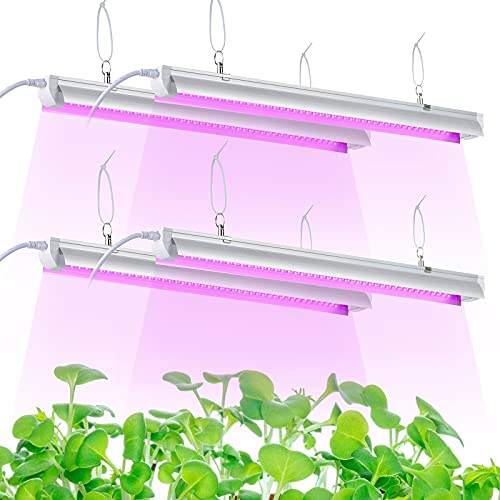
Full Spectrum - LED grow lights 2ft provide indoor plants with full-spectrum sunlight replacement. It provides the most reasonable grow light wave based on the ratio of the absorption of the plants
Light Requirements
Light plays a crucial role in the growth of romaine lettuce seedlings. They require about 12 to 16 hours of light daily for optimal development. Insufficient light leads to tall, leggy seedlings with pale leaves, while ample light encourages compact, vibrant growth. Use full-spectrum grow lights if natural sunlight is limited. Position the lights 6 to 12 inches above the seedlings, adjusting as they grow. Monitor seedlings for signs of light stress, such as curling leaves.
Soil Conditions
Soil conditions also impact the health and appearance of romaine lettuce seedlings. A well-draining, nutrient-rich soil is essential for robust growth. Aim for a pH level between 6.0 and 7.0. Using a mix of organic matter and potting soil improves soil texture and nutrient availability. Excellent drainage prevents waterlogging, which may cause root rot and yellowing leaves. Test the moisture level regularly; soil should be moist but not soggy. Fertilize with a balanced, water-soluble fertilizer every 2 to 4 weeks to promote healthy seedlings.
Common Issues and Troubleshooting
As you nurture your romaine lettuce seedlings, various issues may arise. Recognizing the signs early helps maintain healthy growth.
Recommended Products
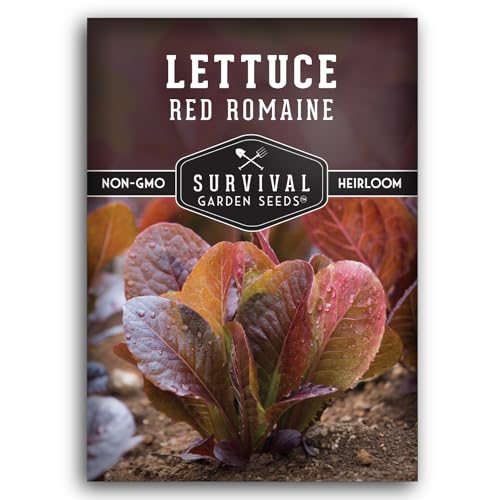
RED ROMAINE SEEDS FOR PLANTING – Striking lettuce has burgundy-to-ruby red leaves with crisp green hearts create a bold contrast in the garden and add vibrant color and flavor to Caesar salad and other dishes

Red Romaine: Features vibrant red-tinged leaves with green bases, offering a mild, slightly sweet flavor and crisp texture ideal for salads and garnishes.

Pest and Disease Signs
Pests can harm romaine lettuce seedlings, so vigilance is key. Common pests include aphids, which appear as small green or black insects on your seedlings. If you notice distorted growth, yellowing leaves, or sticky residue on leaves, aphids may be present.
Fungal diseases like downy mildew often appear as white or gray patches on leaves. If you see these patches, check humidity levels since overly damp conditions encourage growth. Treat infestations promptly with insecticidal soap or neem oil, applying according to package instructions. Human intervention reduces pest populations effectively.
Nutrient Deficiencies
Nutrient deficiencies can hinder the development of healthy seedlings. Yellowing leaves indicate nitrogen deficiency. If only the older leaves are affected, it’s likely a nitrogen issue. Supplement your soil with a nitrogen-rich fertilizer to encourage lush growth.
For phosphorus deficiency, look for dark green leaves with purple veins. A balanced fertilizer can restore necessary nutrients. If leaf tips turn brown or crunchy, potassium deficiency might be the culprit. Regularly check your soil’s nutrient levels and adjust your fertilization regimen every 2 to 4 weeks to ensure seedlings receive adequate care.
Conclusion
Recognizing romaine lettuce seedlings is key to nurturing your garden successfully. Their vibrant green leaves and unique shapes make them stand out as they grow. By keeping an eye on their health and addressing any issues early on, you can enjoy a bountiful harvest.
Remember to provide the right amount of light and moisture to support their growth. With a little care and attention, you’ll be well on your way to cultivating healthy romaine lettuce. Happy gardening and enjoy watching your seedlings thrive!
Frequently Asked Questions
What do romaine lettuce seedlings look like?
Romaine lettuce seedlings feature vibrant green leaves. Initially, the cotyledons are pale green and round. As true leaves emerge, they become elongated, crisp, and display a rosette pattern with smooth but firm textures. Healthy seedlings are characterized by deep green colors, while yellowing may indicate overwatering or nutrient deficiencies.
How long does it take for romaine lettuce seeds to germinate?
Romaine lettuce seeds typically germinate within 7 to 14 days after planting. During this period, seeds absorb moisture and sprout, revealing tiny, pale green cotyledons. The germination phase is crucial for starting healthy seedlings.
What environmental conditions do romaine lettuce seedlings need?
Romaine lettuce seedlings thrive in well-draining, nutrient-rich soil with a pH level between 6.0 and 7.0. They require around 12 to 16 hours of light daily for optimal development. Ensure proper watering and airflow to promote healthy growth.
How can I identify and treat pests on romaine lettuce seedlings?
Common pests, like aphids, can cause yellowing leaves and distorted growth. To manage infestations, treat the plants with insecticidal soap or neem oil. Early detection is vital for maintaining healthy romaine lettuce seedlings.
What are the signs of nutrient deficiencies in romaine lettuce seedlings?
Signs of nutrient deficiencies include yellowing leaves, which may indicate nitrogen deficiency, or dark green leaves with purple veins, suggesting phosphorus deficiency. Regularly check soil nutrient levels and fertilize every 2 to 4 weeks for optimal growth.
