

Ever wondered how long it takes for those tiny cucumber seeds you planted to burst through the soil? Picture this: you’ve carefully sown the seeds in your garden, eagerly waiting for signs of life. But how patient do you need to be before those green sprouts make their grand entrance into the world?
You’re not alone in this anticipation. Many gardeners, both seasoned and new, eagerly await the magical moment when their cucumber seeds finally sprout. In this article, we’ll delve into the fascinating journey from seed to sprout, guiding you on the timeline of growth and what to expect along the way.
Get ready to unlock the secrets of nature as we explore the timeline of cucumber seed sprouting. By the end of this article, you’ll have a clearer understanding of the process and be equipped with the knowledge to nurture your cucumber seeds to successful sprouting.
Understanding Cucumber Seeds
When it comes to cucumber seeds, knowing their characteristics can help you understand the germination process better. Here are some key points to keep in mind:
- Varieties: Cucumber seeds come in various types, from standard slicing cucumbers to pickling varieties and specialty heirlooms. Each type has its unique traits that influence the sprouting timeline.
- Optimal Conditions: Cucumber seeds thrive in warm, moist soil. Ensuring the right temperature and moisture levels can significantly impact how quickly they sprout.
- Germination Time: On average, cucumber seeds take 7 to 14 days to sprout under ideal conditions. However, factors like temperature and seed quality can affect this timeline.
- Seed Viability: Fresh cucumber seeds have a higher germination rate compared to older seeds. Proper storage in a cool, dry place can help maintain seed viability.
- Depth of Planting: Plant cucumber seeds at a depth of around 1 inch in the soil. Deeper planting may delay sprouting, while shallow planting could expose seeds to drying out.
- Seedling Care: Once your cucumber seeds sprout, provide adequate light, water, and nutrients for healthy seedling growth. Transplant them carefully into larger containers or the garden when they have developed true leaves.
Understanding these nuances of cucumber seeds can set you up for success in nurturing them from seed to sprout.
Factors Affecting Germination Time
Here are some factors that can influence how quickly your cucumber seeds sprout:
- Temperature: Warmer soil speeds up germination. Aim for an ideal soil temperature between 70-90°F.
- Moisture: Seeds need consistent moisture to germinate. Keep the soil moist but not waterlogged.
- Oxygen: Good soil aeration is crucial for seeds to respire and germinate effectively.
- Seed Quality: Using fresh and high-quality seeds increases the chances of quick germination.
- Light: While cucumber seeds don’t need light to sprout, a lack of light can lead to leggy seedlings.
Recommended Products

PRECISE SOIL TEMPERATURE READINGS: Measures soil temperatures from 20 degrees F to 180 degrees F (0 degrees C to 80 degrees C) with a large, easy-to-read analog dial face - no batteries or digital screens needed for reliable results every time

Easy-to-read green, yellow, and red tick marks for easy monitoring
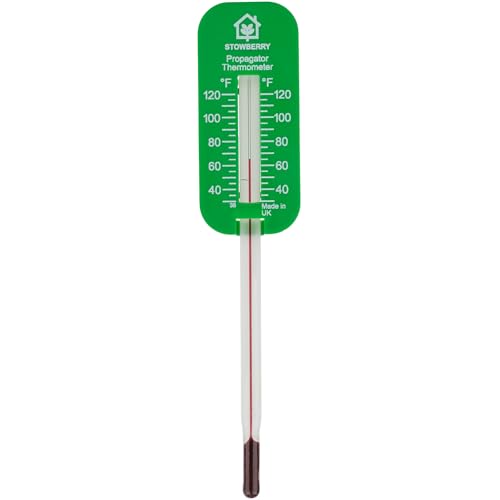
ACCURATE SOIL TEMPERATURE READINGS – Ensure the perfect growing environment for seeds and plants with this greenhouse soil thermometer, designed to give reliable and precise temperature measurements.
Typical Timeline for Cucumber Seed Sprouting
When planting cucumber seeds, you’re probably eager to see those first sprouts peeking through the soil. Here’s a breakdown of the typical timeline for cucumber seed sprouting:
- Day 1-3: After planting the seeds, you might not see much action above ground in the first few days. This is normal as the seeds germinate and start developing roots below the surface.
- Day 4-7: By the end of the first week, you may notice tiny seedlings emerging from the soil. At this stage, they are delicate, so be gentle with watering to avoid dislodging them.
- Day 8-14: As the second week rolls around, your cucumber seedlings should be growing more visibly, with their true leaves starting to unfurl. Keep an eye on moisture levels and provide adequate light for healthy growth.
- Day 15-21: Towards the third week, your cucumber seedlings should be getting stronger and more established. It’s crucial to continue providing proper care in terms of watering, sunlight, and nutrients.
- Day 22 onwards: By this point, your cucumber seedlings should be thriving and well on their way to becoming mature plants. Keep up with regular maintenance to ensure a bountiful cucumber harvest in the weeks to come.
Remember, each seed and growing environment is unique, so the timeline may vary slightly. By monitoring your cucumber seeds closely and following best practices, you can help them sprout and flourish right on schedule.
Recommended Products

EASIER SEED STARTING: Our Burpee SuperSeed tray with 36 flexible pop-out cells is designed to simplify indoor seed starting for all your favorite vegetables, flowers and herbs. Just add seed starting mix, seeds, water and light to get growing! Rows are labeled alphanumerically for seedling identification with included Plant-o-Gram diagram. Tray dimensions: 11.5" x 10-3/8" x 2-1/4"

Upgraded Flexible Cells: Upgraded Silicone Seed Starter Tray with 12 flexible pop-out cells per tray. The soft silicone cells keep seedlings well protected and can be gently bent and popped out when it's time to transplant to your outdoor garden! Our seed starting trays are specifically designed to reduce stress on seedlings, so you won't damage their roots when transplanting

【Value Package】The kit contain 4 pcs base trays, 4 pcs seed trays with 12 cells in each, 4 pcs humidity lids with dome, and 50 pcs peat pellets, not need soil to fill the cells, help you keep clean and tidy when planting, and creates a moist and warm environment needed for seed germination.
Signs of Sprouting and Growth
When you’re eagerly waiting for your cucumber seeds to sprout, keep a close eye out for these key signs of growth:
- Germination: Days 1-3 mark the start of the germination process, with the seeds breaking through the soil.
- Seedling Emergence: Days 4-7 reveal delicate seedlings emerging from the ground, seeking the warmth of the sun.
- Unfurling Leaves: By days 8-14, you’ll notice the beginnings of true leaves unfurling, a sign of healthy growth.
- Strengthening Seedlings: Days 15-21 are crucial as the seedlings strengthen, developing into robust plants.
To ensure successful sprouting and growth, maintain consistent care by providing adequate water, proper light exposure, and nutrient-rich soil. Remember, each seed and environment is unique, so closely monitor and adhere to best practices for optimal results.
Best Practices for Nurturing Cucumber Seedlings
Growing healthy cucumber seedlings requires attention to detail and consistent care. Here are some tips to help you nurture your cucumber plants effectively:
- Proper Watering: Ensure that the soil is consistently moist but not waterlogged. Water the plants at the base to avoid wetting the leaves, which can lead to disease.
- Ideal Light Exposure: Place your seedlings in a location where they receive 6-8 hours of sunlight per day. If growing indoors, consider using grow lights to supplement natural light.
- Nutrient-Rich Soil: Use well-draining soil amended with compost to provide essential nutrients for healthy growth.
- Temperature Control: Cucumber seedlings thrive in temperatures between 70-85°F. Protect them from extreme heat or cold.
- Thinning Seedlings: Once your seedlings develop their first true leaves, thin them out to provide adequate space for growth.
- Support Structures: Cucumber plants are climbing vines and will benefit from trellises or cages to support their growth.
- Pest Management: Keep an eye out for common pests like aphids and cucumber beetles. Consider using organic pest control methods if needed.
By following these best practices, you’ll give your cucumber seedlings the best chance to thrive and produce a bountiful harvest.
Recommended Products

【Grow Strong, Fast and Smart】 The eSuperegrow Smart Hydroponic Gardening System utilizes professional design for strong growth and superior harvest. Double-layer structure with a built-in water pump design for increased water circulation and more oxygen to improve plant growth. Includes customized high-efficiency grow light with 60-degree lens for more concentrated and efficient light—the plants grow faster and better.

【Adjustable Design for All Growing Stages】Free to adjust height and size, suitable for seedlings to mature plants. Ideal raised garden bed with trellis for indoor and outdoor use.

【Multi-Function】 Tall Tomato Cage-Each tomato cage can be adjusted from 16inches to 47 inches in height,suit for different growth stages of plants, offering versatile supports for a wide variety of tomato plants, ensuring they grow tall and strong.
Conclusion
With the right care and attention, your cucumber seeds will soon sprout, paving the way for healthy growth and a bountiful harvest. Remember to maintain proper watering, provide adequate light, nourish the soil, regulate temperature, thin seedlings as needed, offer support, and manage pests. By following these guidelines diligently, you’ll set the stage for successful cucumber cultivation. Happy gardening!
Frequently Asked Questions
How often should cucumber seedlings be watered?
Cucumber seedlings should be watered consistently to keep the soil moist but not waterlogged. Water every 1-2 days, adjusting based on soil moisture levels.
What is the ideal light exposure for cucumber seedlings?
Cucumber seedlings thrive in full sun, requiring at least 6-8 hours of sunlight daily. Consider using grow lights if natural light is limited.
What type of soil is best for cucumber seedlings?
Cucumber seedlings prefer nutrient-rich, well-draining soil. Use a mix of compost, peat moss, and perlite for optimal growth.
How should cucumber seedlings be thinned?
Carefully remove weaker cucumber seedlings to allow space for the healthiest plants to develop fully. Thin seedlings when they reach 2-3 inches in height.
Do cucumber seedlings need support structures?
Yes, cucumber seedlings benefit from trellises or cages to provide support as they grow. This helps prevent bending or breakage of the vines.
How can pests be managed for cucumber seedlings?
Regularly inspect cucumber seedlings for pests like aphids or cucumber beetles. Use natural remedies like neem oil or insecticidal soap to control infestations.
