

Have you ever opened your fridge only to find a wilting head of lettuce staring back at you? It’s a common frustration. You buy fresh greens, but how long can you really count on them to stay crisp and tasty after the harvest date?
Key Takeaways
- Lettuce Freshness Factors: The freshness of lettuce is influenced by temperature, humidity, handling, and storage method, impacting its crispness post-harvest.
- Variety-Specific Durations: Romaine and Iceberg last about 7 to 10 days, Butterhead for 5 to 7 days, and Looseleaf typically lasts 3 to 5 days after harvest when stored correctly.
- Optimal Storage Techniques: Keep lettuce in the refrigerator below 40°F, use perforated bags for airflow, and store it in the crisper drawer to maintain ideal humidity.
- Signs of Spoilage: Monitor for wilting, browning edges, off odors, and sliminess to identify deterioration and take action to prevent the spread of spoilage.
- Best Handling Practices: Handle lettuce gently, use clean utensils, remove damaged leaves promptly, and minimize exposure to air to extend freshness.
- Alternative Storage Methods: If refrigeration is unavailable, consider using a hydration method, rooted storage, or wrapping in a damp cloth to prolong freshness.
Understanding Lettuce Freshness
Lettuce freshness varies depending on several factors. Knowing these can help you maximize the crispness and taste of your greens after the harvest date.
Factors Affecting Freshness
- Temperature: Storing lettuce at temperatures below 40°F keeps it fresh longer. Warm temperatures speed up wilting.
- Humidity: High humidity levels maintain moisture. Too dry leads to wilting, while too high can cause rot.
- Storage Method: Use perforated bags for ventilation. Keeping lettuce in an airtight container traps excess moisture, promoting spoilage.
- Harvest Time: Lettuce picked at peak ripeness stays fresh longer than those harvested too early or late.
- Handling: Gentle handling prevents bruising. Bruised leaves spoil quickly, reducing overall freshness.
- Romaine: Stays fresh for about 7 to 10 days post-harvest. Look for crisp, dark green leaves.
- Iceberg: Lasts 7 to 10 days as well. Its dense head helps retain moisture.
- Butterhead: Fresh for about 5 to 7 days. Softer leaves wilt faster than firmer varieties.
- Looseleaf: Generally lasts 3 to 5 days. Leaves are more delicate, so they require careful storage.
Choosing the right variety and storing it correctly enhances your lettuce’s freshness. Adjusting storage based on these factors ensures your greens remain crisp and enjoyable.
Storage Methods for Lettuce
Proper storage methods can significantly enhance lettuce freshness. Using the right techniques helps maintain texture and flavor after harvest.
Recommended Products

- {Great Size} 8"x10"x3" dimensions with gusseted bottom, 8 inches by 10 inches with a gusseted bottom of 3 inches accomodating various sizes and shapes of products. - {Better Materials} Food Grade CPP Film with a higher tear and impact resistance and better cold temperature performance and heat sealing properties. Cast Polypropylene Film (CPP) is more favorable than (BOPP). - {Boxed Set} A set of 200 High Transparency bags with self-seal tape. Comes in a boxed dispenser keeping bags well contained for easy use and storage. - {Micro-perforated Bags} 28-32 hot needled holes per square inch allows for air permeability - for excess moisture to escape the bag. Permitting longer freshness.

HIC Kitchen’s Salad Sac Storage Bag absorbs moisture and extends the freshness of lettuce and salad longer

Refrigeration Techniques
Refrigeration offers the best environment for keeping lettuce fresh. Store your lettuce in the refrigerator at temperatures below 40°F. Follow these steps:
- Use Perforated Bags: Place lettuce in perforated plastic bags. These bags allow airflow and reduce moisture buildup.
- Keep It Dry: Use a paper towel to absorb excess moisture before sealing the bag. Excess moisture leads to wilting and spoilage.
- Set the Right Crisper: Store your lettuce in the crisper drawer, designed to maintain humidity levels. Aim for a slightly higher humidity to keep greens crisp.
- Avoid Overcrowding: Don’t pack lettuce too tightly. Air circulation is vital for freshness.
Alternative Storage Methods
If refrigeration isn’t an option, consider these alternative methods:
- Hydration Method: Fill a bowl with cold water, then submerge the lettuce leaves. Cover the bowl with a lid or plastic wrap and place it in a cool location. This method hydrates the leaves but lasts only a couple of days.
- Rooted Storage: If you’ve got a head of lettuce with roots, place it in a glass of water, like you would with flowers. Change the water daily. This keeps the lettuce alive longer, often extending freshness by several days.
- Herb Keeper: Use an herb keeper to maintain moisture around lettuce. These containers hold water and create a humid environment, similar to the crisper drawer.
- Wrap in Damp Cloth: For short-term storage, wrap lettuce in a damp cloth and place it in a sealed container. This method keeps the lettuce cool and hydrated for a few days.
By applying these storage methods, you can maximize the lifespan of your lettuce and enjoy crisp, fresh greens even after the harvest date.
Shelf Life of Lettuce
Lettuce can remain fresh for varying durations after harvest, depending on its type and storage conditions. Understanding these factors helps maintain its crispness and flavor.
Recommended Products

Keep your produce fresh for longer: The PrepSolutions Lettuce Keeper keeps your produce fresh with an adjustable air vent and water reservoir, creating the ideal environment for fresh fruits and vegetables. Item measures 12.5" W x 7.25" D x 5.25" H and weighs 1.14 lbs.

𝐊𝐞𝐞𝐩𝐬 𝐕𝐞𝐠𝐞𝐭𝐚𝐛𝐥𝐞𝐬 𝐅𝐫𝐞𝐬𝐡 𝐋𝐨𝐧𝐠𝐞𝐫: The Home-X salad keeper for refrigerator is designed to preserve the freshness of lettuce, broccoli, cauliflower, and more. It creates an ideal cold, moist storage environment to help your vegetables stay crisp and fresh for longer periods.

Freshness and Crispness: This vegetable and lettuce container maintains the natural humidity of your produce, keeping them fresh and crisp for longer. It's an excellent way to ensure that your vegetables don't go to waste and stay flavorful.
General Guidelines
- Store lettuce in the refrigerator set below 40°F for optimal freshness.
- Use perforated bags to maintain airflow while preventing moisture buildup.
- Keep it dry by placing paper towels alongside the leaves to absorb excess moisture.
- Utilize the crisper drawer for the best humidity control, avoiding overcrowding for air circulation.
For specific varieties, Romaine and Iceberg can stay fresh for 7 to 10 days, Butterhead for 5 to 7 days, and Looseleaf typically lasts 3 to 5 days after harvest if stored properly.
- Check for wilting, which signals the lettuce is losing moisture.
- Look for browning edges on the leaves, indicating deterioration.
- Smell for any off odors, which suggest spoilage.
- Feel for sliminess, which occurs as bacteria grow on the leaves.
In cases of spoilage, discard any affected leaves to prevent spreading to the rest of the lettuce. Keeping an eye on these signs helps ensure you enjoy fresh lettuce at its peak quality.
Tips for Prolonging Freshness
Extending the freshness of your lettuce involves careful handling and proper storage techniques. Follow these tips to keep your greens crisp and flavorful.
Recommended Products
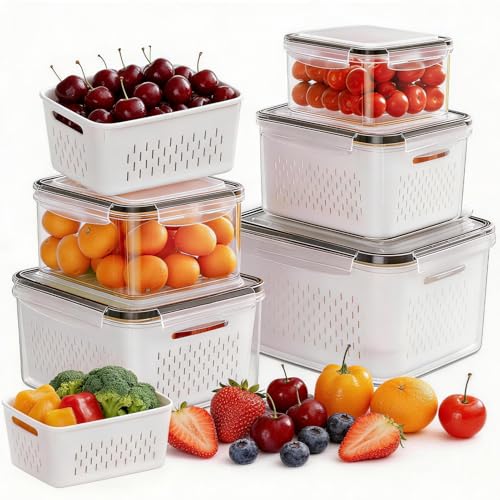
🍓【5 Pack Fruit Storage Set】 More Thicker fruit containers for fridge set include 5 pack of X-Large size 140 OZ(4.15L) + large size 106 OZ (3.15L) + medium size 57 OZ(1.7L) + small size 27 OZ(0.8L) +mini size 13 OZ(0.38L). The produce storage baskets are combined soaking, washing, draining and storage functions, makes your life easier. Various capacities can storage perfectly fit for most fruits, veggies and other food

【8 Pack Fruit Storage Set】 Fruit storage containers for fridge includes include 8 pack of large size 3.3QT (3.15L) * 2 + medium size 1.8QT(1.7L) * 2 +small size 0.85QT(0.8L) * 2+ mini size 0.4QT(0.38L) * 2. Various capacities perfect for most fruit, vegetable, lettuce, berry, cereal, meat, produce and other food storage
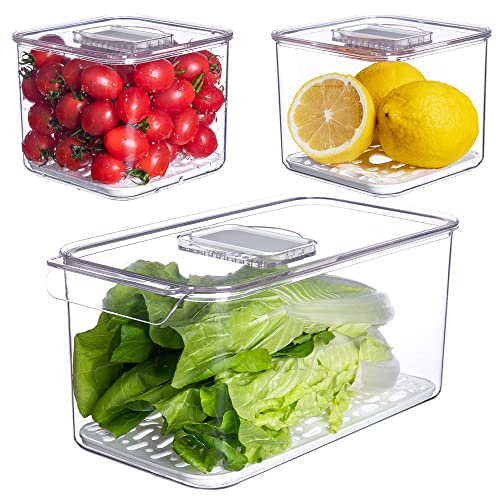
【Keep Fruits & Vegetables Fresh】These storage containers come with lids featuring adjustable vents that regulate airflow and humidity, helping to keep fruits and vegetables fresh in the refrigerator for up to 1–2 weeks.
Best Practices for Handling
- Avoid bruising: Handle lettuce gently to prevent bruising. Squeeze and crush can damage leaves.
- Use clean tools: Always use clean knives and cutting boards when preparing lettuce. This minimizes bacteria transfer.
- Separate damaged leaves: Remove any wilted or damaged leaves right away. This helps prevent the spread of spoilage to healthy leaves.
- Limit exposure to air: Minimize the time lettuce spends outside its packaging. Quickly returning it to the fridge keeps it cool and fresh.
- Keep it cold: Store lettuce in the refrigerator at temperatures below 40°F. This slow down spoilage and maintains crispness.
- Choose perforated bags: Use perforated plastic bags to allow airflow. This reduces moisture buildup and prevents sliminess.
- Line with paper towels: Place paper towels in your storage container. They absorb excess moisture and help keep lettuce dry.
- Store in the crisper drawer: The crisper drawer maintains humidity and is ideal for storing leafy greens.
- Avoid overcrowding: Space out lettuce in the refrigerator to promote air circulation. Overcrowding can lead to faster spoilage.
Implement these tips to extend the life of your lettuce and enjoy fresh salads for days.
Conclusion
With the right care and storage techniques you can enjoy your lettuce long after its harvest date. By keeping it cool and using perforated bags you can extend its freshness and maintain that crisp texture you love.
Don’t forget to check for signs of spoilage regularly. If you notice any wilting or browning it’s best to remove those leaves to keep the rest fresh.
By following these simple tips you can savor delicious salads and wraps for days. Happy munching!
Frequently Asked Questions
How long does lettuce stay fresh in the fridge?
Lettuce can stay fresh in the fridge for varying times depending on the type. Romaine and Iceberg last about 7 to 10 days, Butterhead lasts 5 to 7 days, and Looseleaf typically lasts 3 to 5 days. Proper storage is key to maintaining freshness.
What are the best storage methods for lettuce?
To keep lettuce fresh, store it in the fridge below 40°F. Use perforated bags for ventilation, wrap it in paper towels to keep it dry, and place it in the crisper drawer to maintain humidity. Avoid overcrowding to ensure proper air circulation.
How can I tell if my lettuce has spoiled?
Signs of spoilage include wilting leaves, browning edges, sliminess, and off odors. If you notice these symptoms, it’s best to discard the affected leaves to prevent the spread of deterioration and enjoy fresher greens.
Can I store lettuce if I don’t have a fridge?
Yes! If you lack refrigeration, try the hydration method, root storage, or use an herb keeper. Wrapping lettuce in a damp cloth can also help maintain moisture and freshness in a non-refrigerated environment.
What factors affect the freshness of lettuce?
Freshness is influenced by temperature, humidity, storage methods, harvest time, and handling. Keeping lettuce cold, avoiding bruising, and using proper storage techniques can significantly enhance its shelf life and quality.
