

Have you ever wished you could keep enjoying fresh lettuce without constantly buying new seeds? You’re not alone. Many gardeners face the challenge of maximizing their harvest while minimizing waste. Luckily, there’s a simple solution that allows you to harvest lettuce for regrowth right in your backyard.
Key Takeaways
- Optimal Cutting Techniques: Always cut lettuce above the crown to preserve growing points, allowing for successful regrowth.
- Variety Matters: Choose the right lettuce types for regrowth, such as Romaine and Butterhead, which thrive when harvested properly.
- Watering and Sunlight: Maintain consistent soil moisture and provide 12-14 hours of sunlight daily to support healthy leaf production.
- Regular Monitoring: Check for pests and signs of wilting regularly; early detection helps maintain plant health and encourages growth.
- Nutrient Management: Fertilize lightly every 4-6 weeks with a balanced fertilizer to ensure your lettuce receives the nutrients needed without overwhelming the plant.
- Harvesting Frequency: Harvest lettuce every 1-2 weeks to stimulate continuous growth and enjoy a steady supply of fresh greens.
Understanding Lettuce Regrowth
Lettuce regrowth relies on specific harvesting methods. When you cut lettuce correctly, the plant can produce new leaves. This process occurs through the plant’s growing points, located at the base of the leaves.
Types of Lettuce for Regrowth
- Romaine: This variety regrows well after cutting. With proper care, you can harvest the outer leaves while allowing the inner leaves to continue growing.
- Leaf Lettuce: Leaf lettuces, like Butterhead and Oakleaf, are ideal for regrowth. Harvesting outer leaves encourages new leaves to sprout.
- Butterhead: This type thrives after cutting. Trim the leaves just above the base, and it will continue to grow.
Best Practices for Harvesting Lettuce
- Cut Above the Crown: Always cut the lettuce at least 1 inch above the crown. This technique preserves the growing points for regrowth.
- Use Clean Tools: Sharp, clean scissors or garden shears minimize damage and reduce the risk of disease.
- Harvest in the Morning: Pick lettuce in the morning when temperatures are cooler. This timing ensures crispness and reduces stress on the plant.
Conditions for Successful Regrowth
- Water Regularly: Keep the soil consistently moist but not waterlogged. Proper hydration encourages faster regrowth.
- Provide Adequate Sunlight: Lettuce thrives in 12-14 hours of sunlight daily. Ensure your plants receive enough light to support regrowth.
- Fertilize Lightly: Use a balanced fertilizer sparingly. Too much fertilizer can hinder growth; a light feeding every 4-6 weeks suffices.
- Observe Leaf Growth: Watch for new leaves emerging within 5-10 days after harvesting. Healthy regrowth patterns indicate proper care.
- Check for Pests: Regularly inspect plants for pests, such as aphids and slugs. Early detection helps prevent damage and stress.
By understanding these factors, you can enjoy a continuous supply of fresh lettuce from your garden, optimizing your harvest while minimizing waste.
Best Lettuce Varieties for Regrowth
Choosing the right lettuce varieties encourages regrowth, providing you with a continuous supply of fresh greens. Here are some top options that thrive with proper harvesting techniques.
Bibb Lettuce
Bibb lettuce, known for its tender leaves and sweet flavor, is ideal for regrowth. Harvest the outer leaves while leaving the core intact. This method allows the plant to grow new leaves from its center. Bibb lettuce prefers cool weather and yields best when grown in partial shade. Regularly watering and ensuring good drainage helps maintain its structure, promoting healthy regrowth.
Romaine Lettuce
Romaine lettuce also performs well after cutting, making it a fantastic choice for ongoing harvests. When harvesting, cut above the crown, leaving a couple of inches of the base. This technique stimulates growth from the heart of the plant. Romaine thrives in full sun and benefits from consistent watering. Fertilize lightly to support new leaf development. It’s important to monitor for pests, as they can hinder the regrowth process.
Techniques for Harvesting Lettuce
Harvesting lettuce correctly promotes regrowth and maximizes your yield. Focus on effective cutting methods and the right timing for the best results.
Recommended Products

HERB GARDENING ESSENTIAL: Stainless steel blade plant shears with sheath ideal for harvesting herbs outdoors or with a window herb garden for kitchen; encourages overall lawn and garden health, or perfect gift to go with any indoor herb garden kit
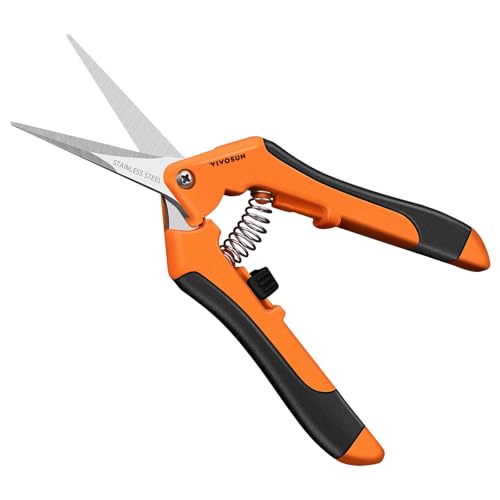
Reduce Hand Strain: These micro tip snips are made to reduces hand fatigue which makes them great for those with arthritis, carpal tunnel, hand or wrist issues; Comfortable “grip” handles will make it easy to work for long-time use without making you feel hand pain

CLEAN CUTS FOR LIVE GROWTH: Bypass blade design is ideal for pruning delicate flower stems and green growth, helping reduce crushing and plant damage while cutting stems and small branches up to 5/8” in diameter
Cutting Methods
- Cut Above the Crown: Always cut just above the crown, where the new leaves grow. This encourages the plant to produce fresh leaves.
- Use Clean Tools: Use sharp, clean scissors or garden shears. Clean tools minimize the risk of disease and damage to the plant.
- Single Leaf Harvesting: If you prefer a slower approach, you can selectively harvest outer leaves. This method allows the center to grow undisturbed.
- Chop and Drop: For a quick harvest, chop the entire head. Leave about an inch of stem above the soil. This promotes robust regrowth.
- Morning Harvest: Harvest your lettuce in the morning. Cooler temperatures preserve the crispness and freshness of the leaves.
- Look for Optimal Size: Wait until your lettuce reaches a suitable size before harvesting. This typically means leaves should be at least 4 to 6 inches long.
- Check for Wilting: Avoid harvesting during hot weather, as dry, wilted leaves lose flavor and texture.
- Regular Intervals: Harvest every 1 to 2 weeks to encourage continuous growth. Consistent harvesting tends to invigorate the plant, leading to abundant leaf production.
Preparing for Regrowth
Preparing for the regrowth of lettuce involves ensuring the plants receive adequate care. Focusing on watering, nutrients, and ideal growth conditions makes a significant difference.
Recommended Products
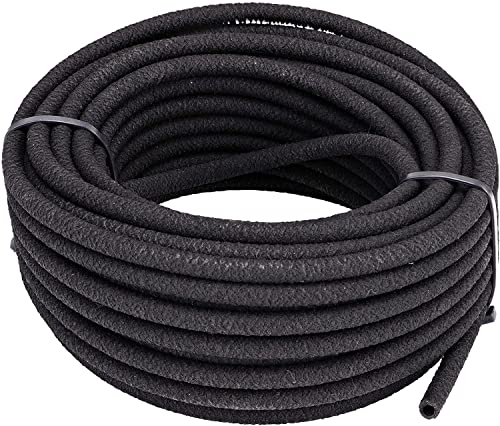
Slowly waters the soil around your plants for complete root zone hydration; Ideal for short runs on flat surfaces, such as vegetable gardens, borders, and around small plants

Works like soaker hose only better because it doesn’t clog and requires no maintenance

Higher Cost Performance Provide: enough length soaker hoses to get higher cost performance,and our 1/4 " diameter soaker hose set not only include 100 Ft length soaker hose but also include a rich range of accessories for a variety of uses,help you make custom length soaker hoses cheap & easy.
Watering and Nutrient Needs
Water your lettuce regularly to maintain moisture in the soil. Aim for about 1 to 1.5 inches of water per week, adjusting based on rainfall and environmental conditions. Use a drip irrigation system or soaker hose to target the roots directly, minimizing evaporation.
Feed your lettuce lightly with a balanced fertilizer, ideally one with a 5-10-10 NPK ratio. Apply fertilizer every 4 to 6 weeks, as this supports new leaf growth without overwhelming the plant. Always dilute the fertilizer according to package instructions to prevent burning the roots.
Ideal Conditions for Growth
Lettuce thrives in specific conditions. Aim for temperatures between 60°F and 70°F, as extreme heat can cause bolting. Choose a location that receives at least 6 hours of sunlight daily, but in warmer months, partial shade is beneficial.
Monitor your plants for pests like aphids and snails. Regular checks help catch issues early, ensuring your lettuce stays healthy. Consider using row covers or natural repellents to deter pests without harsh chemicals.
Maintaining Healthy Growth Post-Harvest
Maintaining healthy growth after harvesting is essential for encouraging regrowth in your lettuce plants. Follow these specific practices to ensure your plants thrive.
Watering
Water your lettuce consistently. Aim for 1 to 1.5 inches of water each week, either through rainfall or supplemental watering. Check the soil moisture regularly; if the top inch of soil feels dry, it’s time to water.
Nutrient Management
Fertilize your lettuce every 4 to 6 weeks. Use a balanced fertilizer with a 5-10-10 NPK ratio. This ensures your plants receive the necessary nutrients for new leaf development. Apply the fertilizer according to package instructions to avoid over-fertilization, which can harm the plants.
Sunlight and Temperature
Ensure your lettuce receives at least 6 hours of direct sunlight each day. The optimal temperature range is between 60°F and 70°F. If temperatures rise above 75°F, consider providing partial shade, especially during the hottest part of the day.
Pest Monitoring
Check your plants regularly for pests. Look for common offenders like aphids and snails. If you spot any, take action immediately. Use insecticidal soap or introduce beneficial insects, such as ladybugs, to control pest populations.
Harvesting Regularly
Continue regular harvesting every 1 to 2 weeks to stimulate growth. Focus on picking the outer leaves, allowing the inner leaves to grow back. This practice won’t just keep your lettuce fresh but also encourages the plants to produce more foliage.
By adhering to these guidelines, you maintain healthy growth in your lettuce post-harvest, leading to abundant, fresh produce straight from your garden.
Conclusion
Harvesting lettuce for regrowth is a rewarding practice that lets you enjoy fresh greens while minimizing waste. By using the right cutting techniques and caring for your plants properly, you can keep your lettuce thriving.
With a little attention to watering sunlight and nutrients you can create a sustainable cycle of harvests. Regularly checking for pests and maintaining ideal growing conditions will ensure your lettuce stays healthy and productive.
So grab those scissors and get to harvesting. You’ll love the taste of fresh lettuce right from your garden. Happy gardening!
Frequently Asked Questions
How can I encourage regrowth in my lettuce after harvest?
To encourage lettuce regrowth, use proper cutting techniques. Cut above the crown to allow new leaves to sprout from the growing points. Regularly harvest outer leaves and maintain consistent watering and light fertilization to support new growth.
What types of lettuce are best for regrowth?
The best types of lettuce for regrowth include Romaine, Leaf Lettuce, and Butterhead. Bibb and Romaine lettuce are particularly recommended due to their ability to regenerate when properly harvested and cared for.
What are the ideal conditions for lettuce regrowth?
Lettuce thrives in temperatures between 60°F and 70°F, requiring at least 6 hours of sunlight daily. Regular watering (1 to 1.5 inches per week) and light fertilization every 4 to 6 weeks are also essential for successful regrowth.
When is the best time to harvest lettuce?
The best time to harvest lettuce is in the morning when temperatures are cooler, and the leaves are crisp and fresh. Wait until they are 4 to 6 inches long to ensure optimal flavor and texture.
How often should I harvest my lettuce for the best results?
For optimal results, harvest your lettuce every 1 to 2 weeks. Regular harvesting invigorates the plant, promoting abundant new leaf production and extending the harvest period.
What should I monitor to ensure healthy lettuce growth?
Keep an eye on watering levels, nutrient management, sunlight exposure, and pest activity. Monitoring for pests such as aphids and snails is crucial to maintain healthy growth and to maximize your lettuce harvest.
