

Ever wondered how to get the freshest greens straight from your garden? Cutting a lettuce plant might seem tricky, but it’s easier than you think. Whether you’re growing your own or picking up a head from the store, knowing the right way to cut can make all the difference in flavor and longevity.
Key Takeaways
- Understand Lettuce Varieties: Distinguish between leaf lettuce and head lettuce, as their cutting methods and regrowth techniques differ significantly for optimal use.
- Use the Right Tools: Equip yourself with a sharp knife or clean scissors and a sturdy cutting board to ensure clean cuts and maintain the freshness of your lettuce.
- Proper Cutting Techniques: For leaf lettuce, cut the outer leaves to promote regrowth, while for head lettuce, slice the entire head from the base to maintain its structure.
- Ensure Freshness: Store cut lettuce in perforated plastic bags in the refrigerator’s crisper drawer to maintain humidity and extend shelf life, avoiding moisture buildup.
- Harvest Wisely: Timing is crucial for harvesting lettuce; early morning or late afternoon is ideal to retain moisture and flavor, enhancing the overall taste of your greens.
Understanding Lettuce Types
Knowing the different types of lettuce helps you cut them properly for optimal use and enjoyment. Two main categories to focus on are leaf lettuce and head lettuce.
Leaf Lettuce
Leaf lettuce features loose, tender leaves that grow directly from the base. Varieties include romaine, butterhead, and oak leaf lettuce. Each type offers its unique texture and flavor profile. When cutting leaf lettuce, you typically harvest outer leaves, allowing the inner leaves to continue growing. This method promotes regrowth and provides fresh greens over time. Use a sharp knife or scissors for a clean cut, ensuring minimal damage to the plant.
Head Lettuce
Head lettuce, such as iceberg and butter lettuce, forms tight heads. The cutting approach differs slightly compared to leaf lettuce. For head lettuce, cut the entire head from the base with a sharp knife. Be cautious not to bruise the leaves, as this may affect taste and shelf life. After cutting, rinse the leaves gently to remove dirt and any pests. Store the cut head in perforated plastic bags in the refrigerator for maximum freshness.
Tools Needed for Cutting Lettuce
To cut lettuce efficiently, gather a few essential tools. Having the right equipment makes the task easier and ensures the freshest leaves.
Recommended Products

Skip the Knife & Board: This tomato cutter handles cheese, herbs & soft foods (not grapes or berries). Blades of these 2 in 1 kitchen scissors with cutting board do not sit flush against the board

Cuts Right Over the Pan: These food scissors slice cucumbers, peppers, green onions and herbs without a board. A vegetable scissors food cutter that doubles as fruit and soft cheese scissors
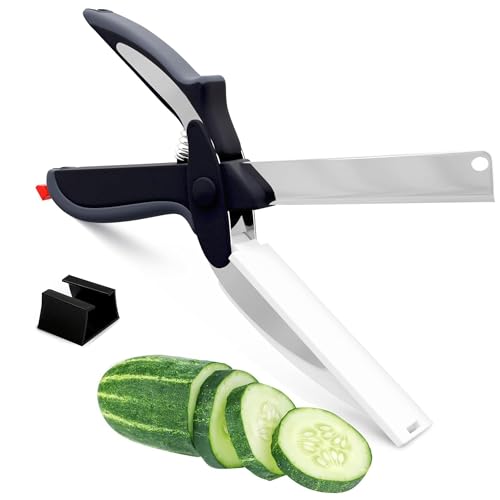
Versatile Design: Combines sharp vegetable scissors food cutter with a cutting board into a convenient scissor cutting board knife, suitable for chopping fruits, vegetables, meat, fish, and more with ease.
Sharp Knife or Scissors
Using a sharp knife or clean scissors is crucial for cutting lettuce. A sharp knife reduces tearing, preserving the cell structure and extending freshness. Scissors, on the other hand, provide precision with minimal effort. Choose either option based on personal comfort and the type of lettuce you’re cutting. For head lettuce, a knife works best, while scissors excel at snipping outer leaves from romaine or butterhead varieties.
Cutting Board
A sturdy cutting board offers a stable surface for cutting lettuce. Opt for a clean, non-porous board to prevent contamination. Plastic boards are easy to sanitize, while wooden boards add durability. Ensure the board is large enough to accommodate the entire head of lettuce, making the cutting process smoother. A well-maintained cutting board aids in maintaining hygiene and protects your knife’s edge.
Techniques for Cutting a Lettuce Plant
Cutting lettuce properly ensures freshness and encourages further growth. Here are specific techniques for different types of lettuce.
Harvesting Leaf Lettuce
- Use scissors or a sharp knife to avoid damaging the plant.
- Cut the outer leaves first, about an inch from the base, allowing the inner leaves to continue growing.
- Ensure that you leave at least a few leaves on the plant so it can regenerate.
- Harvest in the morning when the leaves are crisp and full of water for the best taste.
- Grab a sharp knife to make a clean cut.
- Cut the entire head from the base, slicing through the stem at an angle.
- Use a cutting board for stability, placing the lettuce flat to prevent slipping during cutting.
- Rinse the cut head under cold water to remove dirt, then store it in a perforated plastic bag in the refrigerator to maintain freshness.
Making these cuts with attention to detail ensures your lettuce stays flavorful and crisp longer.
Tips for Maintaining Freshness
Maintaining the freshness of your lettuce plant post-harvest keeps it flavorful and crisp. Follow these tips to ensure optimal storage and longevity of your lettuce.
Recommended Products

- {Great Size} 8"x10"x3" dimensions with gusseted bottom, 8 inches by 10 inches with a gusseted bottom of 3 inches accomodating various sizes and shapes of products. - {Better Materials} Food Grade CPP Film with a higher tear and impact resistance and better cold temperature performance and heat sealing properties. Cast Polypropylene Film (CPP) is more favorable than (BOPP). - {Boxed Set} A set of 200 High Transparency bags with self-seal tape. Comes in a boxed dispenser keeping bags well contained for easy use and storage. - {Micro-perforated Bags} 28-32 hot needled holes per square inch allows for air permeability - for excess moisture to escape the bag. Permitting longer freshness.
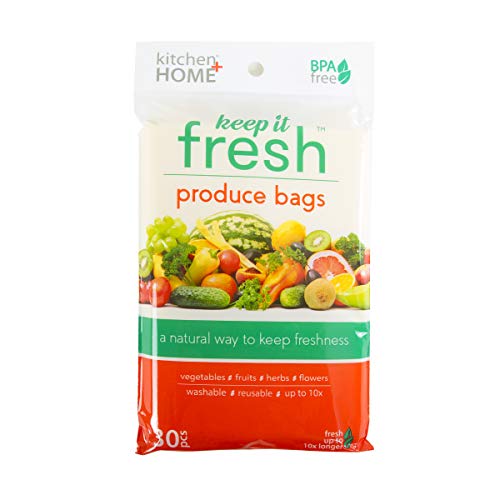
PRESERVE FRESHNESS – As fruits and vegetables ripen they naturally emit ethylene gas which speeds up the natural decomposition process. Keep it Fresh produce bags absorbs this harmful gas and slows down the ripening process, so your produce and flowers stay fresh up to 10 times longer!

PRESERVE FRESHNESS: Our Salad Bag is a kitchen essential that helps keep greens and produce fresher longer. It’s large enough to hold whole lettuce or veggies and keep them crisp for two up to weeks in the fridge
Proper Storage Methods
Store cut lettuce in perforated plastic bags for proper airflow. Avoid tightly sealing the bags, as this traps moisture, leading to quicker spoilage. Place the bags in the refrigerator’s crisper drawer, which typically maintains higher humidity levels suited for leafy vegetables. You can also wrap the lettuce in a clean, dry paper towel before placing it in the bag. This absorbs excess moisture and helps prevent wilting, keeping your lettuce fresh for up to a week.
Timing of Harvest
Harvest your lettuce early in the morning or late in the afternoon. These times ensure cooler temperatures, which retain moisture levels. If possible, harvest before hot weather to prevent wilting. For leaf lettuce, regularly check and pick outer leaves as they mature, allowing inner leaves to continue growing. For head lettuce, cut when the heads feel firm but not overly mature, ensuring optimal flavor and texture. Early harvesting allows for repeated cuts from the same plant, extending your yield and freshness.
Conclusion
Cutting your lettuce plant the right way makes all the difference in keeping it fresh and delicious. By knowing when and how to harvest whether it’s leaf or head lettuce you can enjoy the best flavors in your dishes.
Remember to store your cut lettuce properly to maintain its crispness. With these simple techniques you’ll be able to savor your homegrown lettuce for longer. Happy harvesting and enjoy those tasty salads!
Frequently Asked Questions
How should I cut leaf lettuce for the best results?
To cut leaf lettuce properly, harvest the outer leaves using a sharp knife or scissors. This method allows for regrowth while retaining the freshness and flavor of the inner leaves. Avoid cutting too much at once to ensure continued growth.
What is the right way to cut head lettuce?
For head lettuce, such as iceberg, you should cut it entirely from the base. This technique preserves its taste and texture. Ensure to use a sharp knife for a clean cut, which helps maintain freshness until you’re ready to use it.
How can I store cut lettuce to keep it fresh?
After cutting lettuce, rinse it gently and store it in perforated plastic bags in the refrigerator. This helps maintain airflow and prevents moisture buildup, which can lead to spoilage. Use the crisper drawer for optimal storage conditions.
When is the best time to harvest lettuce?
The ideal times to harvest lettuce are early morning or late afternoon. During these times, the moisture content is higher, which helps preserve the texture and flavor of the greens. This timing also reduces stress on the plants.
What are some tips to keep my lettuce fresh longer?
To keep lettuce fresh longer, store it in perforated plastic bags, avoid excess moisture, and regularly check for wilting leaves. Additionally, consider harvesting outer leaves of leaf lettuce regularly and cut head lettuce when firm but not overly matured.
