

Ever wondered how long it takes to grow your own fresh lettuce? You’re not alone. Many home gardeners dream of plucking crisp, vibrant leaves right from their backyard, but the timeline can be a bit tricky to pin down.
Key Takeaways
- Growth Stages: Lettuce growth comprises distinct phases—germination (7-14 days), seedling (3-4 weeks), and mature leaves—each influencing the overall timeline to harvest.
- Optimal Conditions: For successful growth, lettuce thrives in soil temperatures of 60°F to 65°F, requiring at least six hours of daily sunlight and consistent moisture.
- Soil Quality: Using well-draining, nutrient-rich soil with a pH level of 6.0 to 7.0 is crucial for promoting healthy lettuce growth.
- Temperature Management: Cool weather is ideal for lettuce; temperatures above 75°F may cause bolting, so employing shade can help maintain optimal conditions.
- Types of Lettuce: Understanding different lettuce varieties—leaf lettuce (30-45 days) vs. head lettuce (70-90 days)—can help you select the right plants for your garden.
- Watering Practices: Maintaining consistent moisture without overwatering is essential; aim to water deeply once or twice a week while allowing the top layer of soil to dry.
Understanding Lettuce Growth Stages
Lettuce growth involves distinct stages that affect the overall timeline from planting to harvesting. Understanding these stages helps you plan effectively for a successful harvest.
Germination Phase
Germination starts when you plant lettuce seeds in soil. This phase typically lasts about 7 to 14 days. During this time, seeds absorb moisture, swell, and begin to sprout. Ideal conditions include soil temperatures of 65°F to 75°F. You’ll notice small seedlings emerging once the seeds germinate.
Seedling Phase
The seedling phase follows germination and lasts around 3 to 4 weeks. During this time, seedlings develop their first true leaves, or cotyledons. Providing adequate light, whether natural or artificial, is crucial in this stage. Water the seedlings regularly but avoid overwatering, as excessive moisture can lead to root rot. Once seedlings develop strong leaves, you can thin them out or transplant them to larger spaces for optimal growth.
Factors Affecting Growth Duration
Several factors influence how long it takes to grow lettuce. Understanding these can help you optimize your gardening efforts.
Recommended Products

Comprehensive Winter Protection for Your Garden: Our outdoor plant covers provide complete freeze protection for strawberries, vegetables, tomatoes, fruit trees, citrus plants, shrubs, and potted plants throughout the winter. This frost cloth plant freeze protection shields delicate plants from sudden temperature drops, frost, and strong winds, ensuring they survive harsh winter conditions. Ideal for those looking for frost blankets for outdoor plants and reliable plant freeze protection covers.
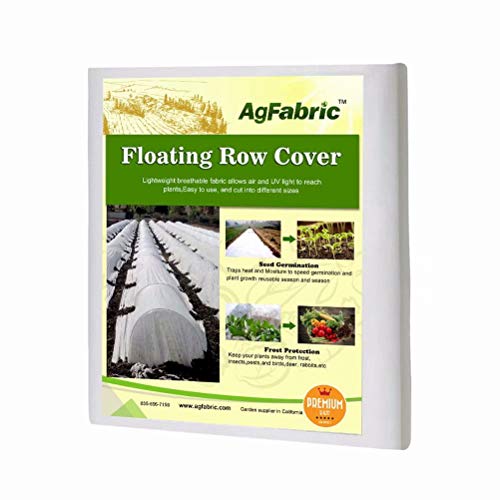
The plant row cover is made of 0.55 oz/sq non-woven polypropylene fabric which is lightweight breathable and durable. It allows air and moisture to reach your vegetables and flowers.

【IMPROVED THICKENED Ultra-Fine Mesh Netting】Ultra Fine Garden Netting has a 0.8mm x 1mm ultra fine mesh, effective protect vegetable plants fruits flowers crops and so on.
Soil Quality
Soil quality plays a critical role in lettuce growth. Use well-draining, nutrient-rich soil to support rapid development. A pH level between 6.0 and 7.0 offers ideal conditions. Incorporate organic matter like compost to improve soil structure. This not only enriches nutrients but also enhances moisture retention. For example, adding two inches of compost to your garden bed boosts soil health significantly.
Temperature and Climate
Temperature and climate also impact growth duration. Lettuce thrives in cool weather, ideally between 60°F and 65°F. High temperatures can cause rapid bolting, which leads to bitter leaves and premature flowering. If temperatures exceed 75°F, consider shading your plants. Using row covers or shade cloth can keep them cooler. For instance, planting during the cooler months or early spring can extend your harvest period.
Different Types of Lettuce
Lettuce comes in various types, each with unique characteristics. Knowing these can help you choose the best variety for your garden and culinary needs.
Recommended Products

USDA Certified Organic by Oregon Tilth
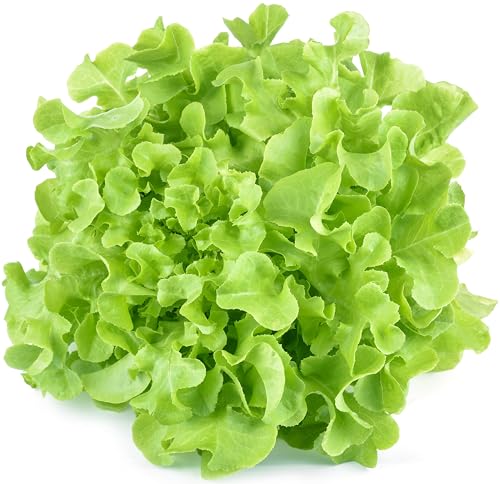
Distinct for its oak-shaped leaves and mild, nutty flavor. Best picked young.

4 Popular Heirloom Lettuce Varieties: Includes Red Romaine, Bibb Butterhead, Black Seeded Simpson, and Green Ice lettuce seeds to grow crisp, tender, and colorful salad greens with balanced flavor, texture, and visual appeal.
Leaf Lettuce
Leaf lettuce is known for its tender, leafy texture. It grows in a loose formation, making it easy to harvest young leaves without uprooting the entire plant. Varieties like Romaine and Butterhead are popular choices. You can expect to harvest leaf lettuce approximately 30 to 45 days after sowing seeds. Regularly picking outer leaves encourages continued growth.
Head Lettuce
Head lettuce forms a tight, compact head, offering a crunchier texture. Varieties like Iceberg and Buttercrunch are widely recognized for their crispiness. Head lettuce generally takes longer to mature, typically around 70 to 90 days from seed to harvest. Ensure adequate spacing to promote airflow, which helps reduce disease risk. When harvesting, cut the head at the base with sharp scissors for a clean cut.
Optimal Conditions for Growing Lettuce
Growing lettuce successfully requires specific conditions to thrive. Providing the right balance of sunlight, water, and soil quality enhances growth and flavor.
Recommended Products

High planting efficiency: Start an indoor herb garden with the Ahopegarden hydroponic growing system, which includes a water reservoir, an overhead LED grow light, and a circulation system that keeps the water fresh. The hydroponic setup and lighting systems allow plants to grow up to faster and healthier in controlled conditions. Simply add plant seeds, water, and nutrients to the reservoir and watch the plants grow

[Max Yield, Mini Footprint] – Grow up to 28 thriving plants in just 2 sq. ft. of space! Our vertical 7-tier design boosts planting density by 3x compared to flat hydroponic systems, making it perfect for tight spaces like apartments, kitchens, or balconies. When the season is over, the modular, stackable design allows you to disassemble and nest the layers easily for compact, hassle-free storage

Avant-garde and modern design: Our smart hydroponics growing system kit merges urban farming innovation with minimalist aesthetics. Crafted from durable ABS, its 17" space-saving profile features an LCD touchscreen for one-touch control, perfect for tech-savvy gardeners or as a unique gift. The integrated full-spectrum panel adapts seamlessly to indoor hydroponics, blending functionality with sleek vertical farming appeal.
Sunlight Requirements
Lettuce prefers full sun, needing at least six hours of direct sunlight daily. In hotter climates, some afternoon shade can prevent bolting. You can achieve this by placing lettuce near taller plants or using shade cloth during peak sun hours. Monitor your plants; if you notice them stretching towards the light, they might need more sun.
Watering Needs
Watering is crucial for lettuce, especially during germination and early growth stages. Aim for consistent moisture in the soil. Water deeply once or twice a week, allowing the top inch to dry out between waterings. Avoid waterlogging, as it can lead to root rot. Use mulch to retain moisture and keep the soil temperature stable. Check the leaves; if they begin to wilt, it’s time to water.
Conclusion
Growing lettuce can be a rewarding experience that brings fresh flavors to your meals. By understanding the growth stages and providing the right conditions you can enjoy a bountiful harvest. Whether you opt for the quick-growing Leaf Lettuce or the more mature Head Lettuce each variety has its unique charm.
Stay attentive to their needs and be proactive about watering and spacing. With a little patience and care you’ll soon find yourself enjoying crisp, homegrown lettuce right from your garden. Happy gardening!
Frequently Asked Questions
What are the stages of lettuce growth?
Lettuce growth consists of several stages: germination, seedling phase, and maturity. Germination typically takes 7 to 14 days, followed by seedling development, which may last 2 to 4 weeks. Maintaining optimal light, water, and temperature throughout these stages is crucial for healthy growth.
How long does it take for lettuce to mature?
Lettuce maturation varies by type. Leaf Lettuce usually matures in 30 to 45 days, while Head Lettuce takes longer, generally between 70 to 90 days. Growth conditions and care can affect these time frames significantly.
What factors influence lettuce growth?
Key factors include light, water, soil quality, and climate conditions. Lettuce requires at least six hours of direct sunlight daily. Consistent moisture and proper soil drainage are essential, as well as preventing high temperatures to avoid bolting.
How do I prevent lettuce from bolting?
To prevent bolting, maintain optimal temperatures and avoid planting in overly hot conditions. Providing adequate water and ensuring sufficient spacing for airflow helps reduce heat stress, which can induce premature flowering.
What is the difference between Leaf Lettuce and Head Lettuce?
Leaf Lettuce has tender leaves and speedy growth, typically ready to harvest in 30 to 45 days. In contrast, Head Lettuce has a crunchy texture and takes longer to mature, generally ready in 70 to 90 days.
What are the best harvesting tips for lettuce?
For Leaf Lettuce, harvest outer leaves regularly to encourage continuous growth. For Head Lettuce, wait until the heads are firm and full before cutting. Always use clean, sharp tools to avoid damaging the plants.
How should I space lettuce plants for optimal growth?
Maintain at least 6 to 12 inches of space between lettuce plants, depending on the variety. Proper spacing allows for airflow, reducing the risk of disease and ensuring adequate light penetration.
How much water does lettuce need?
Lettuce requires consistent moisture. Aim for deep watering at least once a week, depending on climate. Wilting leaves are a clear sign that your plants need more water, so maintain regularly hydrated soil.
What soil is best for growing lettuce?
Lettuce thrives in loose, well-draining soil rich in organic matter. A pH level between 6.0 and 7.0 is ideal. Adding compost or aged manure can improve soil fertility and structure for better growth.
