

Are you eager to grow your own fresh lettuce but unsure when to plant it in Georgia? You’re not alone! Many gardeners face the challenge of timing their planting to get the best harvest. With Georgia’s unique climate, knowing the right time can make a big difference in your lettuce yield.
This article will guide you through the ideal planting times for lettuce in Georgia, helping you avoid common pitfalls. You’ll learn about the best seasons and tips to ensure your lettuce thrives. Whether you’re a seasoned gardener or just starting out, you’ll find valuable insights that will help you enjoy a bountiful lettuce crop.
Key Takeaways
- Optimal Planting Times: Plant lettuce in Georgia during late February to early April for spring crops and late August to early October for fall crops to ensure favorable temperatures and growth conditions.
- Soil Requirements: Use well-drained, fertile loamy soil with a pH between 6.0 and 7.0, enriching it with compost or organic matter to promote healthy plant development.
- Germination and Transplanting: Expect a germination period of 7 to 14 days; transplant seedlings after 4 to 6 weeks, ensuring to harden them off gradually.
- Temperature Management: Target daytime temperatures of 60°F to 70°F and nighttime temperatures of 40°F to 50°F to prevent bolting and bitterness in lettuce.
- Moisture and Fertilization: Maintain consistent soil moisture and consider using balanced fertilizers to boost nutrient availability for thriving lettuce plants.
- Frost Awareness: Keep track of local frost dates to ensure timely planting and harvesting, especially in the fall.
Understanding Lettuce Growth Stages
Lettuce grows through distinct stages. Understanding these stages is key to timing your planting for a successful harvest.
Germination Period
Germination typically takes 7 to 14 days, depending on temperature and moisture. Aim for soil temperatures between 65°F and 75°F for the best results. Overly warm or cold conditions can delay germination. Keep the soil consistently moist but not soggy to aid this process. Monitor your seeds closely. Once they begin to sprout, you’re on your way to a healthy crop.
Transplanting Seedlings
Transplanting occurs about 4 to 6 weeks after sowing seeds or once seedlings reach 2 to 4 inches in height. Focus on choosing a cloudy day or late afternoon for transplanting. This reduces stress on the young plants. Harden off seedlings by gradually introducing them to outdoor conditions over 5 to 7 days before transplanting. Space your seedlings about 12 inches apart to allow for proper growth. Be mindful of the local frost dates to ensure you place your plants at the right time.
Best Timeframes for Planting Lettuce
Timing plays a vital role in ensuring a successful lettuce harvest. In Georgia, spring and fall offer optimal conditions for planting.
Recommended Products

"Mesclun" comes from the Provençal French word meaning "mixture" — this style of mixed salad greens originated in the Nice region of France and became a staple of fine restaurants worldwide before becoming a home garden favorite.

4 Popular Heirloom Lettuce Varieties: Includes Red Romaine, Bibb Butterhead, Black Seeded Simpson, and Green Ice lettuce seeds to grow crisp, tender, and colorful salad greens with balanced flavor, texture, and visual appeal.
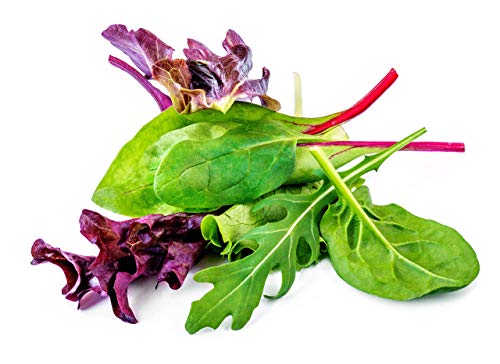
Premium spring mix salad greens - Mesclun lettuce microgreens seeds variety mix with arugula, spinach, swiss chard, endive, kale mustard and lettuces.
Spring Planting
Spring is the ideal season to start planting lettuce in Georgia. Aim for late February to early April for the best results. This timeframe allows you to benefit from cooler temperatures, which are essential for lettuce growth.
- Soil Preparation: Prepare your soil by adding compost to enrich nutrients.
- Seed Sowing: Sow seeds directly in the garden about 1/4 to 1/2 inch deep. Space seeds 12 inches apart, as they need room to spread.
- Transplanting: If you prefer starting indoors, transplant seedlings outdoors when they’re 3 to 4 weeks old. Ensure nighttime temperatures stay above 40°F for successful transplanting.
Fall Planting
Fall also provides an excellent opportunity for lettuce planting. Aim for late August to early October. Cooler fall temperatures promote lettuce growth while avoiding heat stress.
- Variety Selection: Choose heat-resistant varieties that thrive in fall, such as Butterhead or Romaine.
- Soil Moisture: Ensure the soil remains consistently moist. Regular watering helps maintain moisture, especially as summer ends.
- Frost Awareness: Monitor local frost dates. Plan to harvest before fall frosts set in, typically in early November.
Following these guidelines can lead to a bountiful lettuce harvest in both spring and fall.
Climate Considerations in Georgia
Understanding Georgia’s climate is key to successfully planting lettuce. The state’s varying temperatures and humidity levels can significantly impact lettuce growth.
Recommended Products

【EXCELLENT SHADE RATE】The shade cloth for garden resists most sunlight and light and allows fresh air to circulate. It is an ideal protection device for plants and animals.

HIGH YIELD SALAD GREENS - Enjoy generous harvests of tender loose leaves that regrow after cutting; keep picking fresh lettuce all season long for daily salads at home

【High Quality Shade Cloth 】- Our Shade Cloth can resist rays and most sunlight while air can still flow through so as to create a comfortable cool and shaded place for people or plants.
Temperature Requirements
Lettuce thrives in cooler temperatures. Aim for daytime temperatures between 60°F and 70°F during the growing season. Nights should ideally fall between 40°F and 50°F. When temperatures exceed 75°F, lettuce may bolt, leading to bitter leaves. Plant early for spring crops, typically from late February to mid-April. For fall crops, plant from mid-August to late September.
Ideal Weather Conditions
Lettuce prefers consistent moisture and gentle sunshine. Humidity levels between 40% and 70% promote healthy growth. Avoid planting during extremely hot days or heavy rainstorms, as these can stress young plants. Choose locations with partial shade to protect against excessive heat, especially in summer. If you’re unsure about local weather patterns, keep track of forecasts and adjust your planting schedule accordingly.
Soil Preparation for Lettuce
Soil preparation sets the foundation for healthy lettuce growth. Properly preparing your soil ensures optimal conditions for your plants to thrive.
Recommended Products

Feed the soil not the plants - stimulate microbial activity in your soil and boost probability of success with all types of plants… like composting but faster

Includes 10lb block of Back to the Roots compressed Coconut Coir that expands to 51qt of potting soil. A balanced pH, which means it’s truly all-purpose. Use alone or as an amendment for anything in a pot or in the ground — vegetables, flowers, herbs, and even starting seeds.

Nutrient-Rich Organic Compost for Healthy Soil: Support stronger plant growth with this premium organic compost made from dairy cow manure. This all purpose soil amendment helps replenish essential nutrients often depleted after harvests, making it ideal for vegetable gardens, fruit trees, flowers, lawns and container plants.
Soil Type and Quality
Lettuce prefers well-drained, fertile soil. Loamy soil, which combines sand, silt, and clay, provides the best texture and structure. Aim for a pH range between 6.0 and 7.0. You can check the pH with a soil testing kit available at garden centers.
Amend heavy clay or sandy soils with organic matter, such as compost or well-rotted manure. This addition improves drainage and increases nutrient content. For every 100 square feet, add about 2-3 inches of organic material and mix it into the top 6-8 inches of soil.
Fertilization Tips
Fertilizing before planting boosts soil fertility. Use a balanced fertilizer, such as 10-10-10, to provide essential nutrients. Apply it according to package instructions, generally around 1 pound per 100 square feet.
Consider a soil test to determine specific nutrient needs. If your soil lacks nitrogen, opt for a fertilizer higher in nitrogen, like a 24-0-0 formulation.
Incorporate the fertilizer into the soil while preparing the planting bed. For additional nourishment during the season, apply a liquid fertilizer every 2-3 weeks, following the manufacturer’s guidelines.
By ensuring your soil is rich and well-structured, you promote strong, healthy lettuce plants ready for harvest.
Conclusion
Timing’s everything when it comes to planting lettuce in Georgia. By choosing the right moments in spring and fall you can enjoy a bountiful harvest. Remember to prepare your soil well and select the best varieties for your garden.
Don’t forget to keep an eye on those frost dates and maintain moisture levels. With a bit of care and attention your lettuce will thrive and reward you with fresh greens. Happy gardening and enjoy the fruits of your labor!
Frequently Asked Questions
When is the best time to plant lettuce in Georgia?
The optimal time to plant lettuce in Georgia is during early spring and again in fall. Aim for late February to early March for spring planting and late September to early October for fall crops.
What soil conditions are ideal for growing lettuce?
Lettuce thrives in well-drained, fertile soil with a pH level between 6.0 and 7.0. Amending the soil with organic matter and using balanced fertilizers will promote healthy growth.
How can I ensure my lettuce stays moist?
Maintaining soil moisture is crucial for lettuce. Water regularly, especially during dry spells, and consider using mulch to retain moisture while preventing weeds.
What lettuce varieties work best in Georgia?
Choose heat-tolerant varieties for spring and fall plantings. Popular options include Butterhead, Romaine, and Leaf lettuce, as they adapt well to Georgia’s climate.
How do frost dates affect lettuce planting?
Understanding local frost dates is essential for successful lettuce planting. Lettuce can tolerate light frost, but it’s best to plant before the last frost in spring or a few weeks before the first fall frost.
