

Have you ever planted lettuce seeds only to find them crowded together like old friends at a reunion? It’s a common sight in many gardens, but that tight bunching can lead to weak, spindly plants. Thinning out your lettuce seedlings might feel like a tough choice, but it’s essential for their growth.
Key Takeaways
- Thinning is Essential: Properly thinning out lettuce seedlings prevents overcrowding, which leads to weak and spindly plants.
- Recommended Spacing: Aim for 6 to 12 inches between seedlings for optimal growth, allowing for better air circulation and light penetration.
- Timing Matters: Thin seedlings when they reach 2 to 3 inches in height to avoid stressing young plants and damaging their roots.
- Use Correct Techniques: Employ scissors or garden shears for clean cuts, and remove weaker seedlings while leaving the healthiest intact.
- Watch for Disease: Thinning helps prevent overcrowding-related diseases by allowing airflow, which is crucial for healthy growth.
- Avoid Common Mistakes: Be cautious of thinning too early or over-thinning, as both can hinder the growth and overall health of your lettuce plants.
Understanding Lettuce Seedlings
Lettuce seedlings are the young plants that emerge from sown seeds. They require specific care to thrive and grow into robust lettuce heads.
What Are Lettuce Seedlings?
Lettuce seedlings are tiny plants that sprout from lettuce seeds. They typically range from 1 to 3 inches tall and feature delicate leaves. You can expect them to appear within 7 to 14 days after planting, depending on the variety and conditions. Popular varieties include romaine, butterhead, and leaf lettuce. Since they grow quickly, managing their spacing becomes important to prevent overcrowding, which can lead to weakened plants.
Importance of Thinning
Thinning out lettuce seedlings is crucial for their overall health. You should aim for a spacing of 6 to 12 inches between seedlings to allow proper air circulation and light penetration. Thinning helps prevent competition for resources, which can result in stronger, more flavorful lettuce. To thin, gently remove the weaker seedlings, leaving the healthiest ones intact. This practice promotes the growth of robust heads and reduces the risk of disease and pests.
Reasons to Thin Out Lettuce Seedlings
Thinning out lettuce seedlings promotes healthy growth and prevents various issues. Here are the key reasons for this necessary practice.
Recommended Products

🌱Durable Material: The whole body of the plant transplanting tongs is made of high-quality stainless steel, easy to clean and does not rust, very durable.

BUILT TO LAST A LIFETIME WITH FULL STAINLESS STEEL: Crafted from a single piece of high-quality, rust-resistant stainless steel. Unlike tools with weak wooden handles, the Gardmate hand dibber is built for a lifetime of use, bending and wear in all weather conditions.
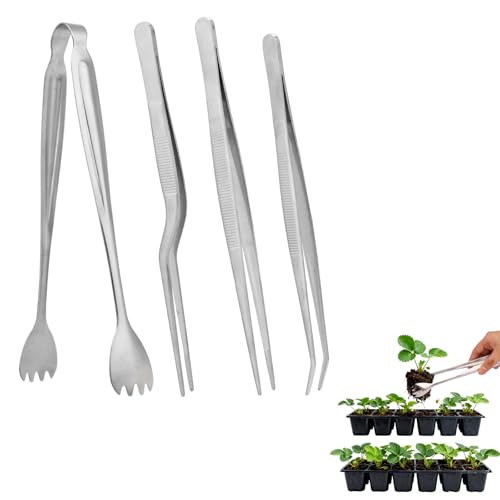
Complete Set: You will receive 1 piece of the seedling transplant tong and 3 pieces of the multi-functional tweezers. Ideal for delicate sowing, transplanting seedlings from seedling trays, and various fine motor tasks in gardening, kitchens, or crafts.
Enhancing Growth
Thinning out promotes optimal growth for each lettuce plant. When seedlings are spaced properly, they gain access to essential resources like sunlight, water, and nutrients. Each seedling benefits from increased airflow, which helps them develop stronger and larger leaves. For example, if you start with a cluster of six seedlings in a square foot, thinning to two or three allows each plant room to thrive, resulting in richer flavors and higher yields.
Preventing Disease
Overcrowded seedlings create a humid environment where diseases can thrive. Mold, mildew, and other fungal infections spread easily among tightly packed plants. By thinning, you reduce the risk of disease and promote better air circulation. For instance, if any of your seedlings show signs of rot or wilting, having adequate space around healthy seedlings prevents the spread of infection. Keeping plants well-spaced minimizes potential threats to your lettuce crop.
How to Thin Out Lettuce Seedlings
Thinning out lettuce seedlings helps you achieve robust and flavorful plants. This section offers guidance on the right timing and techniques for thinning your seedlings effectively.
Recommended Products

Premium Material - Made from 100% Japanese stainless steel hair thinning scissor with precise thinning blades and hand-sharpened thinning edges to evenly trim hair with ease.

6.5 Inches Professional hair thinning scissors for family use.

Superior Quality - ULG hair scissors are made of 100% Japanese stainless steel, with hand-sharpened thinning edges/razor edges to evenly trim hair with ease, will not damage or split hair ends. (Please note that these are right-handed scissors)
Identifying the Right Time
Look for specific indicators to determine the right time to thin out your lettuce seedlings. When seedlings reach 2 to 3 inches in height, it’s usually time to assess their spacing. Check for overcrowding—seedlings should be at least 4 to 6 inches apart. If they look like they’re competing for light or resources, thinning becomes essential. Additionally, perform thinning on cloudy days or in the early morning to reduce stress on the plants.
Thinning Techniques
Use simple techniques to thin out your lettuce seedlings properly. Follow these steps:
- Gather Your Tools: Use scissors or garden shears for a clean cut. Avoid pulling out seedlings, as this can disturb the roots of neighboring plants.
- Select Seedlings to Thin: Choose weaker or smaller seedlings to remove. Leave the healthiest ones, spaced adequately for optimal growth.
- Make Carefully Managed Cuts: Cut the selected seedlings at the soil line. Ensure you don’t damage nearby roots.
- Dispose of Thinned Seedlings: Dispose of or compost thinned seedlings immediately to prevent attracting pests or diseases.
- Monitor Remaining Plants: After thinning, check the remaining seedlings regularly. Keep an eye out for any signs of disease or nutrient deficiency.
Implement these techniques to promote better air circulation, light exposure, and overall health for your lettuce plants.
Common Mistakes to Avoid
Avoiding mistakes while thinning lettuce seedlings ensures healthy growth and robust plants. Keep these common pitfalls in mind:
Thinning Too Early
Thinning too early can damage young seedlings. Wait until seedlings reach 2 to 3 inches in height before you thin. At this stage, they’ve developed enough roots to recover from the process. Thinning too soon can lead to stunted growth and weak plants. It’s tempting to thin at the first sign of overcrowding, but patience pays off.
Over-Thinning
Over-thinning creates gaps in your garden and can stress the remaining seedlings. Aim for a spacing of 4 to 6 inches apart between the plants. When you remove too many seedlings, you deprive your lettuce of the density needed for proper growth. Balance the number of seedlings based on the available space. Monitor the remaining plants to ensure they maintain proper spacing for optimal health.
Conclusion
Thinning out your lettuce seedlings is a simple yet vital step in ensuring a bountiful harvest. By giving each plant the space it needs to thrive you’re setting the stage for robust growth and delicious leaves. Remember to keep an eye on your seedlings and adjust as necessary to maintain that perfect balance.
With just a little effort you can enjoy healthier plants and a more fruitful garden. Happy gardening and enjoy the fresh, crisp lettuce you’ll soon be harvesting!
Frequently Asked Questions
What is the importance of thinning lettuce seedlings?
Thinning lettuce seedlings is crucial for promoting healthy growth. It prevents overcrowding, ensuring that each plant has enough space, light, and nutrients to thrive. Proper spacing can lead to better air circulation and minimizes the risk of disease.
When should I thin out my lettuce seedlings?
You should thin out your lettuce seedlings when they are 2 to 3 inches tall. This timing helps to ensure that the remaining seedlings have enough room to grow without competing with each other for resources.
How far apart should I space lettuce seedlings?
After thinning, the remaining lettuce seedlings should be spaced at least 4 to 6 inches apart. This distance allows for optimal growth, air circulation, and light exposure, ultimately leading to healthier plants.
What tools should I use to thin lettuce seedlings?
Use scissors for thinning out lettuce seedlings to make clean cuts and avoid damaging the roots of remaining seedlings. This tool helps ensure precise removal without introducing stress to the plants.
What mistakes should I avoid when thinning seedlings?
Avoid thinning too early, as this can stunt growth, and over-thinning, which can stress remaining seedlings. It’s important to gauge the available space and monitor for optimal spacing to maintain healthy lettuce plants.
