

Ever wondered how long it takes for those crunchy cucumbers to grow in your backyard? Picture this: you’re eagerly waiting to harvest your homegrown cucumbers, but the waiting game feels like forever. How long does it actually take for those green gems to sprout and be ready for your salad bowl?
Factors Affecting Cucumber Growth
Growing cucumbers may seem straightforward, but several factors influence their growth. Understanding these variables can help you optimize conditions for a successful harvest.
- Temperature: Cucumbers thrive in warm weather, around 70-85°F. Cooler temperatures can slow growth, affecting the time it takes for cucumbers to mature.
- Sunlight: Cucumbers need ample sunlight, ideally 6-8 hours a day. Insufficient sunlight may lead to slower growth and smaller fruit.
- Soil Quality: Rich, well-draining soil is crucial for healthy cucumber plants. Ensure the soil is loamy and supplemented with compost for optimal growth.
- Watering: Consistent watering is essential for cucumber plants, especially during hot weather. Aim to keep the soil consistently moist but not waterlogged.
- Spacing: Proper spacing between cucumber plants is vital. They should be planted at least 12-24 inches apart to allow for adequate air circulation and sunlight exposure.
- Support: Consider providing support for your cucumber plants. Options include trellises or cages to encourage vertical growth, prevent fruit rot, and make harvesting easier.
- Pests and Diseases: Keep an eye out for common cucumber pests like aphids and diseases like powdery mildew. Regular inspection and early intervention can help protect your plants.
Understanding these factors and making adjustments as needed can significantly impact the growth and yield of your cucumber plants.
Recommended Products

【Package included】:Crafted from robust hollow steel, this garden stakes features a fade-resistant green plastic coating, offering reliable protection against wind, rain, and rust. This Trellis for Climbing Plants Outdoor comes complete with everything you need to get started: 17pcs metal stakes, 8pcs T shape connect pipe, 2 A-shaped connectors, and a 0.9x1.8meter bird net.
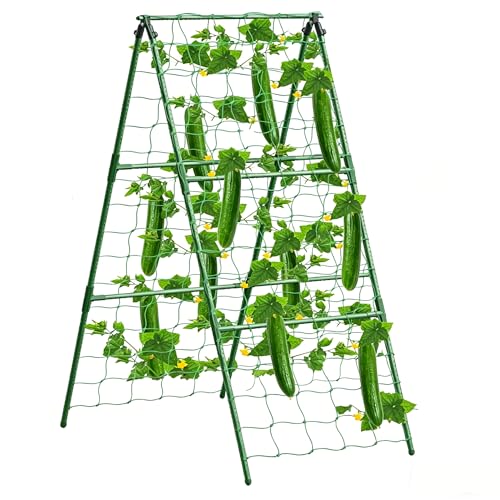
【Package included】:This Trellis for Climbing Plants Outdoor comes complete with everything you need to get started: 17pcs metal stakes, 8pcs T shape connect pipe, 2 A-shaped connectors, and a 0.9x1.8meter plant net.

【Multi-Function】 Tall Tomato Cage-Each tomato cage can be adjusted from 16inches to 47 inches in height,suit for different growth stages of plants, offering versatile supports for a wide variety of tomato plants, ensuring they grow tall and strong.
Germination Period
When you plant cucumber seeds, germination usually takes about 7 to 10 days. During this time, it’s crucial that the soil is consistently moist but not waterlogged. Optimal soil temperature for cucumber germination ranges between 60-95°F. If the soil is too cold, germination may be delayed or inhibited.
You should see the first seedlings emerging from the soil within a week if conditions are right. Be patient as some varieties may take a little longer. Once they sprout, ensure they receive adequate sunlight and are protected from extreme weather conditions.
For successful germination, plant your cucumber seeds at the correct depth. Typically, you should aim for a depth of about 1 inch (2.5 cm) in loose, well-draining soil. Keep the soil consistently moist until the seeds sprout.
Seedling Stage
- Seedling Appearance: Cucumber seedlings typically have two leaves, known as cotyledons, that provide initial nutrition until true leaves start to form.
- Light Requirements: Ensure your seedlings receive at least 6 hours of sunlight daily or use grow lights if natural light is insufficient.
- Watering: Keep the soil damp but not waterlogged to prevent root rot. Check the top inch of soil and water when it feels dry.
- Thinning: If growing multiple seedlings in one container, thin them out to provide adequate space for each plant’s growth.
- Fertilization: Once the true leaves appear, you can start feeding your seedlings with a diluted liquid fertilizer to support healthy growth.
- Temperature: Maintain a warm environment for your seedlings, with temperatures around 70-75°F during the day and slightly cooler at night for optimal growth.
- Be gentle when handling seedlings to avoid damaging their delicate roots.
- Monitor for any signs of pests or diseases and address them promptly.
- Gradually acclimate seedlings to outdoor conditions before transplanting them into the garden.
- Aim to transplant seedlings when they have 3-4 true leaves to ensure they are robust enough for outdoor growth.
| Outdoor Transplant Timing | Indoor Seedling Time Frame |
|---|---|
| Early summer after last frost | 3-4 weeks before the last frost |
Maturation Time
When it comes to cucumber growth, knowing the maturation time is essential for planning and expectations. On average, cucumbers take about 50 to 70 days from planting to harvest, depending on the variety.
- Shorter varieties like pickling cucumbers tend to mature faster than slicing cucumbers, typically around 50 to 60 days.
- Longer varieties may take around 60 to 70 days to reach maturity.
Factors such as temperature, watering, and sunlight exposure can influence the growth rate. Ensuring optimal growing conditions can help speed up the maturation process for your cucumbers.
Recommended Products
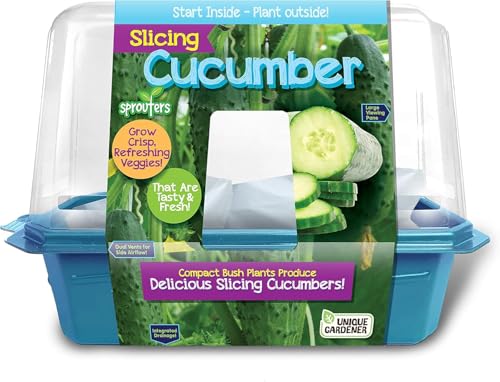
UNMATCHED FRESHNESS AND FLAVOR: Imagine savoring cucumbers straight from your home garden, bursting with flavor and crispness that store-bought veggies just can't match. By growing your cucumbers, you ensure a supply of fresh, and crisp cucumbers not go well with any dish.

Graphene Seed Heat Mat for Faster Germination: Compared to traditional electric heating mats, our graphene heat mat heats up faster and more evenly, with a built-in timer for convenience. It creates the ideal environment for indoor seed starting trays, greenhouse seed germination, and hydroponic plant propagation. Designed for indoor gardening, this waterproof and reusable heat mat accelerates growth and improves seedling survival rates.

Set includes 43 lightly assorted Vegetable and Herb seeds!
Harvesting Cucumbers
When it comes to Harvesting Cucumbers, timing is key. You’ll want to pick them at just the right moment to enjoy their best flavor and texture. Here are some tips to guide you through the process:
- Timing: Cucumbers are ready to be harvested 50 to 70 days after planting, depending on the variety. Look for slicing cucumbers to reach maturity around 60-70 days, while pickling cucumbers may be ready a bit sooner, in about 50-60 days.
- Appearance: A ripe cucumber should have a firm texture, a vibrant green color, and be about 6 to 8 inches in length for slicing cucumbers. For pickling cucumbers, aim for a smaller size, around 3 to 4 inches.
- Harvesting: To pick a cucumber, gently twist it off the vine using your hand. Be careful not to tug forcefully, as this can damage the plant. It’s best to harvest cucumbers in the morning when they are cool and crisp.
- Consistent Harvesting: Check your cucumber plants regularly once they start producing. Harvesting frequently encourages the plant to keep producing more cucumbers throughout the season.
- Storage: Store freshly picked cucumbers in the refrigerator to maintain their crispness and flavor. They can be kept in the crisper drawer for up to one week.
Recommended Products

Better for different produce : You will get 4 sized fridge organizers and 4 matched colanders that could be used in the container or separate. Size from 0.32 L to 2.7 L [ 0.34 - 2.85 qt ]. Suited for berries, fruits, vegetables, meats

5 packs : You will get 5 fridge storage containers with colander size from 300 ml to 4200 ml [10 oz - 148 oz ]. Suited for Most fruits, vegetables, berries, meats.

HARVEST FRESH CUBE - Stop wasting money on produce that rots in your fridge! Harvest Fresh Cube extends the life of fruits and vegetables up to 4 to 6 weeks.
Conclusion
Now that you have a better understanding of when to harvest cucumbers and how to identify their ripeness, you’re well-equipped to enjoy a bountiful harvest. Remember, timing is key for that perfect crunch and flavor. By following the guidelines for harvesting cucumbers at the right time, you can savor the freshest produce from your garden. Keep in mind the differences between slicing and pickling cucumbers in terms of maturity periods. With proper harvesting techniques and consistent picking, you’ll not only enjoy delicious cucumbers but also encourage more growth. So, get ready to pick your cucumbers at their peak and relish the taste of your homegrown bounty!
Frequently Asked Questions
When is the best time to harvest cucumbers?
Harvest slicing cucumbers at 60-70 days after planting and pickling cucumbers at 50-60 days.
What are the characteristics of a ripe cucumber?
Ripe cucumbers are firm, bright green, and have a slightly glossy skin.
How should I harvest cucumbers properly?
Use shears or a knife to cut the cucumber off the vine carefully to avoid damaging the plant.
Why should I harvest cucumbers consistently?
Consistent harvesting promotes more cucumber production and helps maintain plant health.
How should I store freshly picked cucumbers?
Store freshly picked cucumbers in the refrigerator to retain their freshness and quality.
