

Ever wondered how long it takes for those cucumber seeds you planted with such hope to finally sprout? Picture this: you eagerly planted your seeds, watered them diligently, but now you’re left wondering when those first signs of life will emerge.
You’re not alone in this anticipation. Waiting for cucumber seeds to sprout can feel like watching a pot that refuses to boil. But fear not, because in this article, you’ll uncover the secrets behind the sprouting timeline of cucumber seeds.
Understanding Cucumber Seeds
When it comes to understanding cucumber seeds, it’s essential to grasp the basics. Cucumber seeds are typically planted about 1 inch deep in nutrient-rich soil that’s well-draining. These seeds germinate best in warm soil, around 70-85°F. After planting, it’s a waiting game to see those tiny seeds transform into seedlings.
As you wait for your cucumber seeds to sprout, keep in mind that germination can take about 7-14 days. Factors like temperature, moisture, and soil quality play significant roles in this process. During this period, ensure the soil is consistently moist but not waterlogged, as it can hinder germination.
Cucumber seeds are known for their germination rate, which is the percentage of seeds that sprout under ideal conditions. High-quality seeds can have a germination rate of 80% or more. It’s advisable to check the seed packet for specific germination information to set your expectations accordingly.
Cucumber Seedling Development
As your cucumber seeds begin to sprout, you’ll notice tiny seedlings emerging from the soil. These seedlings will develop their first set of true leaves after a few weeks. True leaves are different from the initial cotyledon leaves and are a sign of healthy growth.
During the early stages of development, it’s crucial to provide ample sunlight for your cucumber seedlings. Six to eight hours of sunlight per day is ideal to promote sturdy growth. If natural sunlight is limited, consider using grow lights to supplement their light requirements.
In the following weeks, you’ll witness your cucumber seedlings grow rapidly, establishing a robust root system and developing more leaves. Transplanting them into larger containers or the garden once they outgrow their initial pots is key to ensuring their continued growth and productivity.
By understanding the nuances of cucumber seeds, from planting to sprouting and beyond, you’re well-equipped to nurture your cucumber plants successfully. Remember to be patient and enjoy the journey as you witness the transformation from tiny seeds to flourishing cucumber vines.
Factors Affecting Germination Time
When it comes to germination time for cucumber seeds, several key factors influence how quickly you’ll see those first sprouts popping up in your garden. Understanding these factors can help you optimize conditions for faster and more successful germination:
- Temperature: Cucumber seeds thrive in warm soil, with an ideal range between 70-90°F (21-32°C) for prompt germination. Higher temperatures can speed up the process, so keep that in mind when planting.
- Moisture: Adequate moisture is essential for seeds to germinate. Ensure the soil is consistently damp but not waterlogged. Keeping the soil moist but not soggy is crucial for encouraging seed sprouting.
- Seed Quality: High-quality seeds tend to germinate more quickly and uniformly than older seeds or those of lower quality. Opt for fresh, viable cucumber seeds to boost your chances of a speedy germination process.
- Soil Drainage: Proper drainage is vital for preventing waterlogged conditions that can hinder germination. Ensure you’re planting your cucumber seeds in well-draining soil to promote healthy sprouting.
- Depth of Planting: Planting seeds at the correct depth is crucial for successful germination. Cucumber seeds are typically planted about 1 inch deep in the soil. Planting too shallow or too deep can delay or impede germination.
By paying attention to these crucial factors, you can set the stage for optimal germination conditions and look forward to seeing your cucumber seeds sprout and grow into healthy plants in no time.
Recommended Products

Miracle-Gro Indoor Potting Mix for Seed Starting grows stronger roots for seeding success (vs unfed when used as directed)

CONTAINS: This organic Seed Stating soil mix is a rich blend of sphagnum peat moss & perlite with yucca extract and lime to ensure correct pH.

Includes Back to the Roots Compressed Seed Starting Potting Mix that expands to 12qt of soil. A balanced pH, which means it’s truly all-purpose. Use alone or as an amendment for anything in a pot or in the ground — vegetables, flowers, herbs, and even starting seeds.
Optimal Conditions for Sprouting
To ensure successful germination of your cucumber seeds, there are key factors to consider. Here are the optimal conditions for sprouting:
Recommended Products
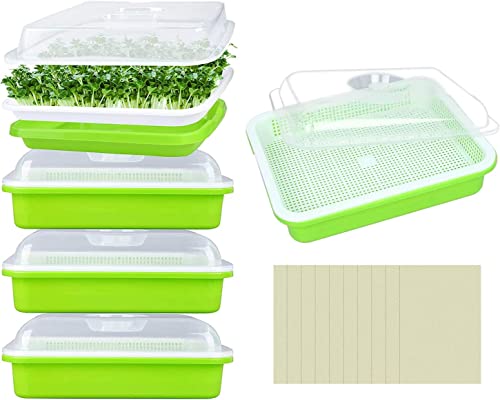
Microgreens Growing Trays: You will receive 5 pcs seed starter tray, comes with 10 planting papers, the size is 12.7 * 10.23 * 4.95 inch, fit for your daily use, help your fruits, veggies and flowers grow better, no need soil, only water you can taste fresh vegetables at home

🥗EASY & HEALTHY SPROUTING AT HOME - Our sprouting kits make it easy to grow a variety of nutritious sprouts at home. Healthy and delicious ingredients for your sandwiches, salads, and soups! Growing sprouts is not only a fun process, but it's also a cheap way to get fresh sprouts! For $29.99 you can have a whole year's worth of sprouts. or even 3 years, 5 years, 10 years.

Premium Material: The stackable seed sprouting kit is made of food-grade stainless steel, ensuring safety, corrosion resistance, and durability. The finely woven mesh allows easy water drainage, prevents seed fall-through, and avoids seed sticking.
Warm Soil Temperatures
- Maintain soil temps between 70-90°F for ideal sprouting.
- Use a soil thermometer to monitor temperature levels.
- Consider using a heating mat to provide consistent warmth.
Adequate Moisture Levels
- Keep soil consistently moist but not waterlogged.
- Use a spray bottle for gentle watering.
- Cover the seed tray with plastic to retain moisture.
High-Quality Seeds
- Choose certified seeds from reputable suppliers.
- Check the seed packet for details on planting and germination.
- Store seeds in a cool, dry place to maintain viability.
Well-Draining Soil
- Use light, loamy soil that drains well.
- Avoid heavy clay soils that can retain excess water.
- Consider adding perlite for improved drainage.
- Plant cucumber seeds 1/2 to 1 inch deep.
- Ensure even spacing between seeds.
- Gently cover seeds with soil mix for adequate contact.
By optimizing these conditions, you can increase the likelihood of prompt and successful sprouting of cucumber seeds.
Signs of Sprouting
So, how long does it take for cucumber seeds to sprout? Well, once you’ve planted your seeds in the carefully prepared soil, you’ll start eagerly watching for signs of life. Here’s what to look for:
- Germination Time: Typically, cucumber seeds sprout within 4 to 10 days after planting, depending on various factors like soil temperature, moisture levels, and seed quality.
- Emerging Seedlings: You’ll first notice tiny stems pushing their way out of the soil. These delicate sprouts are the early indicators that your seeds have started germinating.
- Unfurling Cotyledon Leaves: Shortly after the stems appear, you’ll see the cotyledon leaves unfurling. These are the seed leaves, not the true leaves yet, serving as food factories for the young seedling.
- Development of True Leaves: As the cucumber plant grows, it will start producing its true leaves, which look different from the initial cotyledon leaves. These true leaves are a promising sign of healthy growth.
- Established Root System: While you can’t see it above ground, a well-developed root system is crucial for supporting the plant’s growth. Strong roots are key to nutrient uptake and overall plant health.
- Vibrant Growth: With the right conditions, your cucumber seedlings will exhibit vibrant, healthy growth, with lush green leaves and strong stems reaching towards the light.
- Ready for Transplant: Once your cucumber seedlings have multiple sets of leaves and robust growth, they’ll be ready for transplanting outdoors to continue their journey to maturity.
Keep a close eye on your cucumber seeds as they progress through these stages of sprouting, and you’ll soon be enjoying the bountiful harvest of homegrown cucumbers.
Recommended Products

EASIER SEED STARTING: Our Burpee SuperSeed tray with 16 extra-large flexible pop-out cells is designed to simplify indoor seed starting. Just add seed starting mix, seeds, water and light to get growing! Rows are labeled alphanumerically for seedling identification with included Plant-o-Gram diagram.

Mr. Pen seed starter tray kits come in a pack of 10, each featuring a 12-cell tray to help you grow healthy seedlings for your garden or home planting projects.

Adjustable Vents: The seed trays have adjustable vents that allow you to regulate the temperature and humidity of your seedling environment for total control over the growing process.
Patience is Key
Growing cucumbers from seeds can be exciting, but it requires patience. Cucumber seeds typically sprout within 4 to 10 days, but factors like soil temperature and moisture levels play a crucial role. During this waiting period, it’s essential to maintain consistent moisture in the soil to support germination.
To test if your cucumber seeds are viable, you can perform a germination test by placing a few seeds on a damp paper towel. If they sprout within a few days, they are likely healthy and ready for planting.
During this waiting period, resist the temptation to overwater your seeds as it can lead to rot. Instead, monitor the soil moisture and provide gentle watering when needed. Remember, consistency is key to successful seed germination.
As you practice patience and attentively care for your cucumber seeds, you’ll soon be rewarded with the sight of sprouting seedlings, a promising sign of new growth to come.
Conclusion
With the right conditions and care, cucumber seeds typically sprout within 4 to 10 days. Monitoring soil temperature, moisture levels, and seed quality is key to successful germination. As your seedlings emerge and develop true leaves, ensure they have a strong root system for healthy growth. Once ready, transplant them outdoors for optimal growth. Remember, patience is essential during this process. By maintaining consistent moisture levels and avoiding overwatering, you’ll set the stage for a bountiful cucumber harvest. Conducting a germination test can help determine seed viability, leading to the rewarding sight of sprouting seedlings. Enjoy the journey of nurturing your cucumber plants from seed to harvest!
Frequently Asked Questions
When do cucumber seeds typically sprout?
Cucumber seeds usually sprout within 4 to 10 days after planting, based on optimal conditions like soil temperature, moisture levels, and seed quality.
What are some signs that my cucumber seeds are sprouting?
Look for emerging seedlings from the soil, which will develop into true leaves as the plant grows. A strong root system is crucial for healthy growth of cucumber seedlings.
How can I ensure vibrant growth of my cucumber seedlings?
Maintain favorable conditions such as adequate sunlight, consistent moisture levels, and proper spacing. Avoid overwatering during the germination phase.
When are my cucumber seedlings ready for transplanting outdoors?
Cucumber seedlings are ready for transplanting once they have developed true leaves and are strong enough to withstand outdoor conditions.
How should I care for my cucumber seeds during germination?
Keep the soil consistently moist but not waterlogged. Conduct a germination test to check seed viability. Be patient and monitor growth progress closely.
