

Ever wondered how long it takes for those vibrant beets to sprout from the ground? Picture this: you’ve carefully planted your beet seeds, eagerly waiting for signs of life to emerge. But how soon can you expect those tiny green sprouts to break through the soil and start their journey towards becoming delicious, nutritious beets on your plate?
Factors Affecting Beet Germination Time
When it comes to beet germination time, several factors can influence how long you have to wait to see those sprouts pushing through the soil. Understanding these factors can help you set realistic expectations and ensure a successful germination process.
Soil Temperature:
- Warmer soil speeds up germination, while colder soil slows it down.
- Ideally, you want the soil temperature to be around 50-85°F for optimal germination.
Soil Moisture:
- Adequate moisture is crucial for seeds to germinate.
- Inconsistent watering can lead to irregular germination times.
Seed Quality:
- High-quality seeds have a better chance of quick and uniform germination.
- Improperly stored or old seeds may have lower germination rates, prolonging the process.
Planting Depth:
- Planting seeds at the right depth ensures they receive the right amount of light and moisture for germination.
- Shallow planting can lead to quicker germination compared to seeds buried too deeply.
- Some seeds, including beet seeds, require light to trigger germination.
- Correct light exposure can make a significant difference in how long it takes for your beet seeds to sprout.
Remember, patience is key when waiting for your beet seeds to germinate. By optimizing these factors, you can help speed up the process and increase your chances of a successful germination.
Recommended Products

Function: The loose-fit lid creates a stable, humid environment that promotes fast germination.Easy to open, inspect, and reuse.Reusable seed germination tool
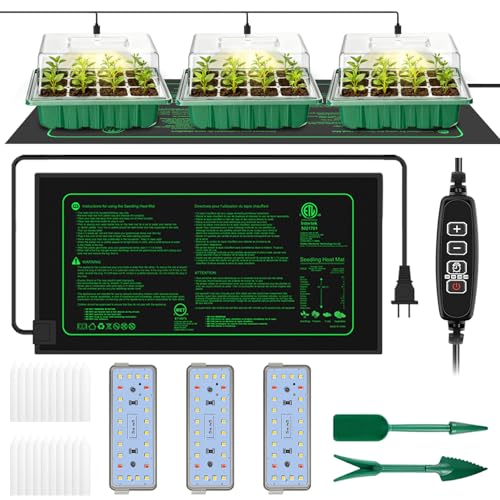
🌱【Most Suitable Temperature】The Durable Seedling Hydroponic Heat Mat provides consistent, uniform heating at temperatures around 70°F to 85°F (24℃ to 30℃), which are the perfect temperatures for seed starting and cutting propagation.High-quality plastic is reusable, recyclable. The seed starter trays are divided into equal 1.96" squares in 1.85" depth for your small or large seeds for flowers, vegetables, fruits, succulents and other plants. It is designed with the proper size holes to allow drainage, while the bottom seedling trays retains overflow water to prevent leaking.

A Smarter Way to Germinate: This soil-free germination kit features a built-in water reservoir that maintains optimal humidity while keeping the seed surfaces clean and dry. It’s perfect for use on your countertop—neat, tidy, and space-saving.
Ideal Conditions for Beet Germination
Maintaining the ideal conditions for beet germination is crucial for ensuring successful and timely sprouting of your seeds. Here are the key factors that you should focus on:
- Soil Temperature: Aim for a soil temperature of around 50-85°F (10-29°C) for optimal beet germination. Cooler temperatures can slow down the process, while excessively high temperatures may hinder germination.
- Moisture Levels: Keep the soil consistently moist but not waterlogged. Adequate moisture is essential for activating the germination process in beet seeds.
- Seed Quality: Use high-quality seeds to improve the chances of successful germination. Check for freshness and viability before planting your beet seeds.
- Planting Depth: Plant your beet seeds at the recommended depth of around half an inch to one inch (1.3-2.5 cm) in well-prepared soil. Proper planting depth ensures that the seeds have access to the necessary moisture and warmth for germination.
- Light Exposure: While some seeds require light to germinate, beet seeds do not need light for sprouting. Keep the planted seeds covered with soil to provide a cozy environment for germination to occur.
By optimizing these conditions, you can create an ideal environment for beet germination and increase the likelihood of a successful outcome. Remember, patience and attention to detail are key to nurturing your beet seeds to sprout effectively.
Recommended Products

READY TO USE MIXTURE - The same formulation as used by professional growers

TOP-RATED NUTRITIONAL HEIRLOOM: Detroit Dark Red is a premium, high-yielding, and stress-resistant beet variety that stands at the pinnacle of root vegetables. This all-season favorite is a mid-early universal cultivar, perfect for consistent home harvests of professional quality.

Size: Round roots, typically 2–3 inches in diameter and weighing 4–8 ounces at maturity.
Steps to Speed Up Beet Germination
- Planting Depth: Keep the planting depth consistent at half to one inch.
- Soil Moisture: Ensure the soil is moist, not waterlogged.
- Soil Temperature: Maintain a soil temperature between 50-85°F (10-29°C).
- Seed Quality: Use high-quality beet seeds for optimal germination.
- Covering Seeds: Cover beet seeds with soil as they do not need light to sprout.
By following these steps, you can enhance the conditions for quicker beet germination.
| Soil Temperature | Moisture Level |
|---|---|
| 50-85°F (10-29°C) | Keep soil moist |
Average Time for Beets to Germinate
Beet seeds, like many other seeds, can take anywhere from 5 to 14 days to germinate under optimal conditions. The average time for beets to germinate tends to be around 7 to 10 days.
Factors that can influence the germination time of beet seeds include temperature, moisture, and soil quality. By maintaining a consistent temperature range of 50-85°F and ensuring adequate moisture in the soil without overwatering, you can help speed up the germination process.
In some cases, early germination can occur as soon as 3 to 5 days after planting, especially if ideal conditions are met. Keep in mind that varieties of beets may also differ slightly in their germination timelines, so it’s essential to check the specifics for the particular type of beets you are planting.
By being patient and providing the right environment, you can expect to see your beet seeds sprouting within a week to 10 days. Remember, consistency is key when it comes to successful germination.
| Average Germination Time: |
|---|
| 5-14 days |
| Average: 7-10 days |
| Early germination: 3-5 days |
Monitoring Beet Germination Progress
Monitoring your beet seeds’ progress is an exciting part of the gardening journey. Here are some tips to help you keep track effectively:
- Daily Check-ins: Make it a habit to inspect your seeds every day.
- Note Changes: Take quick notes on any changes you observe.
- Patience is Key: Remember, germination can take 7 to 10 days.
- Moisture Levels: Ensure your soil stays lightly moist but not waterlogged.
- Temperature: Keep the environment consistent and at the optimal range.
By following these steps, you’ll be better equipped to monitor and guide your beet seeds through the germination process successfully.
Next Steps for Healthy Growth
Once your beet seeds have sprouted, there are essential steps to take to ensure their healthy growth. Here’s what you should focus on:
- Provide Adequate Sunlight: Opt for a location with full sun exposure.
- Thin Seedlings: When they have a few true leaves, thin them to ensure proper spacing.
- Watering: Maintain consistent soil moisture to support healthy growth.
- Fertilize: Consider applying fertilizer after the seedlings establish.
Following these steps will set a strong foundation for your beet plants to thrive and produce vibrant, tasty beets in your garden.
Conclusion
Now that you’ve learned about monitoring beet germination and nurturing your seedlings, you’re well on your way to enjoying a bountiful beet harvest. Remember to stay attentive to changes, maintain optimal conditions, and provide the necessary care for your beets to thrive. With a little patience and dedication, you’ll soon be savoring the delicious rewards of your efforts in the garden. Happy gardening!
Frequently Asked Questions
How often should I check the beet seeds for germination progress?
It is recommended to check the beet seeds for germination progress daily to monitor any changes and ensure optimal conditions for growth.
What should I do once the beet seeds have sprouted?
After the beet seeds have sprouted, ensure they receive adequate sunlight, thin out seedlings to prevent overcrowding, water consistently, and apply fertilizer for healthy and flavorful beets.
How can I ensure healthy growth of my beet plants?
To promote healthy growth of beet plants, maintain proper moisture levels, monitor temperature consistency, provide ample sunshine, thin seedlings as needed, water consistently, and fertilize accordingly.
