

Ever wondered why your carrot patch turns into a crowded vegetable party? Picture this: you’ve diligently planted your carrots, but now they’re packed tighter than a rush-hour subway. How much should you thin them out to give each carrot room to grow and thrive?
In this article, you’ll uncover the secrets to thinning carrots like a pro. You’ll learn the optimal spacing for your carrot babies and why it’s crucial for their development. By the end, you’ll be equipped with the knowledge to ensure your carrots reach their full potential, promising a bountiful harvest that’ll make your gardening heart sing.
Importance of Thinning Carrots
Thinning carrots is a critical step in ensuring a successful harvest. Here’s why:
- Nutrient Distribution: Thinning allows each carrot plant to access the nutrients in the soil without competition.
- Sunlight Exposure: Proper spacing through thinning ensures that each carrot receives adequate sunlight for photosynthesis.
- Air Circulation: Thinning promotes better air circulation around the plants, reducing the risk of fungal diseases.
- Root Development: Adequate spacing encourages healthy root growth, resulting in larger and more robust carrots.
Thinning your carrot patch might seem like a chore, but the benefits far outweigh the effort.
When to Thin Carrots
Thinning carrots is a crucial step in your gardening journey. Knowing when to thin carrots is key to ensuring optimal growth and harvest. Here are some essential guidelines to help you determine the right time to thin your carrot patch:
- After Germination: Wait until the carrot seedlings have sprouted and grown a few inches tall.
- Crowded Carrots: Keep an eye out for overcrowded patches, indicated by the closely spaced carrot seedlings.
- First True Leaves: Once the seedlings develop their first set of true leaves, it’s time to start thinning.
- Spacing Requirements: Aim for 1-3 inches of space between each carrot plant to allow room for growth.
Remember, timely thinning sets the stage for robust, healthy carrots.
Recommended Products

30% RECYCLED PLASTIC CONSTRUCTION: Durable tool made from post-consumer recycled plastic, supporting sustainable gardening practices while reducing environmental impact

Serrated blade is 6 in. long with a forked tip

GARDENING ESSENTIAL: Garden weeder ideal for a variety of gardening tasks like removing invasive weeds, maintaining your herb garden, uprooting dandelions and thistles, and more to encourage overall plant health and appearance
How to Properly Thin Carrots
To properly thin carrots, follow these key steps:
- Wait for germination: Once your carrot seeds have sprouted, wait until they develop their first true leaves.
- Identify crowded areas: Look for patches where carrots are too close together.
- Start thinning: It’s time to thin out your carrots. Gently pull out the excess seedlings to create space.
- Space them out: Aim for 1-3 inches of space between each carrot plant for optimal growth.
- Don’t pull too hard: Be gentle to avoid damaging the roots of the remaining seedlings.
Recommended Products

GARDENING ESSENTIAL: Heavy duty, ergonomic hand cultivator with sharp tines ideal for a variety of gardening tasks like digging in tough soil, aerating soil, removing weeds, and more to encourage overall plant health and appearance
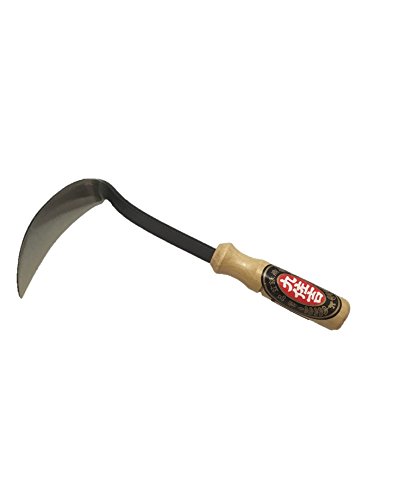
Strong but lightweight Japanese hand hoe

Carbon steel blade and head for heavy duty use
Optimal Carrot Spacing
When thinning carrots, it’s crucial to ensure optimal spacing between each plant. This allows them to develop properly and reach their full potential.
Recommended Products

Get accurate string spacing without the use of complicated tools with this easy-to-use String Spacing Ruler

Model 55120 is for laying bricks in conjunction with concrete blocks as backing
Why is Optimal Spacing Important?
- Prevents Competing: Without enough space, carrots compete for nutrients and water, which can lead to stunted growth and smaller harvests.
- Air Circulation: Proper spacing encourages good air circulation around the plants, reducing the risk of disease and rot.
How Much Space Should You Aim For?
- Aim for 1-3 inches between each carrot plant to give them ample room to grow.
- Remember that crowded plants can lead to deformed or twisted roots as they jostle for space underground.
- Use a ruler or measure to guide your spacing as you thin out the seedlings to ensure consistency across the row.
| Optimal Carrot Spacing | 1-3 inches |
|---|
Remember, giving your carrots enough space from the start sets the foundation for a bountiful harvest later on.
Tips for Successful Carrot Thinning
When it comes to thinning your carrot seedlings, there are a few key tips to keep in mind to ensure your carrots grow healthy and strong. Here are some practical pieces of advice to guide you through the thinning process:
- Timing is Key: Start thinning your carrot seedlings when they reach about 2 inches in height. This stage allows enough room for the remaining plants to thrive and develop properly.
- Handle with Care: Be gentle when thinning out your carrots to avoid damaging the roots of the plants you plan to keep. This delicate process is crucial for the overall health of your crop.
- Thin Gradually: Rather than thinning all your carrot seedlings at once, thin them gradually over several sessions to give each plant ample space to grow without causing sudden stress.
- Know the Ideal Spacing: Aim to space your carrots approximately 1-3 inches apart to allow them enough room to develop without competing for resources. Proper spacing is essential for healthy root growth.
- Consider Succession Planting: To ensure a continuous harvest of fresh carrots, consider succession planting. This involves planting new seeds every few weeks to stagger the growth and extend your harvesting window.
Conclusion
Now that you’ve learned the key strategies for thinning carrots, remember the importance of timing, gentle handling, and spacing. By following these tips, you’ll ensure healthy root development and a bountiful harvest. Consider succession planting to enjoy a continuous supply of fresh carrots throughout the growing season. With these practices in mind, you’re on your way to cultivating a thriving carrot patch. Happy gardening!
Frequently Asked Questions
When should I thin my carrot plants?
Carrot plants should be thinned when they reach about 2 inches in height to allow proper root development.
How should I thin my carrot plants?
Gently pull out extra seedlings to leave one plant every 1-3 inches for optimal spacing.
Why is thinning carrot plants important?
Thinning helps prevent overcrowding, allowing carrots to grow to their full size and shape.
Can I thin my carrot plants gradually?
Yes, thin gradually over a few sessions to reduce the stress on the remaining plants.
What is succession planting?
Succession planting involves planting new carrot seeds every few weeks to ensure a continuous harvest.
